Shopping Cart



How IoT Sensors Are Transforming Facility Management
Discover how IoT sensors improve facility management through predictive maintenance, energy optimization, occupancy monitoring, and real-time operational insights.
By Blue Edge Team | Jun 09, 2026
How IoT Sensors Are Transforming Facility Management
Quick answer: IoT sensors transform facility management by delivering real-time data on equipment, energy use, occupancy, and air quality. This data enables predictive maintenance, lower operating costs, and smarter space planning. Facilities that adopt IoT sensors reduce reactive repairs, improve occupant comfort, and extend the lifespan of critical building assets.
Facility management has moved beyond manual inspections and scheduled maintenance checklists. Today, connected sensors collect continuous data from across a building, giving facility managers a precise, real-time view of operations. This shift helps teams act before problems escalate, control costs, and create safer, more comfortable environments for occupants.
This post explains how IoT sensors work within facility management, the core areas they impact, and the practical benefits they deliver. You will also find clear guidance on where to start and what to consider before deploying a sensor network.
What Are IoT Sensors in Facility Management?
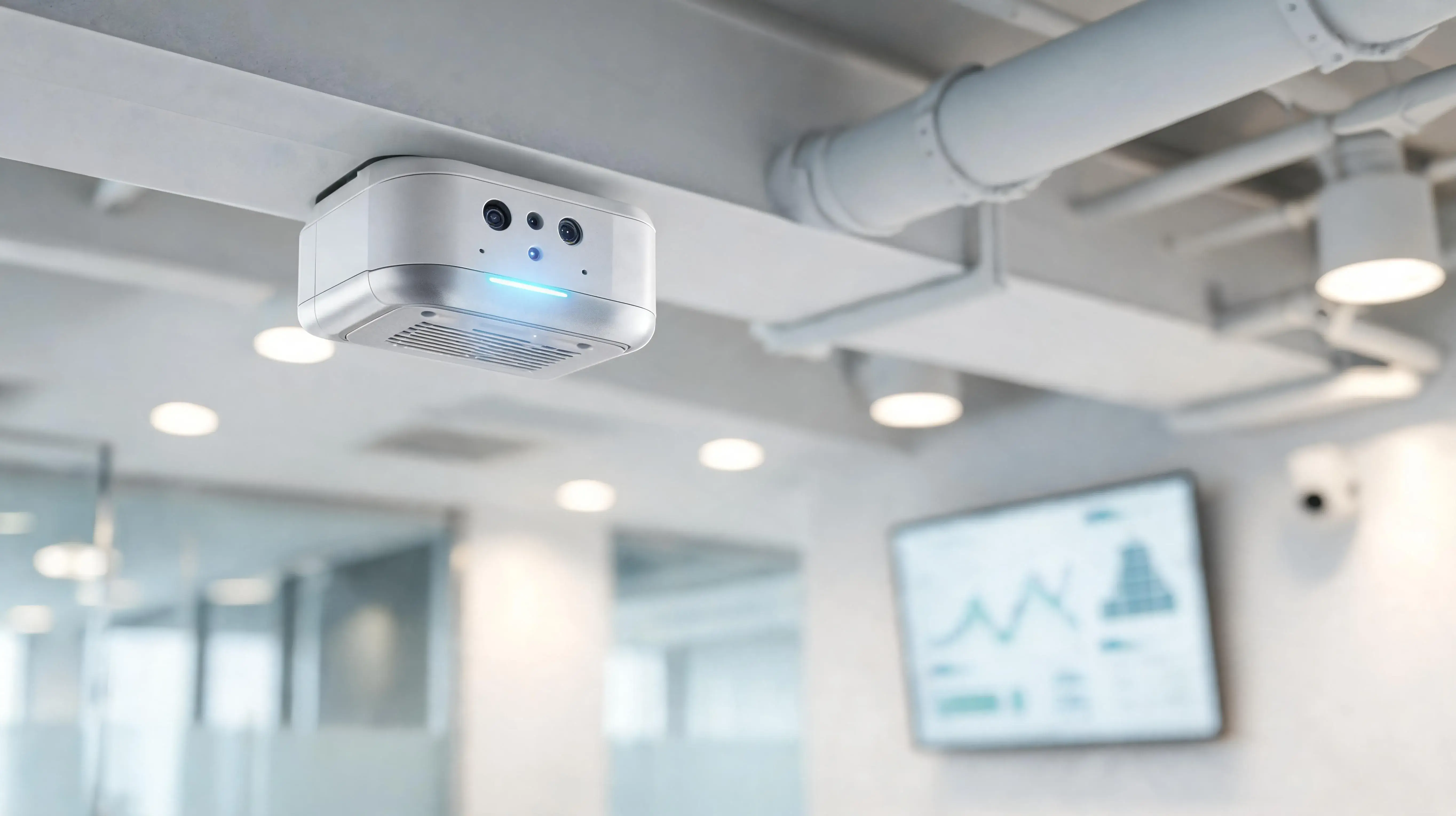
IoT (Internet of Things) sensors are small, connected devices that monitor physical conditions and transmit data to a central platform. In a facility, these sensors track variables such as temperature, humidity, energy consumption, occupancy, vibration, and air quality.
Each sensor reports continuously, creating a live data stream that facility managers can analyze through a dashboard. Instead of waiting for a complaint or a breakdown, managers receive alerts the moment a metric falls outside its acceptable range.
How Do IoT Sensors Improve Facility Operations?
IoT sensors strengthen facility management across several measurable areas:
- Predictive maintenance: Vibration and temperature sensors detect early signs of equipment failure, allowing repairs before a breakdown occurs.
- Energy efficiency: Occupancy and energy sensors adjust lighting, heating, and cooling based on real usage, reducing waste.
- Space optimization: Occupancy sensors reveal how rooms and floors are actually used, supporting smarter space planning.
- Air quality monitoring: Sensors track CO2, humidity, and particulates to maintain healthy indoor environments.
- Asset tracking: Connected tags monitor the location and status of critical equipment.
Each of these functions reduces manual effort and replaces guesswork with verified data.
Why Does Predictive Maintenance Matter?
Predictive maintenance is one of the most valuable applications of IoT in facility management. Traditional maintenance follows fixed schedules or responds only after equipment fails. Both approaches carry costs—unnecessary servicing in one case, and emergency repairs in the other.
IoT sensors solve this by monitoring equipment health in real time. A motor showing abnormal vibration or a chiller running hotter than normal triggers an alert. Maintenance teams then intervene at the right moment, which lowers repair costs and prevents unplanned downtime.
Choose predictive maintenance if minimizing downtime and extending asset life matter more than maintaining a fixed servicing routine.
How Do IoT Sensors Reduce Energy Costs?
Energy is one of the largest operating expenses in any facility. IoT sensors reduce this cost by aligning energy use with actual demand.
- Occupancy-based control: Lighting and HVAC adjust automatically when spaces are empty.
- Real-time consumption tracking: Managers identify energy spikes and inefficient equipment quickly.
- Automated scheduling: Systems run only when needed, rather than on rigid timetables.
These measures help facilities cut waste while maintaining comfort for occupants.
What Should You Consider Before Deploying IoT Sensors?
A successful IoT deployment depends on careful planning. Facility managers should evaluate the following factors:
- Clear objectives: Define whether the priority is energy savings, maintenance, or occupant comfort.
- Connectivity: Ensure reliable network coverage across the facility.
- Data security: Protect sensor data with strong cybersecurity measures.
- Scalability: Select a platform that can expand as needs grow.
- Integration: Confirm that sensors work with existing building management systems.
Addressing these factors early prevents costly rework and ensures the system delivers measurable value.
The Future of Smart Facility Management
IoT sensors are becoming a standard component of modern building operations. As adoption grows, facilities gain access to richer data, more accurate predictions, and tighter control over costs and comfort. Managers who invest now position their buildings to operate efficiently and adapt to future demands.
To move forward, start with a focused pilot—choose one priority such as energy monitoring or predictive maintenance, measure the results, and scale from there. Partnering with an experienced technology provider ensures your sensor network is secure, reliable, and built to grow with your facility.
Ready to modernize your facility? Connect with our team to design an IoT sensor solution tailored to your building's needs.
Frequently Asked Questions
-
What is an IoT sensor in facility management?
An IoT sensor is a connected device that monitors conditions such as temperature, occupancy, energy use, and air quality, then transmits that data to a central platform for real-time analysis.
-
How much can IoT sensors save on facility costs?
Savings vary by building, but IoT sensors commonly reduce costs through predictive maintenance, lower energy consumption, and better space utilization. The exact figure depends on facility size, equipment, and how the data is applied.
-
Are IoT sensors difficult to install?
Most modern IoT sensors are designed for straightforward installation, often using wireless connectivity. Complexity depends on facility size and integration requirements with existing systems.
-
Who benefits most from IoT sensors in facilities?
Facility managers, building owners, and operations teams benefit most, especially those managing large or complex buildings where manual monitoring is impractical.
-
Are IoT sensors secure?
IoT sensors can be secure when paired with strong cybersecurity practices, including encrypted data transmission, network segmentation, and regular system updates.