Shopping Cart



How Smart Access Control Integrates With Building Management Systems
Learn how smart access control integrates with building management systems to improve security, automate operations, reduce energy costs, and create smarter buildings.
By Blue Edge Team | Jun 09, 2026
How Smart Access Control Integrates With Building Management
Quick answer: Smart access control integrates with building management systems (BMS) through open protocols, APIs, and IoT connectivity. This integration centralizes security, lighting, HVAC, and energy management into one platform—improving operational efficiency, strengthening security, and reducing costs across the entire building.
Modern buildings demand more than locked doors and security cameras. They require intelligent systems that communicate with one another, share data, and respond automatically to real-time conditions. Smart access control sits at the center of this transformation, connecting directly with building management systems to create safer, smarter, and more efficient facilities.
This blog explains how smart access control integrates with a BMS, the technologies that make it possible, and the measurable benefits this integration delivers to building owners and facility managers.
What Is Smart Access Control?
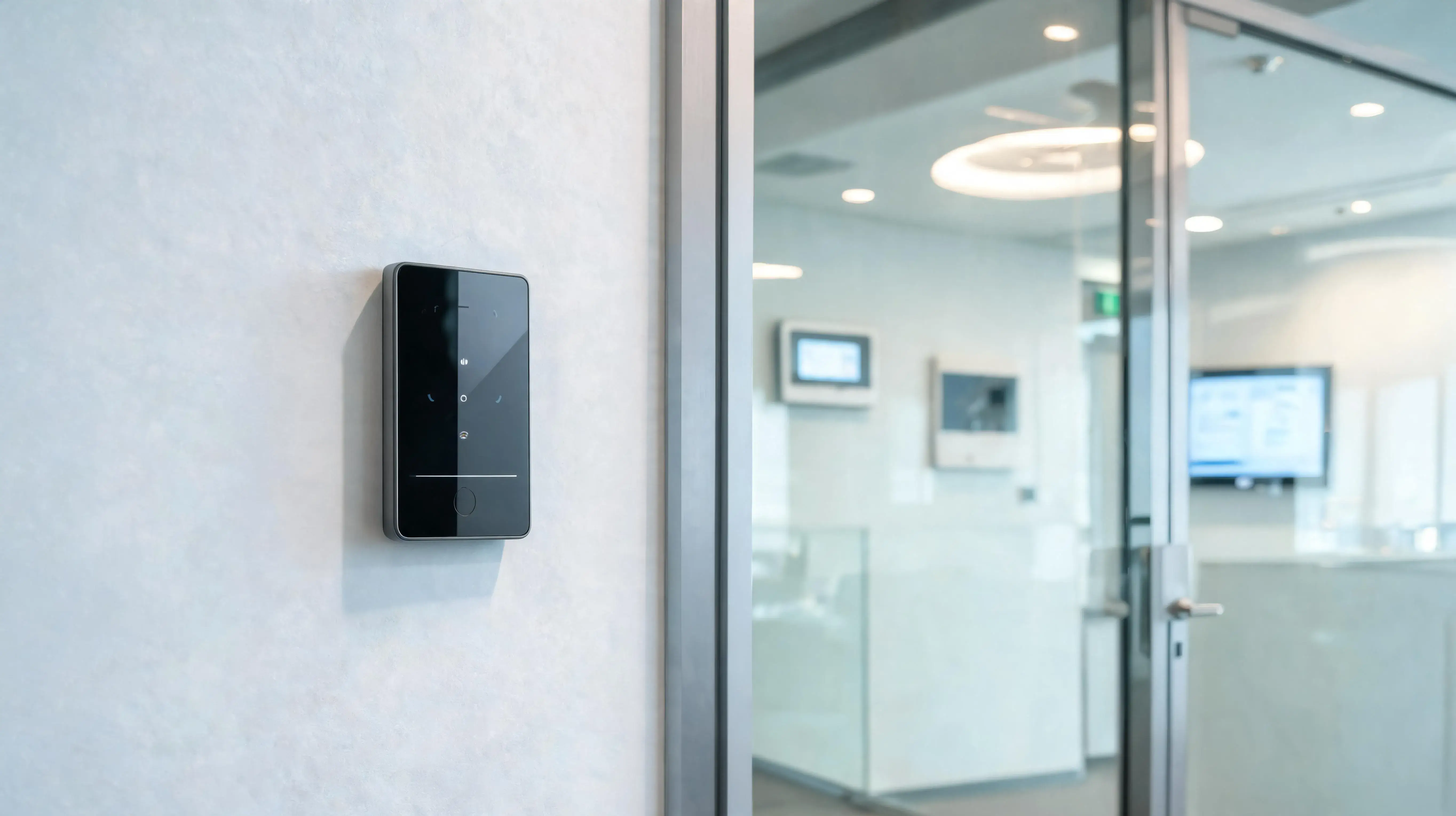
Smart access control is a digital security solution that manages and monitors who can enter specific areas of a building. Unlike traditional lock-and-key systems, it uses electronic credentials and real-time data.
Key components include:
- Credentials: Mobile apps, key cards, PIN codes, and biometric identifiers such as fingerprints or facial recognition.
- Controllers: Devices that process access requests and grant or deny entry.
- Software platform: A central dashboard for managing permissions, schedules, and reports.
- Connectivity: Cloud-based or networked systems that allow remote management.
What Is a Building Management System (BMS)?
A building management system is a centralized platform that controls and monitors a building's core operations. It oversees mechanical, electrical, and security functions from a single interface.
A typical BMS manages:
- HVAC systems for heating, ventilation, and air conditioning.
- Lighting controls for automated and energy-efficient operation.
- Energy monitoring to track and optimize consumption.
- Fire and safety systems for alarms and emergency response.
- Security infrastructure, including surveillance and access control.
How Does Smart Access Control Integrate With a BMS?
Integration connects access control data with the broader building management platform. This allows different systems to share information and act together automatically.
The integration typically works through these methods:
- Open protocols: Standards such as BACnet, Modbus, and ONVIF allow devices from different manufacturers to communicate.
- APIs: Application programming interfaces enable software platforms to exchange data securely.
- IoT connectivity: Internet of Things sensors link physical devices to the central system in real time.
- Cloud platforms: Centralized cloud software unifies management and enables remote access from any location.
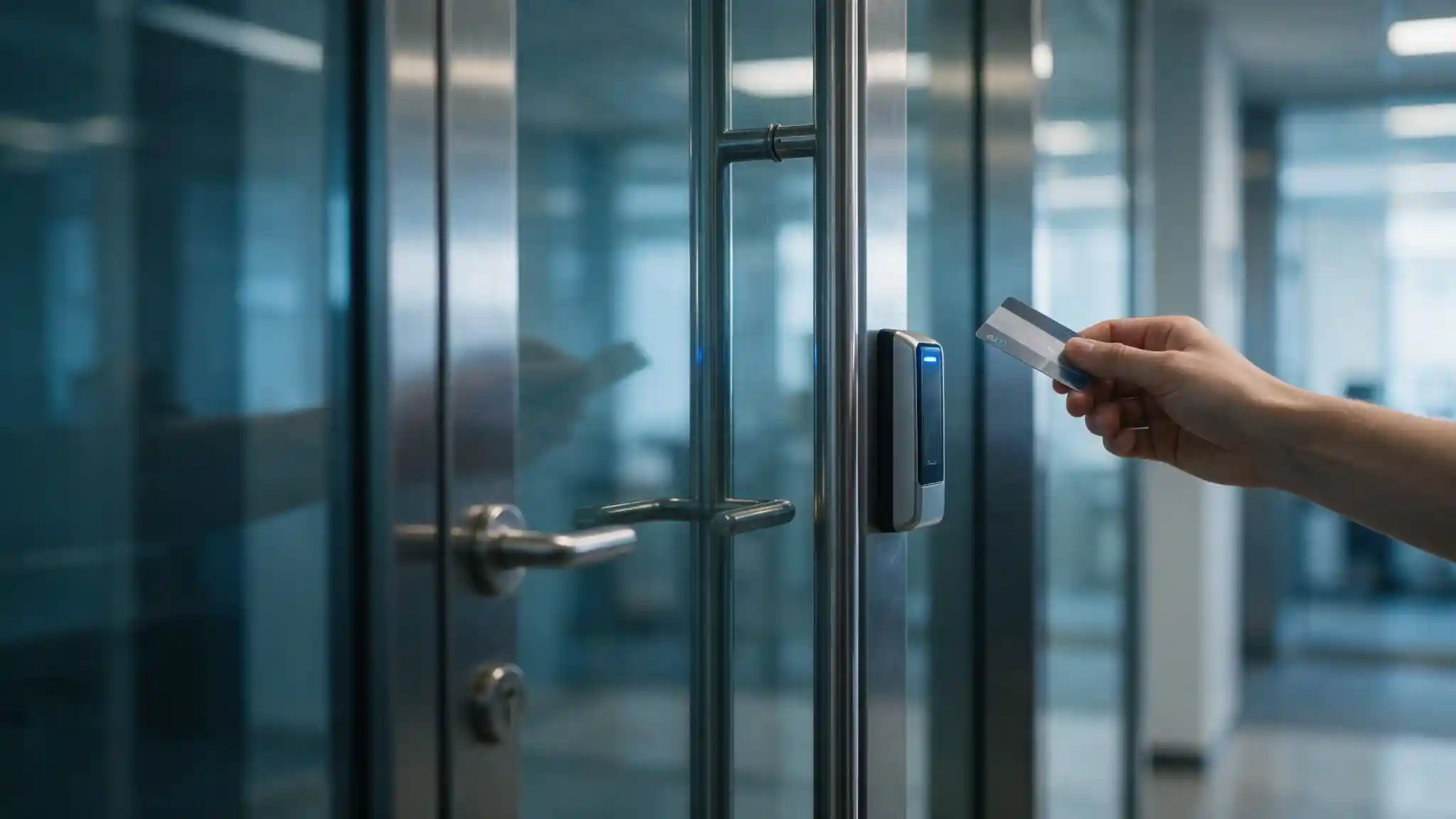
When an employee badges into a building, the access control system can trigger multiple responses. Lights switch on, HVAC adjusts to occupied settings, and entry data is logged automatically.
What Are the Benefits of Integrating Access Control With a BMS?
Combining access control with a building management system delivers measurable operational and security advantages.
Centralized controlFacility managers monitor and manage security, energy, and comfort systems from one dashboard. This reduces complexity and eliminates the need for separate platforms.
Improved energy efficiencyOccupancy data from access control automatically adjusts lighting and HVAC. Empty rooms consume less energy, lowering utility costs.
Stronger securityReal-time access data integrates with surveillance and alarm systems. Unauthorized entry triggers immediate alerts and recorded responses.
Enhanced emergency responseDuring emergencies, integrated systems unlock evacuation routes, activate alarms, and provide occupancy data to first responders.
Data-driven decisionsCombined reporting offers insight into building usage, peak occupancy, and energy patterns—helping managers make informed operational choices.
Which Buildings Benefit Most From This Integration?
Integration suits a wide range of facilities, but some gain more than others.
- Corporate offices benefit from automated comfort settings and centralized security.
- Healthcare facilities require strict access control and continuous monitoring.
- Educational campuses manage multiple buildings and high foot traffic efficiently.
- Industrial sites protect restricted zones while optimizing energy use.
- Multi-tenant properties streamline access management across different occupants.
Choose full BMS integration if your building has multiple connected systems and high operational demands. Standalone access control may suffice for smaller facilities with simpler needs.
What Should You Consider Before Integrating?
A successful integration requires careful planning. Address these factors early:
- Compatibility: Confirm that access control and BMS platforms support shared protocols.
- Scalability: Choose systems that grow with your building's future needs.
- Cybersecurity: Protect networked devices with encryption, regular updates, and access controls.
- Vendor support: Partner with providers who offer reliable installation and ongoing maintenance.
Building Smarter, Safer Facilities
Integrating smart access control with a building management system transforms how facilities operate. It centralizes control, strengthens security, reduces energy waste, and delivers actionable data—all from a single, unified platform.
Building owners and facility managers who invest in this integration position their properties for long-term efficiency and resilience. The result is a smarter building that responds intelligently to the people and conditions within it.
Ready to upgrade your building with smart access control and seamless BMS integration? Contact our team today to discover tailored solutions that secure, automate, and optimize your facility.
Frequently Asked Questions
-
What protocols are used to integrate access control with a BMS?
The most common protocols are BACnet, Modbus, and ONVIF. These open standards allow devices from different manufacturers to communicate within a single building management system.
-
Can smart access control reduce energy costs?
Yes. When integrated with a BMS, access control uses real-time occupancy data to adjust lighting and HVAC automatically. Empty spaces consume less energy, which lowers utility bills.
-
Is integrated access control secure against cyber threats?
Integrated systems can be secure when properly protected. Use encryption, regular software updates, network segmentation, and strict access permissions to reduce cybersecurity risks.
-
How long does it take to integrate access control with a BMS?
Timelines vary based on building size and system complexity. Smaller facilities may take a few weeks, while large multi-building sites can require several months of planning and installation.
-
Do I need to replace my existing BMS to add smart access control?
Not always. If your current BMS supports open protocols and APIs, smart access control can often integrate without a full system replacement.