Shopping Cart


Smart Home vs Home Automation System: Key Differences Explained
Discover the differences between smart homes and home automation systems. Learn which solution offers better convenience, security, energy efficiency, and control.
By Blue Edge Team | Jun 09, 2026
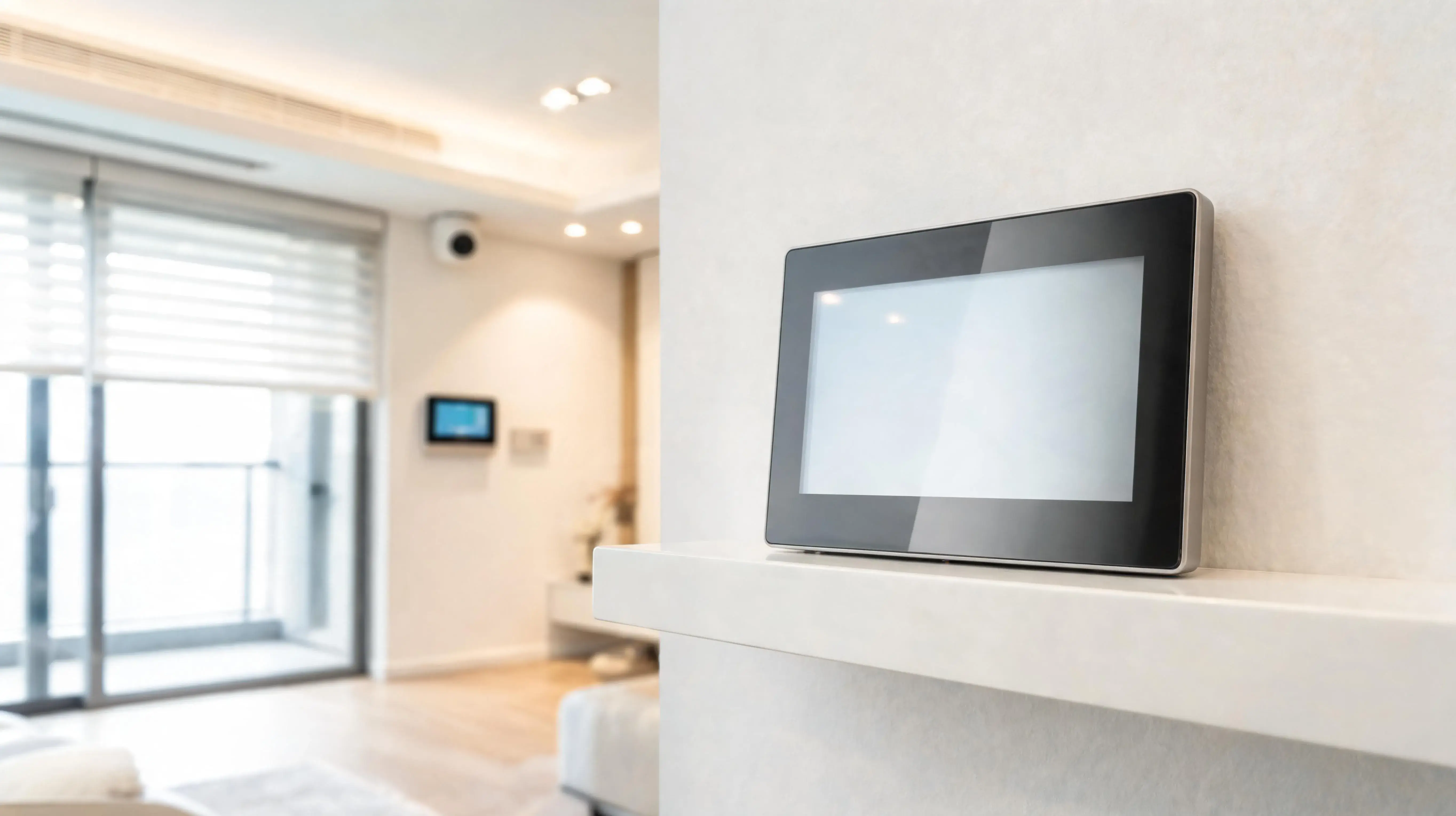
Smart Home vs. Home Automation System: Key Differences
Quick answer: A smart home uses individual connected devices—like smart bulbs, plugs, and speakers—that you control separately through apps or voice. A home automation system integrates these devices into one centralized platform that works together automatically, using schedules, sensors, and rules without constant manual input.
The terms "smart home" and "home automation system" are often used as if they mean the same thing. They do not. Understanding the distinction matters when you plan upgrades, set a budget, or choose between a few app-controlled gadgets and a fully integrated system.
This article breaks down what separates the two, how each one works, and which option suits different needs. By the end, you will know exactly which approach fits your home and lifestyle.
What Is a Smart Home?
A smart home is a residence equipped with internet-connected devices that you can monitor and control remotely. Each device typically operates on its own.
Key characteristics of a smart home:
- Device-focused: Individual products such as smart bulbs, thermostats, plugs, and security cameras.
- App-based control: Most devices come with their own dedicated app for manual operation.
- Voice compatibility: Many work with assistants like Amazon Alexa, Google Assistant, or Apple Siri.
- Flexible entry point: You can start with a single device and add more over time.
A smart home is ideal for beginners. You can buy one smart speaker or one smart bulb, test it, and expand at your own pace without a large upfront commitment.
What Is a Home Automation System?
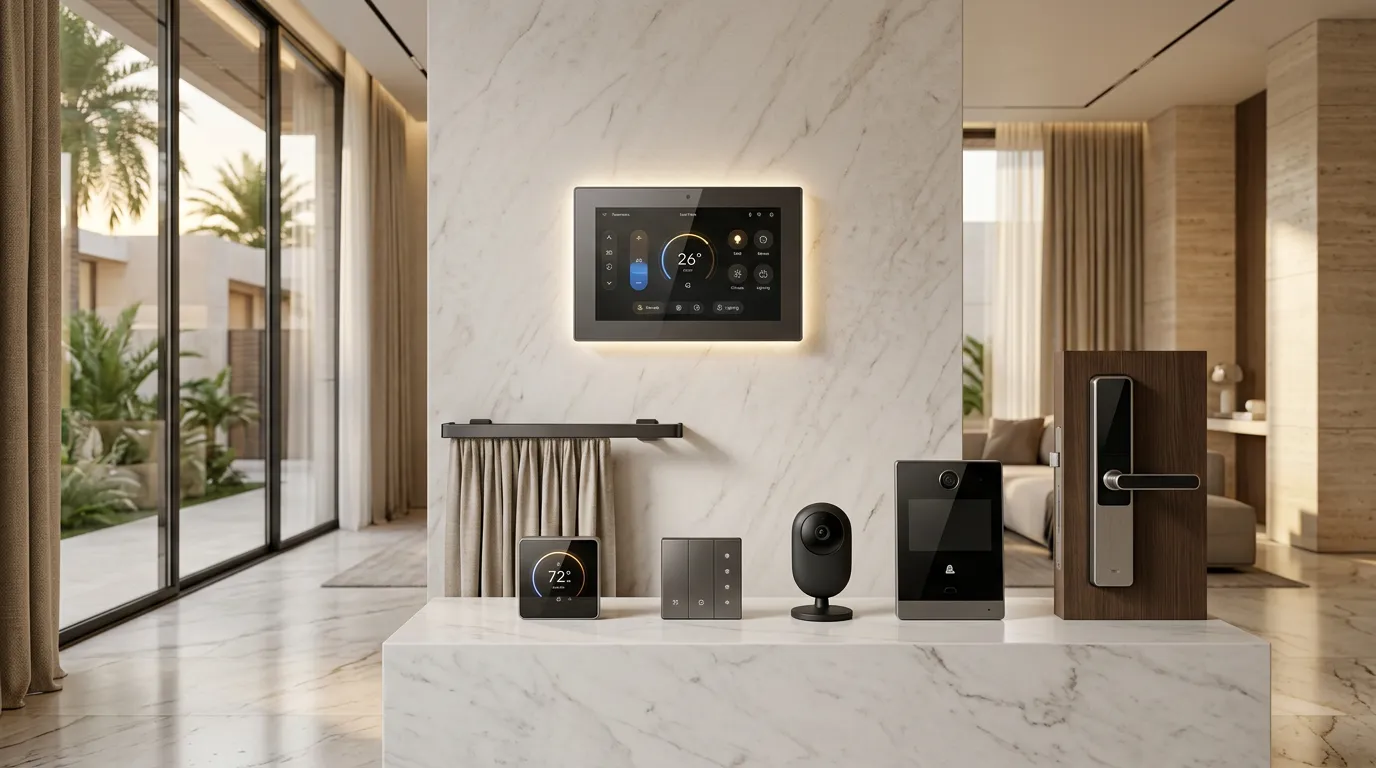
A home automation system connects multiple smart devices into a single, unified platform. Instead of controlling each device separately, the system coordinates them to act together based on rules, schedules, and triggers.
Key characteristics of a home automation system:
- Centralized control: One hub or platform manages every connected device.
- Automated routines: Actions happen automatically—for example, lights dim when a movie starts, or the thermostat lowers at bedtime.
- Sensor-driven: Motion sensors, door sensors, and occupancy detectors trigger responses without manual input.
- Scalable integration: Lighting, climate, security, and entertainment all work as one connected ecosystem.
A home automation system is built for convenience and efficiency. Once configured, it reduces the need for constant manual control and lets your home respond to your habits.
Smart Home vs. Home Automation: The Core Differences
The main difference comes down to integration and automation.
- Control method: A smart home relies on manual control through separate apps. A home automation system uses one platform with automatic responses.
- How devices interact: Smart home devices often operate in isolation. Automation systems make devices communicate and coordinate.
- Level of effort: Smart homes require you to trigger actions. Automation systems run routines on their own.
- Setup complexity: Smart homes are simple to start. Automation systems usually need professional planning or a central hub.
- Cost structure: Smart homes have a low entry cost. Automation systems involve a higher initial investment for greater long-term efficiency.
In short, every home automation system is built on smart devices—but not every smart home is automated.
Which Option Is Right for You?
The right choice depends on your goals, budget, and how much control you want to hand over to technology.
Choose a smart home if:
- You are new to connected technology and want a simple starting point.
- You prefer a low upfront cost and gradual upgrades.
- You only need to control a few devices, such as lights or a speaker.
Choose a home automation system if:
- You want devices to work together automatically.
- You value energy efficiency and reduced manual effort.
- You are building or renovating and can plan a fully integrated setup.
- You want centralized security, climate, and lighting control.
For most households, a smart home is the practical first step. As your needs grow, upgrading to a full home automation system delivers greater comfort, security, and energy savings.
Frequently Asked Questions
-
Is a home automation system more expensive than a smart home?
Yes. A home automation system typically requires a higher initial investment because it includes a central hub, professional setup, and integrated devices. A smart home can begin with a single affordable device, making it the lower-cost entry point.
-
Can I turn my smart home into a home automation system?
In many cases, yes. If your existing smart devices are compatible with a central hub or platform, you can connect them and add automated routines. Compatibility between brands and standards—such as Matter or Zigbee—is the key factor.
-
Do I need internet for home automation to work?
Most systems rely on an internet connection for remote access, voice control, and cloud features. However, some hub-based automation systems can run core routines locally even when the internet is down.
-
Which is better for energy savings?
A home automation system generally delivers greater energy savings. By coordinating thermostats, lighting, and appliances through schedules and sensors, it reduces waste more effectively than manually controlled smart devices.
-
Is professional installation required?
A smart home rarely needs professional installation—most devices are designed for easy self-setup. A home automation system, especially one covering an entire property, often benefits from professional planning and installation to ensure seamless integration.
Take the Next Step Toward a Smarter Home
Choosing between a smart home and a home automation system comes down to how much integration and automation you want. Start small with a few smart devices, or invest in a fully connected system that works on its own—either way, the right setup transforms how you live.
Ready to upgrade your living space? Contact our team today for expert guidance on building the smart home or home automation system that fits your needs and budget.