Shopping Cart



Network Capacity Planning: Prepare Your Business for Growth
Learn how network capacity planning helps businesses forecast demand, prevent bottlenecks, reduce downtime, and scale network infrastructure for future growth.
By Blue Edge Team | Jun 04, 2026
Network Capacity Planning: Prepare Your Business for Growth
Quick answer: Network capacity planning is the process of analyzing your current network performance and forecasting future demand to ensure your infrastructure can support business growth. Done well, it prevents bottlenecks, reduces downtime, and helps you invest in the right resources—before performance problems disrupt your operations.
Growing businesses often outpace their own infrastructure. New employees, more applications, higher data volumes, and emerging technologies all place increasing demands on your network. Without a clear plan, these pressures lead to slow connections, frustrated users, and costly emergency upgrades.
Network capacity planning gives you a structured way to stay ahead. By measuring how your network performs today and predicting what it will need tomorrow, you can scale with confidence. This post explains what network capacity planning involves, why it matters, and how to build a practical plan for your organization.
What Is Network Capacity Planning?
Network capacity planning is the practice of assessing your network's current resources and forecasting future requirements to support growth. It examines bandwidth, hardware, traffic patterns, and application demands to ensure your infrastructure can handle both present and projected workloads.
The goal is simple: deliver consistent, reliable performance while avoiding two costly extremes—over-provisioning, which wastes budget, and under-provisioning, which causes slowdowns and outages.
Effective capacity planning typically covers three areas:
- Bandwidth: The volume of data your network can transmit at any given time.
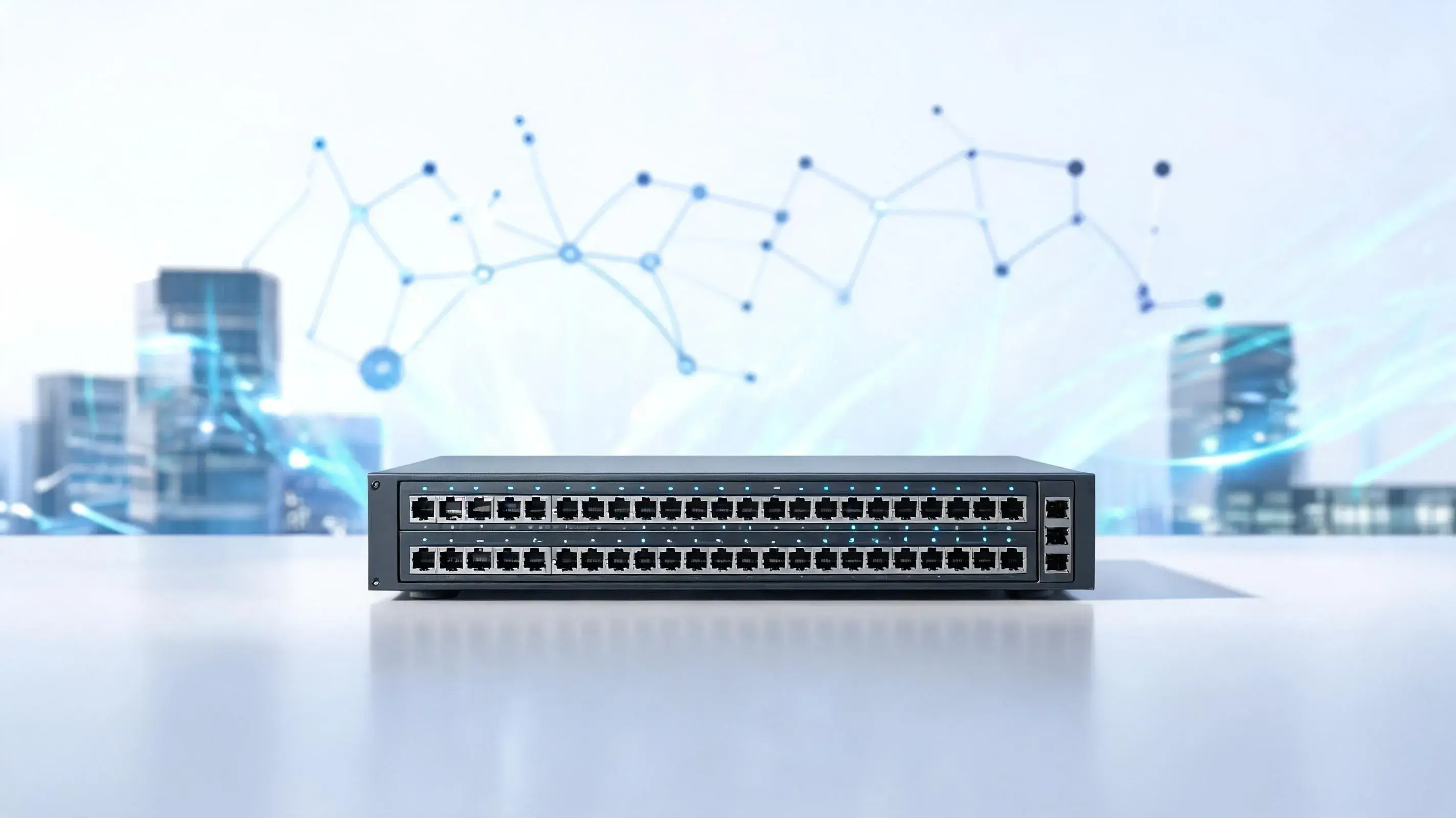
- Hardware: Routers, switches, servers, and other devices that process and route traffic.
- Applications: The software and services that consume network resources, from email to cloud platforms.
Why Does Network Capacity Planning Matter?
A poorly planned network creates risks that grow alongside your business. Strategic capacity planning protects performance and supports long-term goals.
Key benefits include:
- Reduced downtime: Identifying limits early prevents the outages that interrupt productivity and damage customer trust.
- Cost control: Forecasting demand lets you invest in the right resources at the right time, rather than paying for emergency fixes.
- Improved user experience: Reliable speeds and stable connections keep employees and customers productive.
- Scalability: A well-planned network grows smoothly as you add staff, locations, or services.
- Competitive advantage: Dependable infrastructure supports innovation and faster response to market changes.
How Do You Create a Network Capacity Plan?
Building an effective plan follows a clear, repeatable process. Each step builds on the last to give you a complete view of your network's needs.
Step 1: Assess Your Current Network
Start with a full audit of your existing infrastructure. Document your hardware, bandwidth, traffic levels, and how applications are used. This baseline shows what you have and how it performs under normal conditions.
Step 2: Measure Performance and Usage
Use monitoring tools to track key metrics over time, including bandwidth utilization, latency, packet loss, and peak traffic periods. Consistent data reveals patterns and highlights any areas already under strain.
Step 3: Forecast Future Demand
Project your needs based on business goals and growth trends. Consider factors such as:
- Planned hiring or new office locations
- Adoption of bandwidth-heavy tools like video conferencing or cloud services
- Seasonal traffic spikes
- Long-term expansion strategies
Step 4: Identify Gaps and Risks
Compare your current capacity against forecasted demand. Pinpoint where your network may fall short, whether in bandwidth, hardware, or specific applications. This step prioritizes the areas that need attention first.
Step 5: Develop and Implement Upgrades
Create an action plan to close the gaps you identified. This may involve upgrading hardware, increasing bandwidth, optimizing configurations, or migrating to scalable cloud solutions. Implement changes in phases to limit disruption.
Step 6: Monitor and Review Continuously
Capacity planning is ongoing, not a one-time task. Regularly review performance data and update your forecasts as your business evolves. Continuous monitoring keeps your network aligned with changing demands.
What Are the Best Practices for Network Capacity Planning?
A few proven practices help you get the most from your planning efforts:
- Automate monitoring: Real-time tools detect issues faster and reduce manual effort.
- Plan for peaks, not averages: Size your network for the busiest periods to avoid slowdowns during high demand.
- Build in headroom: Leave room for unexpected growth and short-term spikes.
- Align with business strategy: Coordinate planning with leadership so technology supports broader goals.
- Review regularly: Schedule routine assessments to keep pace with change.
Common Challenges and How to Avoid Them
Even well-intentioned plans can fall short. Watch for these common pitfalls:
- Relying on outdated data: Old metrics lead to inaccurate forecasts. Use current, continuous monitoring.
- Ignoring application demands: New software can consume resources quickly. Account for changing usage patterns.
- Underestimating growth: Conservative forecasts often leave networks under-provisioned. Plan for ambitious scenarios.
- Treating planning as one-off: Networks evolve constantly. Make planning a recurring discipline.
Build a Network That Grows With You
Network capacity planning turns reactive firefighting into proactive strategy. By assessing your current performance, forecasting future needs, and addressing gaps before they become problems, you give your business the foundation it needs to scale with confidence.
Start with a thorough audit of your existing network, then commit to ongoing monitoring and regular reviews. The investment you make in planning today will pay off in reliability, cost savings, and uninterrupted growth tomorrow.
Frequently Asked Questions
-
What is the difference between network capacity planning and network monitoring?
Network monitoring tracks performance in real time, alerting you to current issues. Network capacity planning uses that data—along with growth forecasts—to prepare your infrastructure for future demand. Monitoring is reactive; planning is proactive.
-
How often should I review my network capacity plan?
Review your plan at least quarterly, or whenever significant business changes occur, such as hiring, opening new locations, or adopting new applications. Continuous monitoring should run year-round to support these reviews.
-
How much should a business spend on network capacity planning?
Costs vary based on your network's size and complexity. However, proactive planning is typically far less expensive than emergency upgrades or the productivity losses caused by downtime. Treat it as an investment that prevents larger future costs.
-
What tools are used for network capacity planning?
Common tools include network monitoring platforms that track bandwidth, latency, and traffic patterns, along with analytics and forecasting software. The right tools depend on your network size, budget, and specific requirements.
-
Who should be involved in network capacity planning?
Effective planning involves IT teams, network administrators, and business leadership. IT provides technical insight, while leadership ensures the plan aligns with growth strategy and budget priorities.