Shopping Cart



Presence Technology in Unified Communications Explained
Learn how presence technology works in unified communications, improving team collaboration, communication efficiency, and real-time availability visibility.
By Blue Edge Team | Jun 10, 2026
Presence Technology in Unified Communications Explained
Quick answer: Presence technology shows the real-time availability and status of a user across a unified communications system—such as available, busy, away, or offline. It helps teams reach the right person through the right channel at the right time, reducing wasted calls, missed messages, and communication delays.
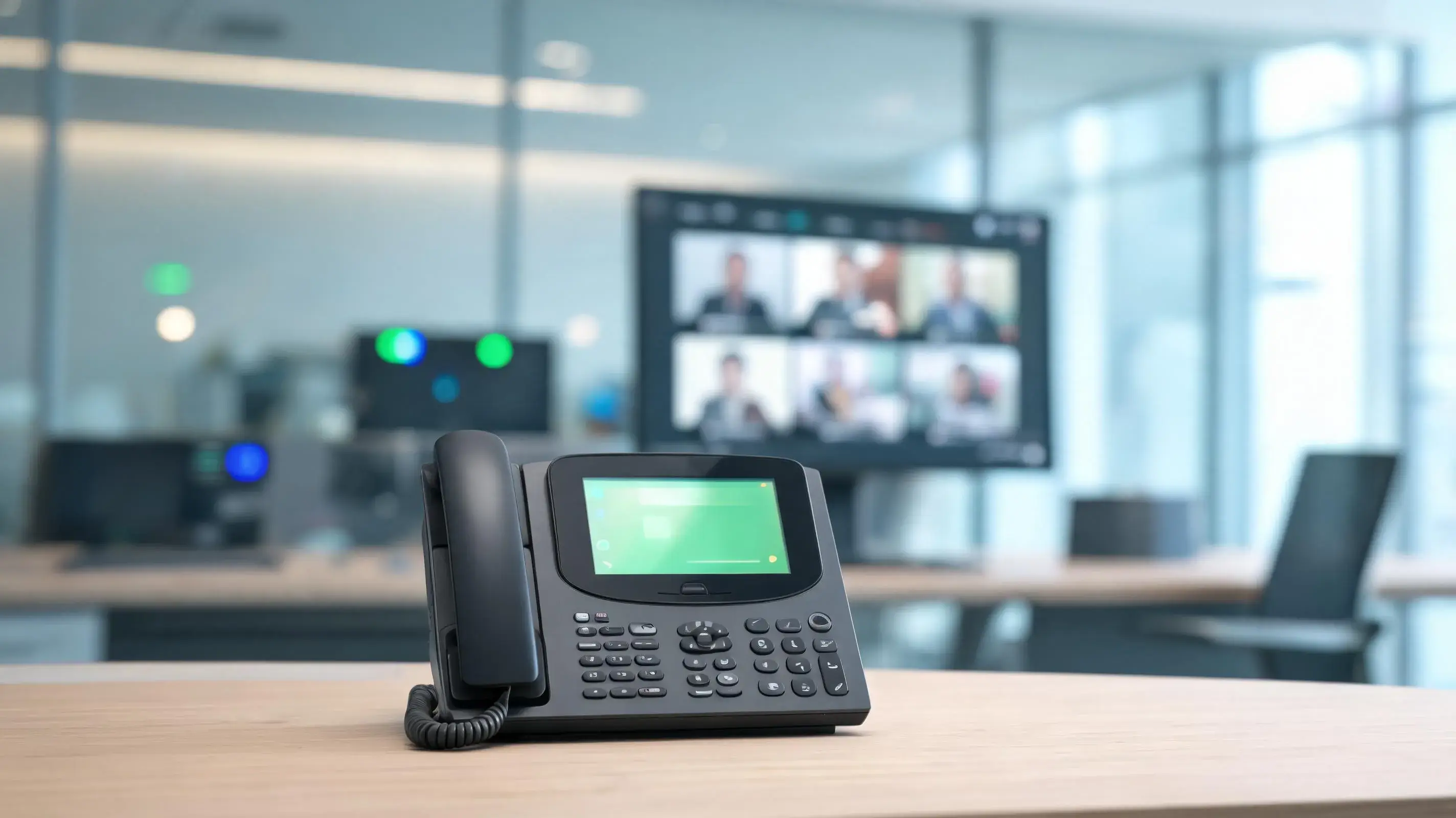
Effective communication depends on knowing when and how to reach someone. Presence technology answers that need by displaying a user's current status across devices and platforms in real time. Within Unified Communications (UC), it acts as the layer that connects people, channels, and availability into one clear view.
This post explains what presence technology is, how it works, and why it matters for modern organizations. You will also find practical use cases, key benefits, and answers to common questions.
What is presence technology in unified communications?
Presence technology is a feature within Unified Communications that displays a user's real-time availability and willingness to communicate. It uses visual indicators—often colored icons—to show whether a person is reachable.
Common presence states include:
- Available: The user is online and ready to communicate.
- Busy: The user is occupied, often in a call or meeting.
- Away: The user is logged in but temporarily inactive.
- Do Not Disturb: The user does not want to be interrupted.
- Offline: The user is not connected or unavailable.
These indicators appear across UC tools such as instant messaging, voice calls, video conferencing, and email integrations.
How does presence technology work?
Presence technology gathers status signals from multiple sources and updates them in real time. The system combines manual input with automatic detection to display an accurate status.
Presence data is typically generated through:
- Manual updates: A user sets their status directly, such as "Do Not Disturb."
- Calendar integration: The system marks a user as busy during scheduled meetings.
- Device activity: Keyboard, mouse, or app activity signals availability or inactivity.
- Call and meeting status: Active calls or video sessions automatically update the indicator.
This information is shared across the UC platform, allowing every team member to view consistent, up-to-date availability.
Why presence technology matters for businesses
Presence technology removes guesswork from daily communication. Instead of calling someone who is unavailable, employees can choose the most effective channel based on real-time status.
Key reasons it matters include:
- Faster decision-making: Teams reach available colleagues without delay.
- Reduced communication gaps: Fewer missed calls and unanswered messages.
- Improved productivity: Less time wasted on failed contact attempts.
- Better customer service: Agents can quickly route queries to available experts.
- Stronger remote collaboration: Distributed teams stay aligned regardless of location.
What are common use cases for presence technology?
Presence technology supports a wide range of business scenarios across industries.
- Customer support: Supervisors see which agents are free and route calls accordingly.
- Sales teams: Representatives identify available colleagues for quick deal support.
- Healthcare: Staff locate available specialists during urgent situations.
- Remote and hybrid work: Distributed teams coordinate without constant status checks.
- Help desks and IT: Technicians escalate issues to available experts instantly.
How does presence improve unified communications overall?
Presence technology acts as the connective layer of a UC system. It links messaging, voice, and video into a single, coordinated experience.
When presence is integrated effectively, organizations gain:
- One consistent view of availability across all communication channels.
- Smarter channel selection, choosing chat, call, or email based on status.
- Seamless escalation, moving from a message to a call when needed.
- Reduced communication friction, improving both internal and external interactions.
Choosing the right presence-enabled UC solution
Not every organization needs the same setup. The right solution depends on team size, work model, and integration requirements.
- Choose a cloud-based UC platform if remote and hybrid collaboration is a priority.
- Prioritize calendar and app integration if accurate automatic status matters most.
- Look for cross-device support if your team works across desktops and mobiles.
- Evaluate security features if you operate in regulated industries.
Strengthen your communication with presence technology
Presence technology transforms how teams connect by making availability visible, accurate, and actionable. It reduces delays, supports collaboration, and enhances both internal coordination and customer service.
Organizations that adopt presence-enabled Unified Communications gain a clear advantage in speed, efficiency, and responsiveness.
Ready to modernize your communication systems? Contact our team to explore presence-enabled Unified Communications solutions tailored to your business needs.
Frequently Asked Questions
-
What is presence technology in simple terms?
Presence technology shows whether a person is available to communicate in real time, using status indicators such as available, busy, or offline across communication tools.
-
How is presence different from instant messaging?
Instant messaging is a communication channel, while presence technology shows a user's availability. Presence helps users decide when and how to use messaging or other channels effectively.
-
Is presence technology useful for remote teams?
Yes. Presence technology is highly valuable for remote and hybrid teams because it provides real-time visibility into availability, reducing delays and improving coordination across locations.
-
Does presence technology raise privacy concerns?
It can, if not managed properly. Most UC platforms address this by allowing users to control their visible status and by applying organizational privacy and security policies.
-
What status options does presence technology typically include?
Common status options include available, busy, away, do not disturb, and offline. Some systems also support custom statuses for specific situations or roles.