Shopping Cart


- Articles
- IT Management
- Mobile Device Management Solutions in Saudi Arabia
Mobile Device Management Solutions in Saudi Arabia
Discover how a robust mobile device management solution in Saudi Arabia protects enterprise data, ensures compliance, and scales with your IT infrastructure.
By Blue Edge Team | Published Mar 18, 2026 | Updated Sep 23, 2026 | 3 min read
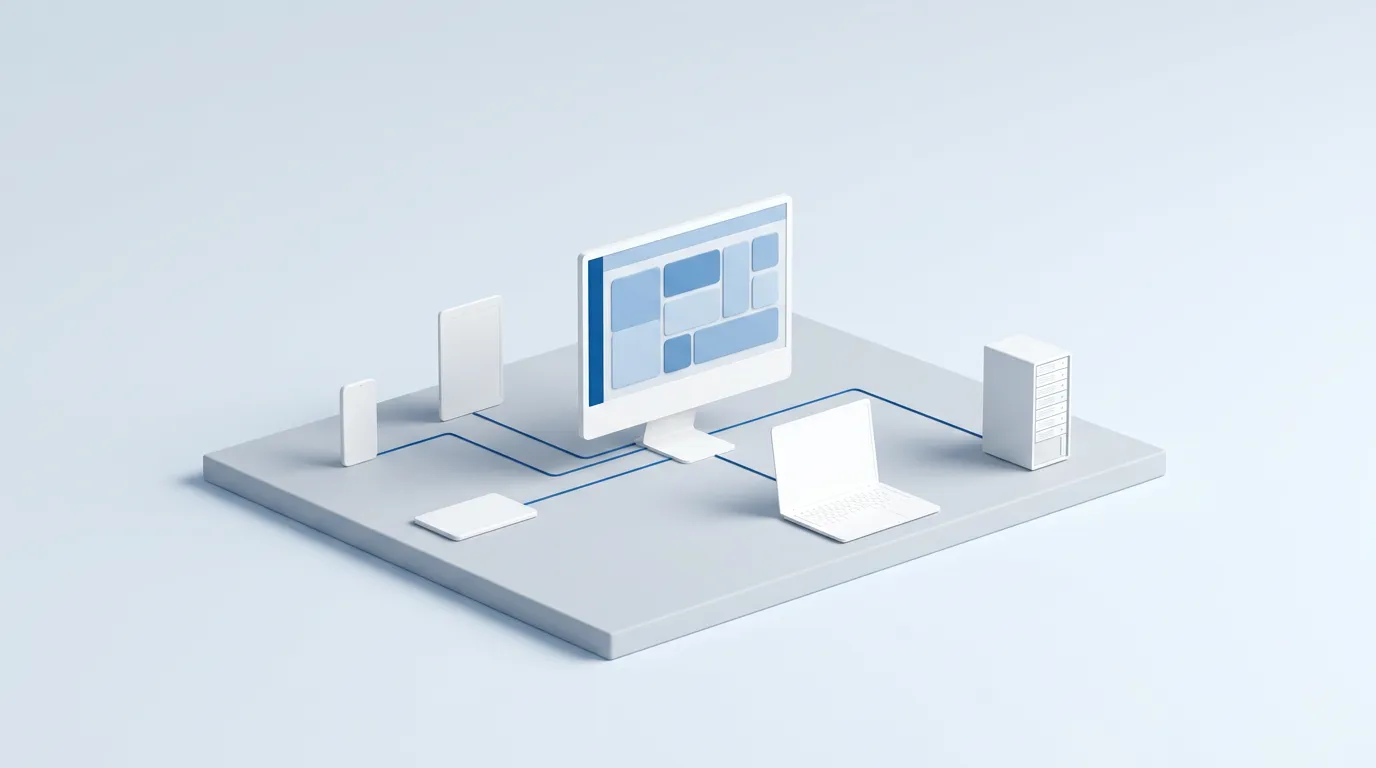
Enterprise organizations are rapidly expanding their digital footprint. As remote connectivity and smart infrastructure adoption increase, IT decision-makers face a critical challenge: securing the numerous endpoints accessing corporate networks. Securing company data requires strict oversight of every smartphone, tablet, and laptop connected to your systems.
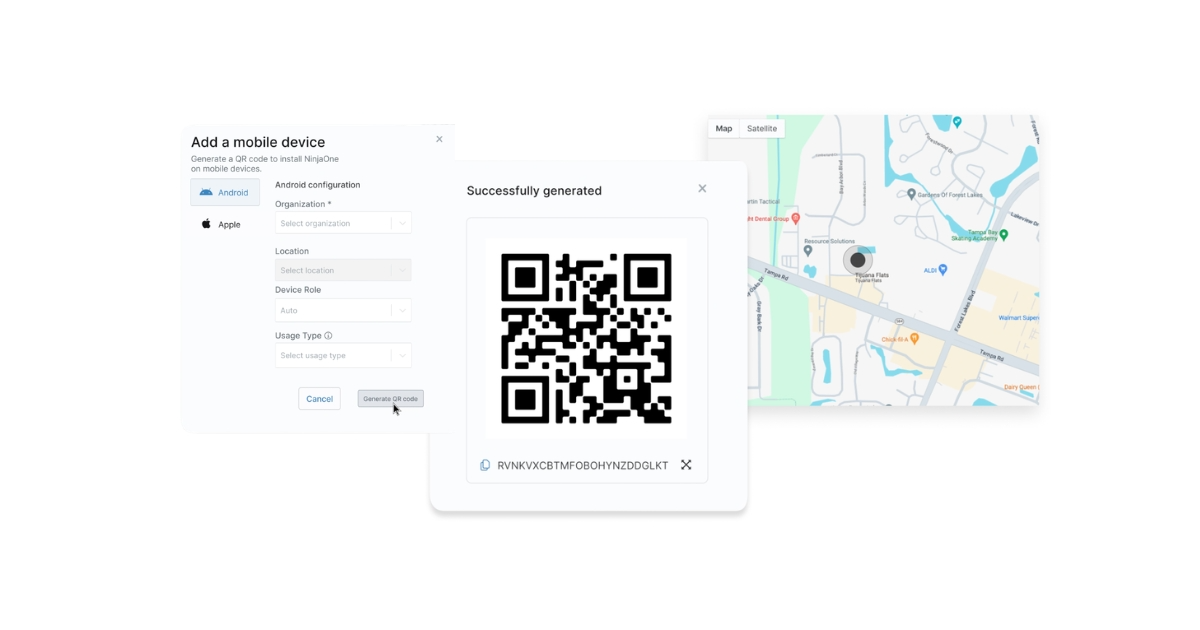
Deploying a comprehensive Mobile Device Management (MDM) solution allows IT solution providers and system integrators to centrally manage and secure hardware across all locations. It provides the visibility required to prevent unauthorized access while keeping employees connected and productive.
Blue Edge partners with globally recognized brands to help enterprises build secure, high-performance IT environments. We provide the necessary infrastructure to deploy effective device management platforms tailored to your operational requirements.
Core Components of Mobile Device Management
Managing fleet devices requires a blend of reliable hardware and robust software configurations. A proper management platform addresses multiple technical requirements simultaneously.
Advanced Cybersecurity Protocols
Protecting your enterprise with cutting-edge security features is the primary function of device management. IT administrators can enforce complex passcode policies, deploy mandatory software patches, and utilize remote-wipe capabilities for lost or stolen hardware. These proactive measures keep sensitive corporate data secure against evolving external threats.
Seamless System Integration
Your device management platform must communicate effortlessly with your current architecture. We ensure seamless system integration with your existing enterprise networking and IP telephony systems. This unified approach reduces deployment timelines and prevents conflicts between legacy communication systems and new mobile hardware.
Strategic Benefits for Enterprise IT
Investing in proper endpoint management yields measurable improvements in both security and operational efficiency. Technology consultants rely on these systems to deliver consistent network stability.
Scalable Solutions for Network Expansion
As your operations grow across multiple facilities, your IT requirements will multiply. Scalable solutions allow administrators to enroll hundreds of new devices simultaneously without overwhelming network bandwidth. This ensures that new branches or remote teams achieve immediate connectivity while maintaining strict security standards.
Enforcing IT Compliance Standards
Government regulations and corporate IT standards demand strict data protection protocols. An integrated management system provides detailed audit logs, compliance reporting, and real-time monitoring. This technical validation proves that your organization actively protects user data and adheres to necessary compliance frameworks.
Partnering with Blue Edge for Communication and Technology
Selecting the right technology distribution partner determines the long-term success of your IT initiatives. You need a partner that understands the technical depth of enterprise environments.
Trusted Global Brands and Reliable Hardware
We supply trusted global brands known for exceptional performance and longevity. Every component we distribute is rigorously tested to meet high industry standards. This guarantees that the hardware supporting your device management software remains reliable under heavy enterprise workloads.
Comprehensive 24/7 Technical Support
System downtime directly impacts your profitability. Our dedicated engineering team provides 24/7 technical support to resolve connectivity issues efficiently. From initial technical consultation to post-installation troubleshooting, we ensure your operations run smoothly at all times.
Key takeaways
- A dedicated Mobile Device Management solution is essential for securing distributed enterprise hardware.
- Cutting-edge security features protect sensitive data through remote monitoring and policy enforcement.
- Seamless system integration allows new devices to connect flawlessly with existing infrastructure.
- Scalable solutions accommodate rapid business growth without compromising performance or security.
- Partnering with a reliable provider ensures access to trusted global brands and continuous technical support.
Frequently Asked Questions
-
What is a mobile device management (MDM) solution?
It is a security and administrative platform that allows IT managers to monitor, manage, and secure mobile devices across an enterprise network from a centralized dashboard.
-
How does device management integrate with existing enterprise systems?
Modern platforms are designed for seamless integration. They sync with directories and network protocols to ensure devices are authenticated securely without disrupting your current IT environment.
-
Can these solutions scale for large enterprise deployments?
Yes. These solutions are highly scalable, allowing system integrators to deploy configurations to thousands of devices simultaneously across multiple environments.
-
What cybersecurity features are included in device management?
Standard features include data encryption, application whitelisting, remote lock and wipe capabilities, and automated threat detection to protect against unauthorized access.
-
Why choose Blue Edge for infrastructure needs?
Blue Edge operates as a value-added distributor, providing reliable hardware, expert consultation, and continuous support to ensure successful digital transformation initiatives.
About Blue Edge
Blue Edge Company is a value-added technology distributor based in Dammam, Saudi Arabia, supplying interactive displays, smart building systems, networking infrastructure and IT security software to businesses and residential projects across the Kingdom, with installation and technical support.
Learn more about Blue Edge →Published 18 March 2026 • Last updated 23 September 2026 • This article is reviewed when standards, regulations or product guidance change.