Shopping Cart



Smart Office Setup Guide for Businesses | Intelligent Workspace Solutions
Learn how to build a smart office with enterprise networking, IP telephony, cybersecurity, automation, and intelligent communication systems for modern businesses.
By Blue Edge Team | May 21, 2026
Smart Office Setup Guide for Businesses: A Strategic Approach
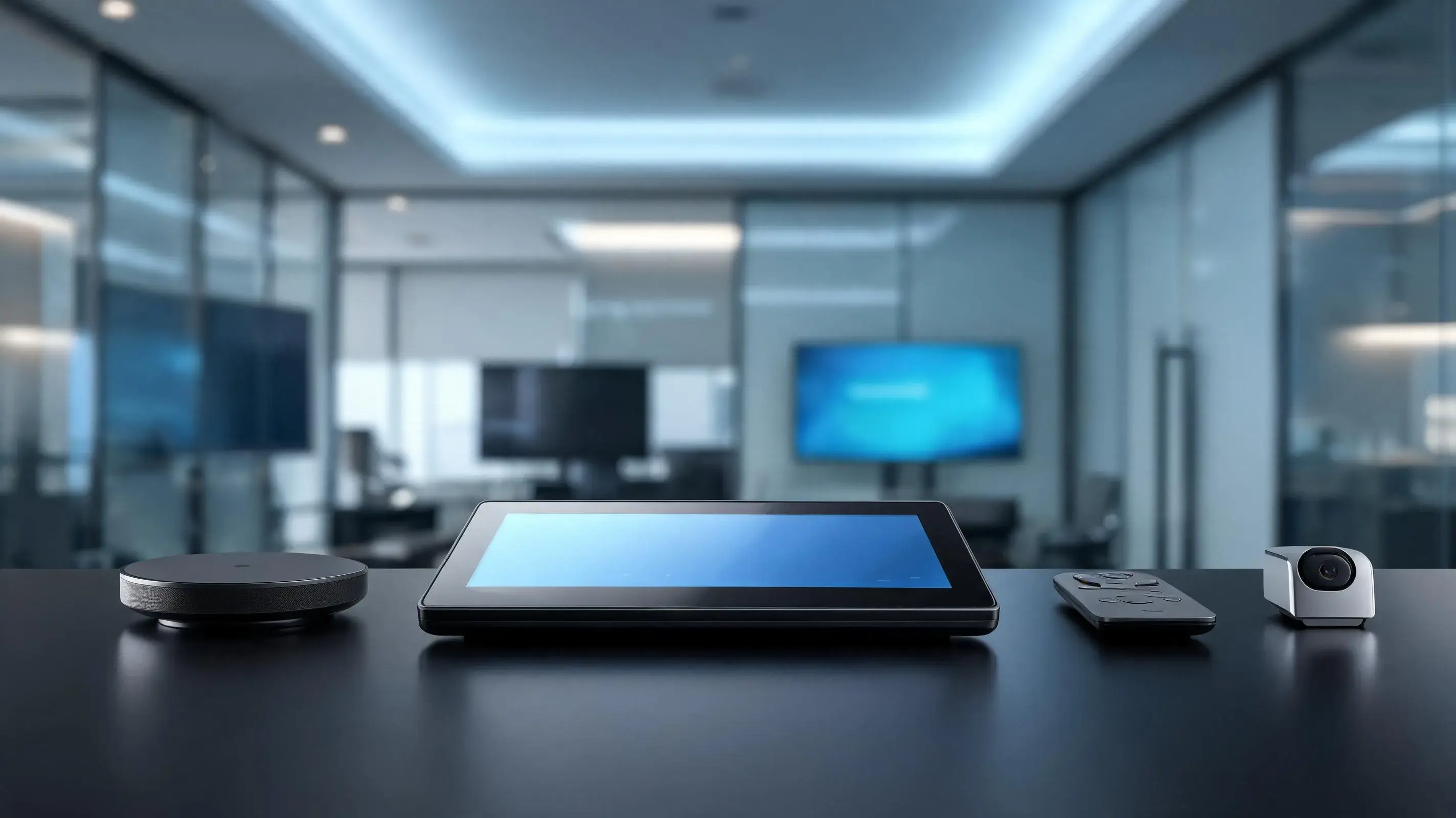
Modernizing your workspace requires more than just purchasing new devices. A true smart office integrates advanced communication, robust security, and automated systems to enhance productivity. As organizations scale, deploying intelligent technology becomes critical for maintaining operational efficiency and securing corporate assets.
This guide outlines the essential components and strategic steps required to build a highly efficient, intelligent workspace tailored for enterprise success. By implementing these solutions, you empower your business with a secure, flexible, and high-performance environment.
The Strategic Benefits of an Intelligent Workspace
Investing in modern workplace technology yields measurable returns across multiple facets of your organization. Understanding these benefits helps prioritize your technology investments.
- Maximized Productivity: Automated systems remove friction from daily tasks. Employees can book meeting rooms, connect to presentations, and communicate globally without technical delays.
- Enhanced Security: Integrated digital and physical security protocols protect sensitive data and physical assets from unauthorized access.
- Cost Optimization: Smart environmental controls drastically reduce utility expenditures by optimizing power usage based on real-time occupancy.
- Scalability: A properly structured technology environment allows you to easily add new devices, users, and software as your business expands.
Core Infrastructure Requirements
A smart office operates efficiently only when built upon a highly reliable technological foundation. Without robust infrastructure, even the most advanced devices will underperform.
- Enterprise Networking: A reliable network is the critical backbone of any smart office. Deploying high-performance routers, switches, and enterprise-grade Wi-Fi ensures seamless connectivity for all IoT devices and employee workstations.
- Structured Cabling Infrastructure: Proper physical infrastructure prevents data bottlenecks. Implementing organized, high-capacity cabling supports current digital operations and accommodates future technological expansions without requiring major renovations.
- Uninterruptible Power Supply (UPS): Power continuity is essential. Dedicated UPS systems protect sensitive equipment from power surges and prevent data loss during unexpected outages.
Intelligent Communication Systems
Modern businesses require seamless collaboration tools to function effectively across different time zones and locations.
- IP Telephony: Traditional analog phone lines severely limit flexibility. IP telephony offers scalable, cloud-based voice communication that keeps your workforce connected from any location, featuring advanced call routing and analytics.
- Video Conferencing Solutions: High-definition video and crystal-clear audio hardware transform standard meeting rooms into global communication hubs. These systems bridge the gap between in-office and remote teams, facilitating highly productive collaboration.
- Unified Communications (UC): Integrating voice, video, messaging, and file sharing into a single platform streamlines corporate communication and reduces the complexity of managing multiple disjointed applications.
Smart Building Technologies and Security
Protecting your facility and optimizing the physical environment are vital components of the modern office setup.
- Access Control Systems: Transition away from traditional keys. Biometric scanners, RFID badges, and mobile-based entry systems provide secure, trackable access to your facilities, ensuring only authorized personnel enter restricted areas.
- Environmental Control Sensors: Smart thermostats and automated lighting systems reduce energy consumption. These sensors adjust to real-time room occupancy and natural light levels, optimizing comfort while lowering overhead costs.
- Cybersecurity Systems: As device connectivity increases, network vulnerabilities expand. Deploying enterprise-level firewalls, endpoint protection, and continuous network monitoring secures sensitive corporate data against sophisticated digital threats.
Step-by-Step Implementation Strategy
Transitioning to a smart office requires methodical execution. Follow these direct steps to ensure a successful technology deployment.
- Conduct a Needs Assessment: Evaluate your current infrastructure to identify operational bottlenecks and security gaps. Document specific business workflows that require optimization.
- Select Reliable Solutions: Partner with world-leading brands to deliver innovative and reliable solutions. Ensure every product you offer is tested and proven to meet the highest industry standards for optimal performance and durability.
- Execute Professional Installation: Rely on certified system integrators to install and configure network components. Proper initial configuration prevents costly downtime and technical issues later.
- Train Your Workforce: Technology is only effective if your team knows how to use it. Educate your employees on maximizing the new tools, ensuring high adoption rates and immediate productivity gains.
Frequently Asked Questions
-
What is the first step in setting up a smart office?
The initial step is conducting a comprehensive infrastructure assessment. You must understand your current network capabilities, physical space limitations, and specific operational requirements before purchasing new hardware.
-
How does a smart office improve energy efficiency?
Smart offices utilize IoT sensors to continuously monitor room occupancy and ambient conditions. These sensors automatically adjust lighting and climate control systems, significantly reducing wasted energy in unoccupied spaces.
-
Are wireless networks secure enough for enterprise operations?
Yes, provided they are configured correctly. Implementing advanced encryption protocols, segmenting IoT devices from primary data networks, and utilizing dedicated cybersecurity systems ensures your wireless infrastructure remains highly secure.
-
Can existing legacy systems be integrated into a smart office?
Many legacy systems can be integrated using specialized analog-to-digital adapters or middleware. However, upgrading to native IP-based solutions typically provides better long-term reliability, security, and performance.
-
How do smart building technologies impact employee productivity?
By automating routine environmental adjustments and providing frictionless communication tools, employees spend less time managing their workspace and troubleshooting hardware, allowing them to focus entirely on critical business tasks.
Empower Your Workspace for the Future
Transitioning to a smart office requires careful planning and a commitment to high-quality technology. By focusing on strong networking, secure environments, and intelligent communication tools, you build a foundation for sustained business growth. Invest in proven, reliable systems today to ensure your operations remain competitive, efficient, and secure for years to come.