Shopping Cart



Understanding Occupancy Sensing for Space Optimization
Learn how occupancy sensing improves space utilization, reduces energy costs, enhances workplace efficiency, and supports smart building automation strategies.
By Blue Edge Team | Jun 14, 2026
Understanding Occupancy Sensing for Space Optimization
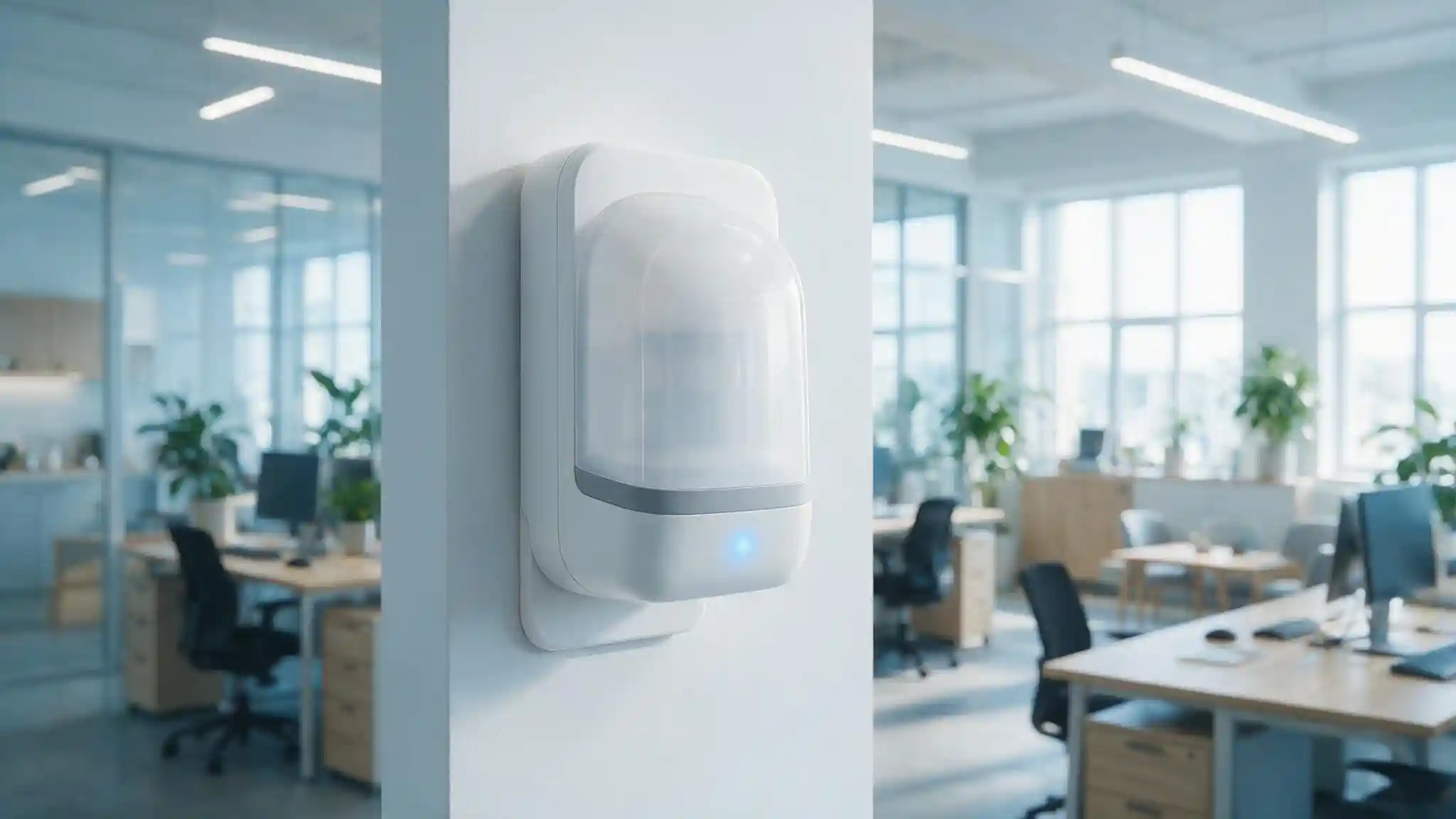
Quick answer: Occupancy sensing relies on intelligent electronic devices to detect human presence within a defined physical area. By collecting real-time utilization data, modern businesses can automate environmental controls, identify underutilized areas, and reconfigure floor plans to maximize operational efficiency and reduce energy expenditures.
Modern businesses require secure, flexible, and high-performance facility management systems. Managing commercial real estate efficiently is a primary objective for enterprise organizations seeking to control operational costs.
Traditional facilities often rely on static schedules for lighting and climate control. This approach leads to significant energy waste when employees are absent.
Deploying smart building technologies provides continuous visibility into how facilities operate. Occupancy sensors eliminate the guesswork from facility management by delivering precise, actionable data regarding actual space utilization.
How Does Occupancy Sensing Work in Smart Buildings?
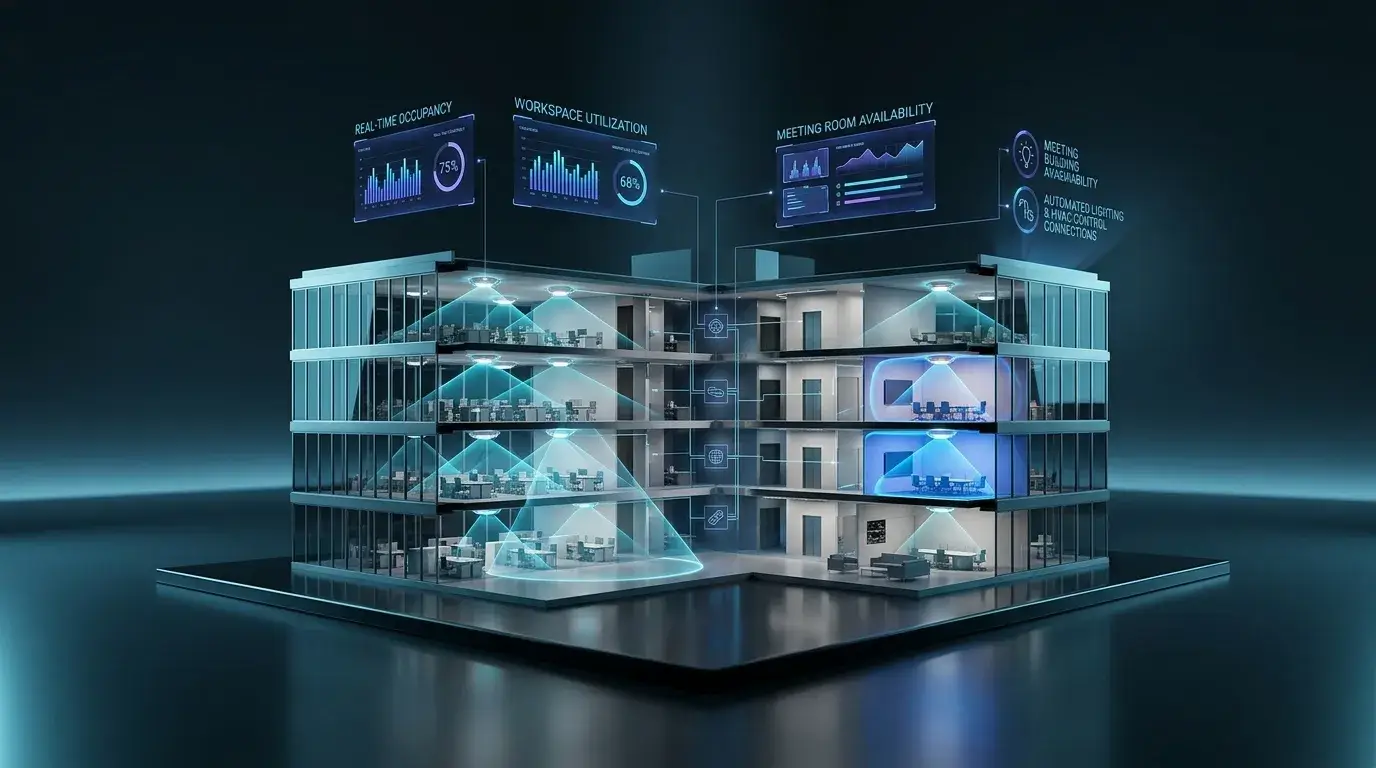
Occupancy sensing systems utilize sophisticated hardware components integrated into a broader network infrastructure. These electronic devices continuously monitor specific zones and transmit presence data to a centralized management platform.
When a sensor detects motion or thermal changes, it triggers automated responses across connected building systems. This seamless integration ensures optimal performance while eliminating manual intervention.
What Are the Different Types of Occupancy Sensors?
Selecting the correct sensor hardware requires understanding the unique demands of your physical environment.
- Passive Infrared (PIR) Sensors: These devices detect the heat emitted by human bodies. Choose PIR sensors if monitoring small, enclosed spaces like private offices or storage rooms is your primary objective. They are highly reliable for detecting major movements.
- Ultrasonic Sensors: These electronic devices emit high-frequency sound waves and measure the reflection pattern to detect movement. Choose ultrasonic sensors if you need to monitor complex spaces with visual obstructions, such as public restrooms or partitioned workspaces, because sound waves can navigate around physical barriers.
- Dual-Technology Sensors: These units combine both PIR and ultrasonic technologies. They require both systems to trigger an "occupied" status, minimizing false activations. Choose dual-technology sensors if maximum precision is required for large, open-plan environments.
What Are the Key Benefits of Implementing Space Optimization?
Integrating smart building technologies directly impacts organizational efficiency. Occupancy sensing provides a wide range of operational advantages.
- Significant Energy Reductions: Automating HVAC and lighting systems based on real-time presence prevents unnecessary resource consumption. Facilities typically observe immediate decreases in monthly utility expenditures.
- Data-Driven Space Planning: Facility managers can analyze historical utilization data to identify abandoned desks or overcrowded meeting rooms. This information empowers organizations to redesign floor plans based on actual employee behavior rather than estimations.
- Enhanced Security Protocols: Occupancy data integrates seamlessly with cybersecurity systems and enterprise networking infrastructure. Monitoring off-hours movement adds a critical layer of physical security to corporate environments.
- Improved Employee Experience: Ensuring meeting rooms are accurately listed as available or occupied prevents scheduling conflicts. Automated climate controls maintain optimal comfort levels, supporting productivity and well-being.
How Can Organizations Deploy Occupancy Sensing Systems?
Proper installation and configuration dictate the success of any technology solution. Organizations must follow a structured approach to ensure optimal performance and durability.
- Conduct a Comprehensive Site Audit: Map out the entire facility to identify high-traffic zones, private areas, and potential blind spots.
- Define Integration Requirements: Ensure the new sensors will communicate seamlessly with existing IP telephony, structured cabling infrastructure, and centralized management dashboards.
- Select Industry-Standard Hardware: Partner with world-leading brands to source reliable devices. Every product must be tested and proven to meet rigorous industry standards.
- Execute Strategic Placement: Install sensors at optimal heights and angles. Avoid placing PIR sensors near HVAC vents to prevent false thermal readings.
- Monitor and Calibrate: After the initial deployment, review the data outputs regularly. Adjust sensitivity settings to match the specific daily workflows of your personnel.
Transforming Facilities for the Future
Relying on outdated, static building management processes exposes organizations to unnecessary financial waste and operational friction. Intelligent occupancy sensing transforms physical spaces into responsive, high-performance environments.
By capturing precise utilization metrics, businesses can adapt their infrastructure to meet the evolving demands of their workforce. The integration of these electronic devices ensures that every square foot delivers maximum value to the organization.
Ready to upgrade your infrastructure? Empower your enterprise by integrating cutting-edge smart building technologies today. Contact our technical consulting team to schedule a comprehensive facility assessment and discover the ideal sensing solutions for your specific environment.
Frequently Asked Questions
-
What is the difference between an occupancy sensor and a vacancy sensor?
An occupancy sensor automatically turns lights and systems on when a person enters a room, and turns them off after the room is empty. A vacancy sensor requires a user to manually turn the systems on upon entering, but it will automatically turn them off once the space is vacated.
-
How much energy can an organization save by utilizing occupancy sensors?
While results vary based on facility size and baseline consumption, the Environmental Protection Agency (EPA) indicates that automated occupancy sensing can reduce lighting energy waste by 30% to 60% in commercial environments.
-
Do occupancy sensors violate employee privacy?
No. Standard occupancy sensors detect motion, sound waves, or thermal signatures. They do not capture photographic images, record conversations, or identify specific individuals. They only record whether a defined zone is currently occupied or empty.
-
Can occupancy data integrate with existing calendar applications?
Yes. Modern occupancy sensors integrate directly with enterprise networking systems and calendar platforms. If a scheduled meeting room remains physically empty for a predetermined timeframe, the system can automatically cancel the reservation and release the room back into the available pool.