Shopping Cart



AI Cyber Attacks in Saudi Arabia – Prevention & Defense Guide (2026)
Learn how to prevent AI-powered cyber attacks in Saudi Arabia. Discover advanced threat detection, endpoint security, and enterprise cybersecurity strategies for 2026.
By Blue Edge Team | Apr 20, 2026

Defeating AI Cyber Attacks in Saudi Arabia
The digital landscape across the Kingdom of Saudi Arabia (KSA) is expanding at an unprecedented rate. Driven by ambitious national initiatives, organizations are integrating advanced technologies into their daily operations. This rapid digital transformation delivers immense value and efficiency, but it also introduces new vulnerabilities.
Malicious actors are increasingly leveraging Artificial Intelligence (AI) to execute highly sophisticated cyber attacks. These threats operate with a level of speed and adaptability that traditional security measures struggle to counter. By automating complex processes, attackers can probe network defenses, personalize phishing campaigns, and deploy adaptive malware with minimal human intervention.
Understanding the mechanics of these AI-driven threats is the first step toward safeguarding your enterprise. Modern businesses require secure, flexible, and high-performance communication systems to withstand these evolving risks. This guide details the nature of AI-powered cyber attacks currently targeting organizations in KSA and provides actionable defense strategies to ensure your infrastructure remains resilient.
The Evolution of AI-Powered Cyber Threats
Artificial intelligence fundamentally alters the cybersecurity battlefield. Attackers use machine learning algorithms to analyze massive datasets, identifying network weaknesses much faster than human hackers.
Automated Phishing and Social Engineering
Traditional phishing emails often contain noticeable errors in grammar or formatting. AI language models now generate flawless, highly targeted communications that mimic the tone and style of trusted colleagues or executives. These sophisticated social engineering attacks trick employees into revealing sensitive credentials or authorizing fraudulent financial transfers.
Adaptive Malware and Ransomware
Standard antivirus software relies on known threat signatures to block malicious files. AI-powered malware continuously rewrites its own code to evade this signature-based detection. Once inside a network, these intelligent programs can autonomously navigate through the system, identifying high-value data targets and disabling backup systems before deploying ransomware payloads.
Deepfake Technology
Voice and video cloning technologies are becoming increasingly accessible. Cybercriminals use deepfakes to bypass biometric security protocols or impersonate company leadership during critical communications. This tactic is particularly dangerous for financial institutions and large enterprises operating within the Kingdom.
Robust Defense Strategies for KSA Organizations
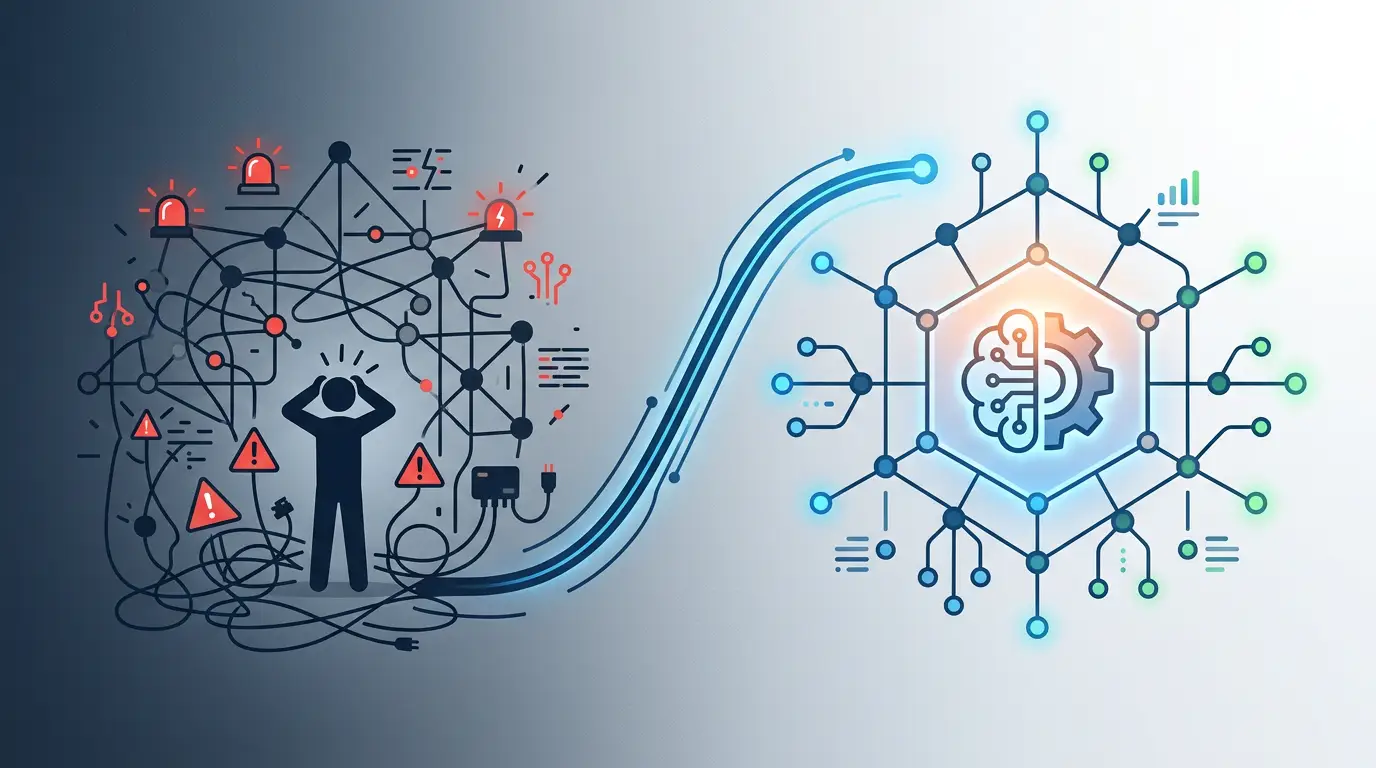
To counter intelligent threats, organizations must deploy equally intelligent defenses. Relying solely on legacy security infrastructure is no longer sufficient.
Implementing AI-Driven Threat Detection
Deploying AI-based cybersecurity platforms allows your organization to monitor network traffic in real-time. These systems establish a baseline of normal user behavior and instantly flag anomalies that indicate a potential breach. By utilizing machine learning, these defense systems continuously improve their detection capabilities, adapting to new attack vectors as they emerge.
Strengthening Endpoint Security
With the rise of remote work and mobile connectivity, endpoints such as laptops and smartphones are primary targets. Organizations must implement advanced endpoint detection and response (EDR) solutions. These tools analyze the behavior of programs running on individual devices, automatically isolating compromised endpoints from the broader corporate network to prevent lateral movement.
Partnering for Technological Excellence
Building a resilient security posture requires access to industry-leading expertise. Blue Edge for Communication and Technology empowers partners and clients across Saudi Arabia by delivering cutting-edge communication and technology solutions. We provide a wide range of technology solutions including enterprise networking, cybersecurity systems, and structured cabling infrastructure. Every product we offer is tested and proven to meet the highest industry standards, ensuring optimal performance and durability.
Securing Your Digital Infrastructure
The integration of artificial intelligence into cyber warfare presents a significant challenge for modern enterprises. However, by understanding the mechanics of these threats and proactively upgrading your security architecture, you can protect your valuable digital assets.
Organizations must prioritize the implementation of intelligent threat detection systems, secure their endpoints, and foster a culture of cybersecurity awareness among employees. Evaluating your current network infrastructure is a critical first step. Contact our team of experts to discuss how we can integrate secure, high-performance cybersecurity solutions tailored to the unique needs of your business.
Frequently Asked Questions
-
What defines an AI-powered cyber attack?
An AI-powered cyber attack utilizes artificial intelligence and machine learning algorithms to automate, accelerate, and optimize malicious activities. This includes generating targeted phishing content, creating evasive malware, and rapidly identifying vulnerabilities within a target network.
-
How are businesses in KSA specifically targeted?
Organizations in KSA are frequently targeted due to the region's rapid economic growth and heavy investment in digital infrastructure. Attackers focus on critical sectors such as energy, finance, and telecommunications, often using localized social engineering tactics to bypass human security barriers.
-
Can AI effectively defend against AI-powered attacks?
Yes. AI-driven cybersecurity systems are essential for identifying and mitigating intelligent threats. These defensive platforms process vast amounts of network data in real-time to detect anomalous behavior, effectively countering the speed and adaptability of automated attacks.
-
What are the best practices for preventing ransomware?
Preventing ransomware requires a multi-layered approach. Organizations should implement continuous network monitoring, enforce strict access controls based on the principle of least privilege, maintain isolated offline backups, and conduct regular employee security awareness training.
-
Why partner with a specialized technology solutions provider?
Partnering with a specialized provider ensures that your organization has access to the most advanced security infrastructure available. A dedicated technology partner delivers customized solutions, continuous system optimization, and the expertise necessary to maintain compliance with regional data protection regulations.