Shopping Cart


Smart Office Automation Trends in Saudi Arabia (2026 Guide)
Explore smart office automation trends in Saudi Arabia for 2026 including IoT, AI, unified communication, and intelligent workplace solutions for businesses.
By Blue Edge Team | Apr 20, 2026
Transforming the Workplace: Smart Office Automation Trends
Modern businesses require secure, flexible, and high-performance environments to maximize productivity and employee satisfaction. The traditional workplace is rapidly evolving into a highly connected ecosystem. By integrating advanced technology, organizations can create spaces that actively respond to the needs of their workforce. This evolution is driven by the necessity for operational efficiency and seamless connectivity across local and distributed teams.
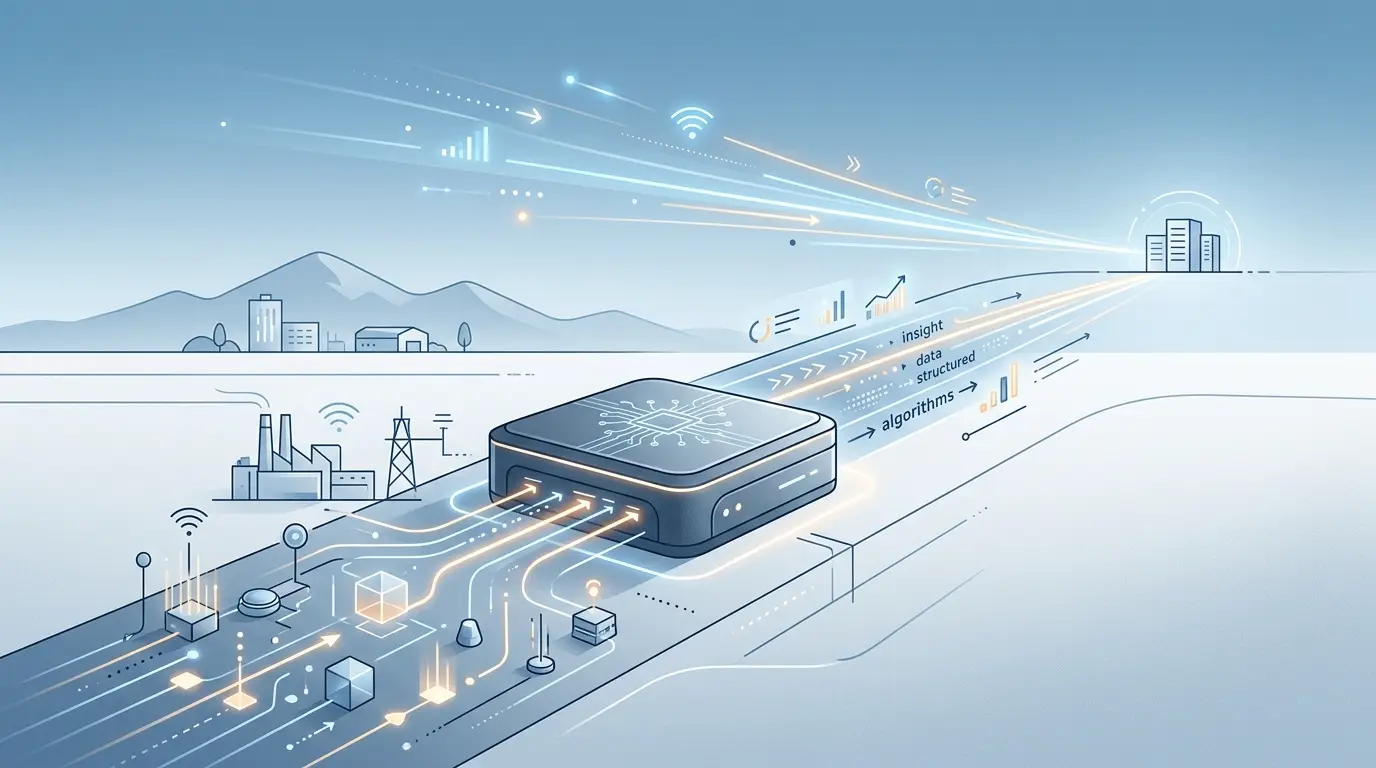
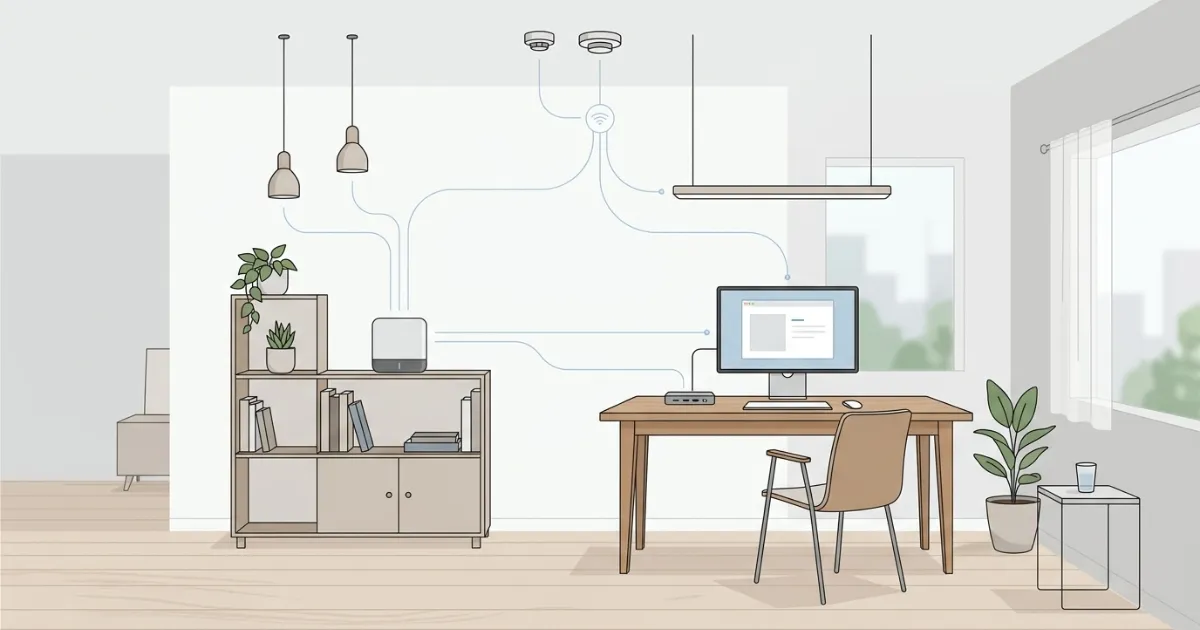
Smart offices leverage the power of the Internet of Things (IoT), artificial intelligence, and unified communications to optimize daily operations. These technologies work together to manage everything from energy consumption to enterprise networking. When physical infrastructure communicates directly with digital platforms, organizations experience significant reductions in overhead costs and a measurable increase in daily output.
Understanding the latest developments in workplace technology is essential for business leaders looking to maintain a competitive advantage. This article provides a comprehensive overview of current automation and communication trends shaping the modern office. Readers will gain actionable insights into selecting and implementing cutting-edge solutions that ensure optimal performance and durability within their corporate infrastructure.
Key Trends in Smart Office Automation
Automation technology streamlines routine tasks, allowing personnel to focus on high-value objectives. Strategic implementation of automated systems reduces human error and ensures that the work environment is consistently optimized for comfort and security.
Intelligent Resource Management
Modern facilities utilize IoT sensors to monitor and adjust resource usage in real-time. Smart HVAC systems and intelligent lighting networks detect room occupancy and adjust settings automatically. This precise control over the physical environment significantly reduces energy waste and lowers utility expenses. Automated climate control also provides a more comfortable atmosphere for employees, directly impacting their focus and overall well-being.
Advanced Security and Access Control
Corporate security has transitioned from physical keys and manual logs to sophisticated, automated access systems. Biometric scanners, mobile credentials, and intelligent surveillance cameras work in unison to protect physical and digital assets. Modern cybersecurity systems integrate with these physical barriers to ensure that only authorized personnel can access sensitive areas or enterprise networks. When a security anomaly occurs, these integrated systems immediately alert facility managers, neutralizing threats before they escalate.
Next-Generation Communication Solutions
Effective communication is the cornerstone of any successful enterprise. As teams become increasingly dispersed, organizations must deploy reliable and innovative communication systems to maintain operational continuity.
Unified Communications and IP Telephony
The fragmentation of messaging, voice, and video tools creates unnecessary friction for employees. Unified communications consolidate these channels into a single, cohesive platform. IP telephony replaces legacy phone systems with digital networks that offer superior call quality and advanced routing capabilities. By centralizing communication infrastructure, businesses ensure that team members can collaborate seamlessly, regardless of their physical location.
AI-Enhanced Video Conferencing
Video conferencing solutions have advanced far beyond basic camera and microphone setups. Current smart office environments feature AI-driven hardware that automatically frames speakers, suppresses background noise, and transcribes meetings in real-time. High-performance conferencing systems integrate directly with smart room displays and enterprise calendars. This level of integration allows employees to walk into a meeting room and launch a global presentation with a single touch, eliminating the technical delays that often hinder productivity.
Future-Proof Your Corporate Infrastructure
Investing in advanced communication and automation technology is no longer optional for organizations aiming to scale efficiently. Upgrading your corporate environment requires a strategic approach, beginning with a thorough assessment of your current structured cabling and enterprise networking capabilities.
Evaluate your existing pain points to identify which intelligent solutions will deliver the highest return on investment. Partner with world-leading technology providers to ensure every product you implement meets the highest industry standards. By taking decisive action to integrate these systems today, you will empower your workforce and build a resilient, high-performance business for the future.
Frequently Asked Questions
-
What defines a smart office?
A smart office is a technology-driven workplace that uses connected devices, sensors, and centralized software to optimize operations, enhance employee productivity, and manage physical infrastructure efficiently.
-
How does automation improve workplace security?
Automation improves security by utilizing connected access control systems, biometric authentication, and intelligent surveillance. These tools monitor facilities 24/7, restrict unauthorized entry, and automatically alert administrators to potential breaches in real-time.
-
What is the role of IP telephony in a modern business?
IP telephony transmits voice communications over the internet rather than traditional copper wires. It provides enterprise-grade call quality, flexibility for remote workers, and seamless integration with other digital collaboration tools.
-
Can smart building technologies reduce operational costs?
Yes. Smart building technologies utilize environmental sensors to automate lighting and HVAC systems based on real-time occupancy. This precision prevents energy waste in empty rooms, leading to substantial reductions in monthly utility bills.
-
What infrastructure is required to support a smart office?
A successful smart office requires a robust foundation of structured cabling and secure enterprise networking. High-speed internet, reliable Wi-Fi coverage, and integrated cybersecurity systems are essential to handle the continuous data exchange between smart devices.