Shopping Cart



AI-Powered Threat Detection: The Future of Cybersecurity
Discover how AI-powered threat detection helps businesses identify cyber threats in real time, automate incident response, reduce risks, and strengthen enterprise cybersecurity.
By Blue Edge Team | Jul 23, 2026
AI-Powered Threat Detection: The Future of Cybersecurity
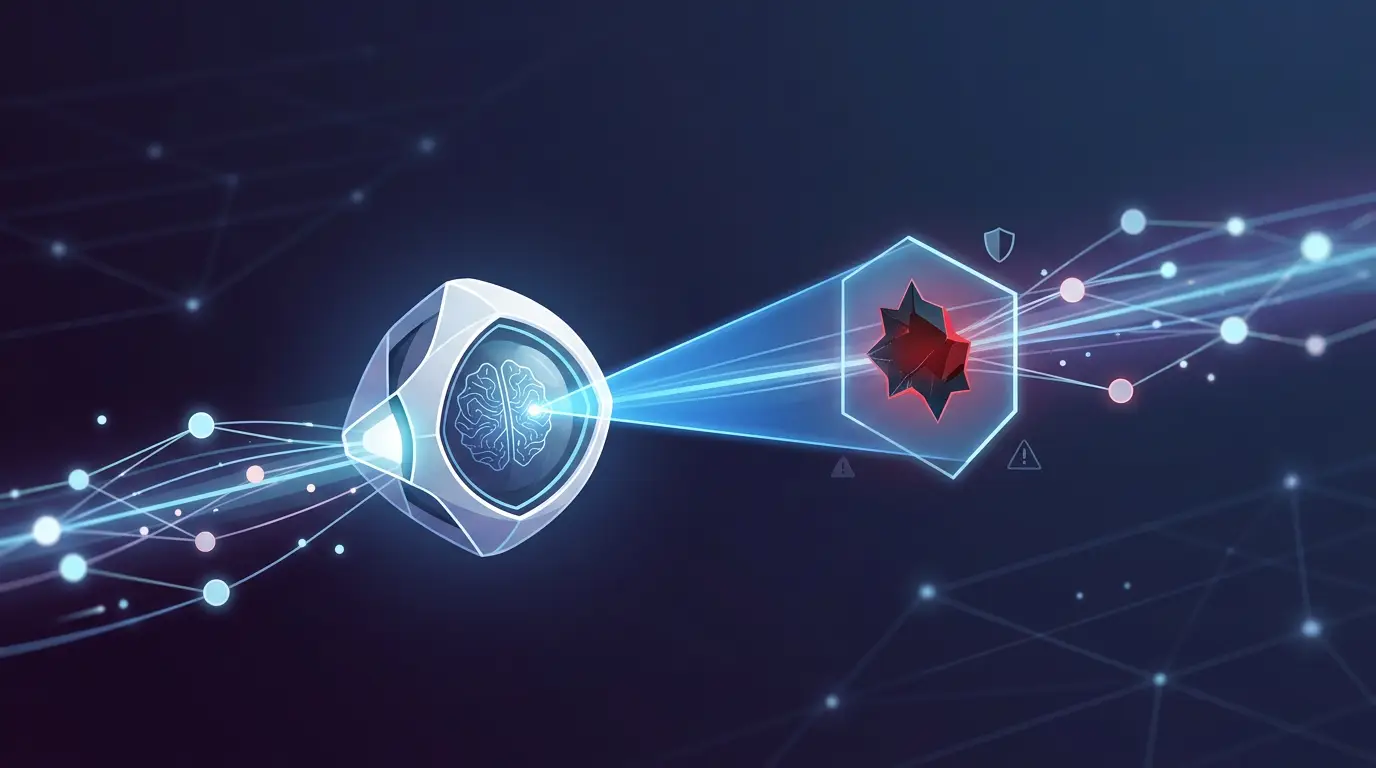
AI-powered threat detection uses machine learning and behavioral analytics to identify and neutralize cyber threats in real time—faster and more accurately than traditional security systems. Organizations that deploy AI-driven cybersecurity tools gain a measurable advantage in reducing breach response times and minimizing attack damage.
Cyberattacks are growing more sophisticated by the day. Traditional rule-based security systems—designed to flag known threats—struggle to keep pace with adversaries who constantly evolve their tactics. The result? Undetected intrusions, costly breaches, and overwhelmed security teams.
AI-powered threat detection addresses these gaps directly. By analyzing vast volumes of network data, identifying anomalies, and responding autonomously to suspicious activity, AI-driven cybersecurity platforms are reshaping how organizations protect their digital infrastructure. This post breaks down how AI threat detection works, its key benefits, how it compares to conventional approaches, and what to look for when evaluating a solution.
How Does AI-Powered Threat Detection Work?
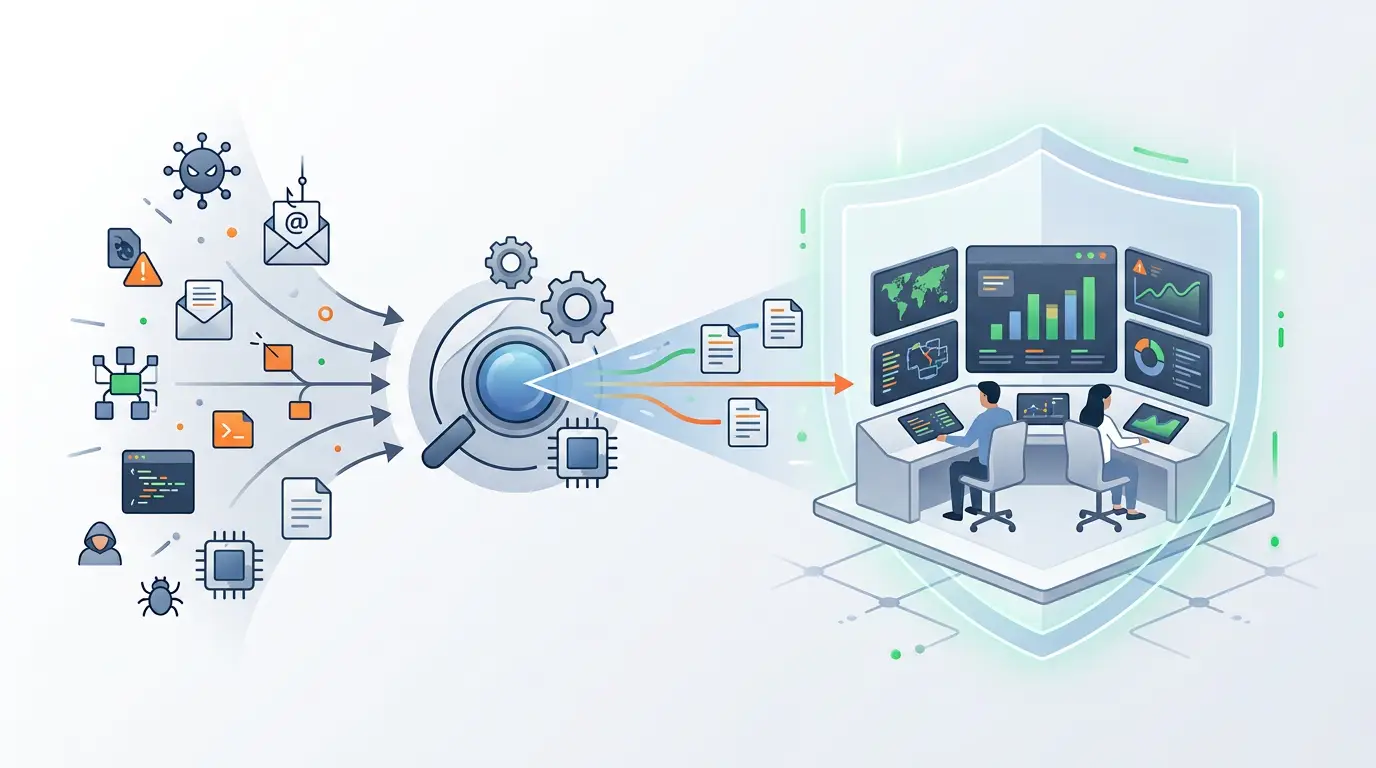
AI-powered threat detection platforms continuously monitor network traffic, user behavior, and endpoint activity. Rather than relying solely on pre-defined signatures or known attack patterns, these systems use machine learning models trained on large datasets to recognize what "normal" looks like—and flag anything that deviates from it.
Core Technologies Behind AI Threat Detection
- Machine Learning (ML): Algorithms learn from historical data to predict and classify threats, including zero-day attacks that have no prior signature.
- Behavioral Analytics: AI builds baseline profiles for users and devices, detecting anomalies such as unusual login times, unexpected data transfers, or lateral movement across a network.
- Natural Language Processing (NLP): Used to analyze phishing emails and social engineering content for malicious intent.
- Automated Response (SOAR Integration): Many platforms integrate with Security Orchestration, Automation, and Response (SOAR) tools to contain threats without human intervention.
These technologies work in concert, enabling systems to detect threats that would otherwise go unnoticed for days—or weeks.
Key Benefits of AI-Powered Cybersecurity
Faster Threat Detection and Response
Speed is critical in cybersecurity. According to IBM's Cost of a Data Breach Report 2023, organizations that contain a breach within 200 days save an average of $1.02 million compared to those that take longer. AI-powered systems can detect and flag anomalies in milliseconds, drastically compressing response windows.
Reduction in False Positives
Security teams are frequently overwhelmed by alert fatigue—the result of too many false positives from legacy systems. AI models, trained on contextual data, significantly reduce noise by distinguishing genuine threats from routine activity. This allows security analysts to focus their attention where it matters most.
Scalability Across Complex Environments
Modern enterprise networks are vast and distributed, spanning cloud environments, remote endpoints, and on-premises infrastructure. AI-powered platforms scale seamlessly across these environments, providing unified visibility without requiring proportional increases in headcount.
Continuous Learning and Adaptation
Unlike static rule sets, AI models continuously update as new threat intelligence becomes available. This means the system grows smarter over time, adapting to emerging attack techniques without requiring manual rule updates.
AI Threat Detection vs. Traditional Security Systems
The table below outlines the key differences between AI-powered and traditional threat detection approaches:
| Feature | AI-Powered Detection | Traditional Detection |
|---|---|---|
| Threat identification | Known + unknown threats | Known threats only |
| Response time | Milliseconds (automated) | Minutes to hours |
| False positive rate | Low | High |
| Adaptability | Continuous learning | Manual rule updates |
| Scalability | High | Limited |
| Human oversight required | Reduced | Extensive |
Choose AI-powered threat detection if your organization operates across hybrid or cloud environments, handles sensitive data, or lacks the security headcount to manage high alert volumes manually.
Traditional systems may suffice in highly controlled, low-complexity environments—though even in these cases, AI augmentation is increasingly recommended as a baseline.
What to Look for in an AI-Powered Threat Detection Solution
Not all AI cybersecurity platforms are equal. When evaluating solutions, prioritize the following:
- Explainability: The platform should provide clear reasoning for each alert, enabling analysts to validate and act on findings confidently.
- Integration capabilities: Ensure compatibility with your existing SIEM, SOAR, and endpoint tools.
- Real-time processing: Look for platforms capable of analyzing data streams without latency.
- Compliance alignment: For regulated industries, confirm the solution supports frameworks such as ISO 27001, NIST, or NCA ECC.
- Vendor track record: Evaluate deployment case studies, third-party certifications, and support responsiveness.
Strengthen Your Security Posture Today
AI-powered threat detection represents a fundamental shift in how organizations approach cybersecurity. The combination of speed, adaptability, and precision that AI delivers is not a luxury—it is increasingly a necessity for any organization operating in a threat-dense digital environment.
Engaging a qualified technology partner can accelerate your transition to AI-driven security by ensuring solutions are properly configured, integrated, and aligned with your compliance requirements. The right partner brings both the technical expertise and the ongoing support to help your team stay ahead of evolving threats.
Frequently Asked Questions
-
What is AI-powered threat detection in cybersecurity?
AI-powered threat detection uses machine learning, behavioral analytics, and automated response tools to identify and neutralize cyber threats in real time. Unlike traditional systems that rely on known threat signatures, AI-powered platforms detect novel and evolving attacks by analyzing patterns and anomalies across network data.
-
How does AI reduce false positives in cybersecurity?
AI systems build contextual baselines for normal user and device behavior. When an alert is triggered, the system cross-references it against these baselines before escalating, filtering out routine activity that would otherwise generate false alarms in legacy rule-based systems.
-
Is AI-powered threat detection suitable for small and mid-sized businesses?
Yes. Many AI cybersecurity platforms offer scalable, cloud-based deployment models that make them accessible to organizations of varying sizes. Smaller teams particularly benefit from AI's automation capabilities, which reduce the need for large in-house security operations centers.
-
How does AI threat detection handle zero-day vulnerabilities?
Because AI models are trained to detect behavioral anomalies rather than known signatures, they can identify zero-day attacks—exploits with no prior documentation—by recognizing that activity deviates from established patterns, even when the specific attack vector is new.
-
What is the difference between AI threat detection and traditional SIEM tools?
Traditional Security Information and Event Management (SIEM) tools aggregate and correlate logs from known sources, requiring manual rule configuration. AI-powered platforms augment or replace this with adaptive learning models that automatically surface threats, prioritize alerts by risk level, and—when integrated with SOAR—initiate automated containment responses.