Shopping Cart



Dark Web Monitoring: Should Saudi Businesses Invest?
Discover how dark web monitoring helps Saudi businesses detect exposed credentials, prevent data breaches, and strengthen cybersecurity against emerging threats.
By Blue Edge Team | Jul 01, 2026

Dark Web Monitoring: Should Saudi Businesses Invest?
Quick answer: Yes. Saudi businesses face an escalating volume of dark web threats—from stolen credentials and ransomware leaks to corporate database sales. Dark web monitoring enables organizations to detect these exposures early, often reducing breach detection time from 168 days to as few as 15, and supports compliance with Saudi Arabia's PDPL and NCA regulations.
Saudi Arabia's digital economy is expanding rapidly under Vision 2030. With that growth comes a parallel expansion in cyber risk. Dark web forums have become active marketplaces for stolen Saudi corporate and government data—and the volume of activity is accelerating in 2025.
According to CYFIRMA's 2025 Cyber Threat Landscape Report for Saudi Arabia, threat actors have sharply increased the sale of Saudi government and corporate data assets on underground forums. Sectors targeted most aggressively include government institutions, financial services, healthcare, and transportation. Meanwhile, IBM's 2025 Cost of a Data Breach Report found that the average cost of a data breach for Middle East businesses reached SAR 27 million—even after an 18% year-on-year decrease driven partly by AI-powered security adoption.
For Saudi businesses, dark web monitoring is no longer a discretionary tool. It is a foundational component of modern cyber defense.
What Is Dark Web Monitoring and How Does It Work?
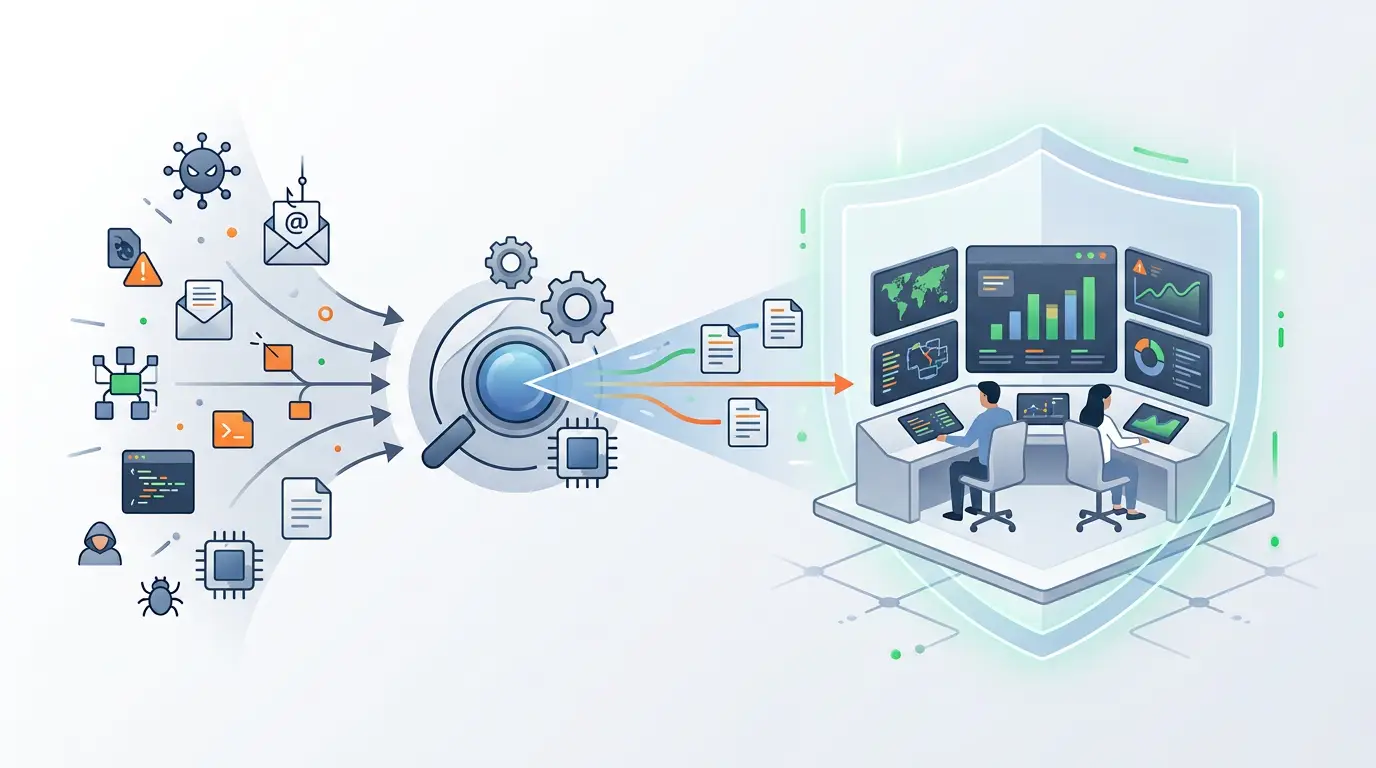
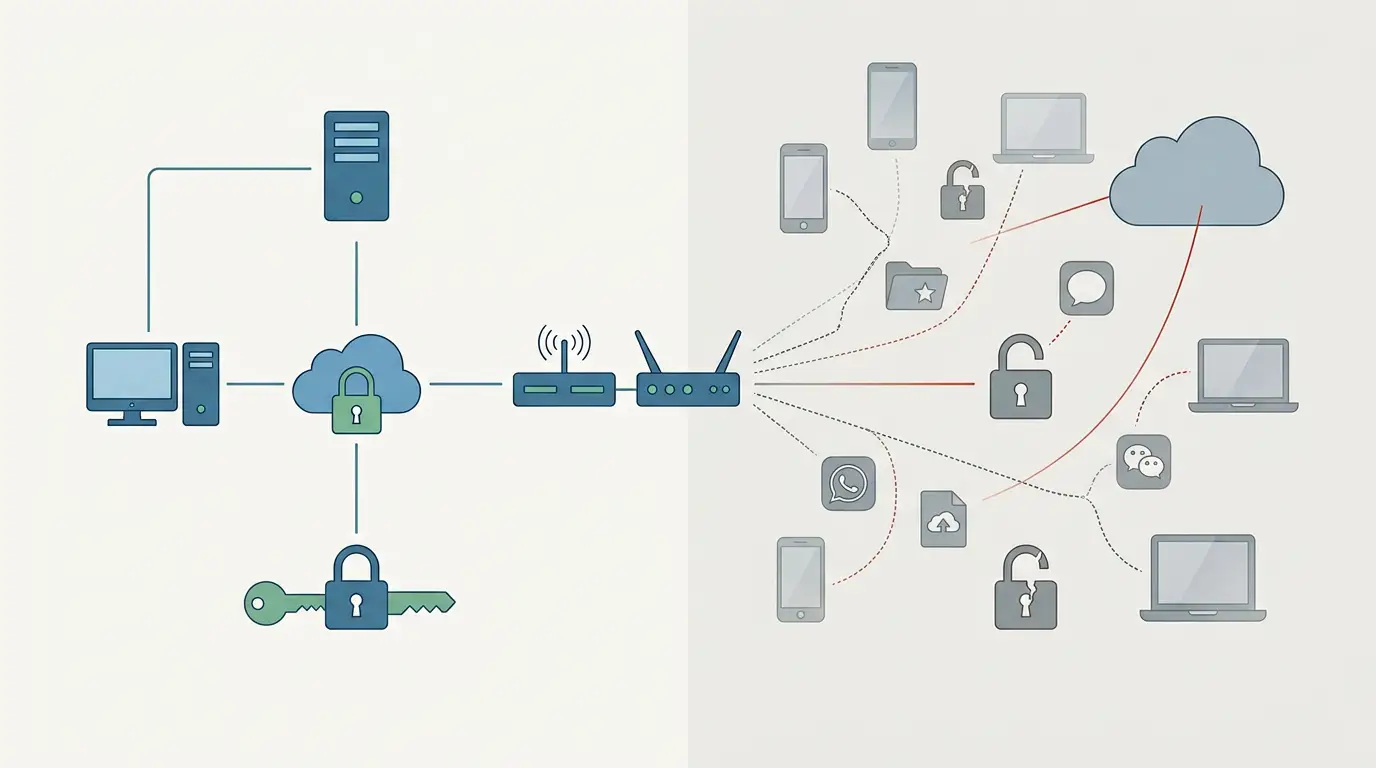
Dark web monitoring is the continuous process of scanning hidden areas of the internet—including Tor networks, I2P forums, ZeroNet, ransomware leak sites, and encrypted peer-to-peer channels—for data connected to your organization. This includes stolen credentials, leaked databases, executive information, corporate documents, and brand impersonation activity.
Modern dark web monitoring platforms use a combination of machine learning (ML), natural language processing (NLP), and human analyst review to identify and surface relevant exposures. When a threat is detected, organizations receive prioritized alerts that enable rapid response before attackers can exploit the compromised data.
Leading platforms operating in this space include ZeroFox, Digital Shadows, Cyble, Recorded Future, and Flare. KSA-specific providers such as IT Butler and Resecurity combine global threat intelligence with local regulatory knowledge, ensuring monitoring outputs align with NCA guidelines and Saudi Arabia's Personal Data Protection Law (PDPL).
Why Are Saudi Businesses Being Targeted on the Dark Web?
Saudi Arabia's economic prominence, rapid digitization, and geopolitical profile make its organizations attractive targets for cybercriminals and hacktivists alike.
The scale of documented incidents in 2025 alone illustrates this clearly:
- July 2025: A threat actor advertised the sale of 690,000 Saudi bank account records on a Chinese cybercrime forum for $420.
- September 2025: A database of approximately 150,000 Saudi recruitment records—including passport numbers, health conditions, and financial details—was sold for $290 on an underground forum.
- March 2025: 11 GB of sensitive data from a Saudi government agency was listed for sale on a Tor-based forum, including classified files and internal communications.
- July 2025: The Qilin ransomware group claimed to have stolen 3.1 million files (816.8 GB) from a multinational retailer with significant Saudi operations.
- August 2025: The Shadow Cyber Unit leaked login credentials for multiple Saudi government platforms, including the Ministry of Education and the Ministry of Human Resources.
Beyond individual incidents, nearly 10 million stolen credentials from across the Middle East were found on the dark web in the past year alone, according to Al Fuzail. Government, financial services, and healthcare organizations remain the most targeted sectors—yet no industry is immune.
What Are the Real-World Consequences of Undetected Dark Web Exposure?
The consequences of undetected dark web exposure extend well beyond immediate data loss. Without active monitoring, the average organization takes 168 days to detect a breach. With dark web monitoring in place, that detection window shrinks to 15 days. The difference is significant: fewer records compromised, lower remediation costs, and reduced regulatory exposure.
Consider the financial implications. IBM's 2025 data shows that lost business accounted for SAR 11.63 million of the average Middle East breach cost—the single largest cost category. Post-breach response added SAR 7.50 million. These figures represent real operational damage that accumulates silently when exposures go undetected.
For Saudi organizations, there are also regulatory consequences to weigh. Saudi Arabia's Personal Data Protection Law (PDPL) and the National Cybersecurity Authority's frameworks—including NCNICC-1:2025—impose obligations on organizations to protect personal data and demonstrate appropriate security measures. Failure to detect and respond to a breach in a timely manner can increase an organization's exposure to regulatory penalties.
How Does Dark Web Monitoring Protect Saudi Organizations?
Dark web monitoring provides layered protection across several critical areas:
- Credential leak detection: Identifies compromised employee or customer credentials before attackers use them to access systems.
- Brand protection: Detects phishing sites, domain spoofing, and impersonation campaigns using your organization's name.
- Executive and VIP monitoring: Flags targeted threats against senior leadership, enabling a rapid and coordinated response.
- Third-party and vendor risk: Surfaces breaches linked to suppliers and partners whose exposure could affect your operations.
- Ransomware leak detection: Provides early warning when ransomware groups list your organization as a victim on their leak sites—often before public disclosure.
- Compliance support: Generates reporting aligned with NCA, PDPL, and international standards such as ISO 27001.
The most effective implementations integrate dark web monitoring feeds directly with Security Information and Event Management (SIEM) and Endpoint Detection and Response (EDR) systems, enabling automated alerting and coordinated incident response.
Is Dark Web Monitoring Worth the Investment for Saudi Businesses?
The business case is grounded in measurable outcomes. Organizations that deploy dark web monitoring consistently demonstrate:
- Faster threat identification: Detection time reduced from months to days, which directly limits the volume of data compromised and the cost of remediation.
- Reduced records lost per incident: Average records lost drop from approximately 98,000 to 17,000 when monitoring is in place.
- Lower regulatory risk: Documented monitoring activity demonstrates due diligence under PDPL and NCA requirements.
- Stronger stakeholder confidence: Faster breach notification and containment build trust with customers, partners, and regulators.
For organizations in the financial, energy, healthcare, or government-adjacent sectors—those facing the highest breach costs and the most active targeting—the investment case is particularly strong. IBM's 2025 data recorded average breach costs of SAR 34 million for the financial sector and SAR 32 million for energy and industrial organizations in the Middle East. Against those figures, proactive monitoring represents a proportionate and prudent investment.
Even for smaller businesses, the low price at which stolen data is traded on dark web forums—$290 for 150,000 records, $420 for nearly 700,000 bank accounts—demonstrates how accessible and low-cost these attacks have become for threat actors. The asymmetry between attacker cost and victim impact makes early detection essential.
Take Action Before Threat Actors Do
Dark web threats do not resolve themselves. Data listed for sale on underground forums can be exploited repeatedly over months or years, with each subsequent use compounding the original damage. Saudi organizations that implement continuous dark web monitoring gain the intelligence advantage needed to respond before that exploitation begins.
Assess your current exposure. Engage a qualified dark web monitoring provider. Align your monitoring strategy with Saudi Arabia's PDPL and NCA requirements. The organizations that act now will be better positioned to protect their people, their data, and their reputation as the Kingdom's digital economy continues to grow.
Contact our team today to assess your organization's dark web exposure and implement a monitoring strategy aligned with Saudi cybersecurity regulations.
Frequently Asked Questions
-
What is dark web monitoring and why do Saudi businesses need it?
Dark web monitoring is the continuous scanning of hidden online channels—including Tor forums, ransomware leak sites, and encrypted marketplaces—for data linked to your organization. Saudi businesses need it because threat actors are actively selling Saudi corporate data, credentials, and system access on these platforms. In 2025, documented incidents included government credential leaks, bank account databases, and recruitment records sold for as little as $290.
-
How quickly can dark web monitoring detect a data breach in Saudi Arabia?
Organizations with active dark web monitoring detect breaches in an average of 15 days, compared to 168 days without monitoring, according to data cited by Al Fuzail. This faster detection significantly limits the volume of data compromised and reduces the overall cost of incident response.
-
Which Saudi industries face the highest risk from dark web threats?
According to CYFIRMA's 2025 Saudi Arabia Cyber Threat Landscape Report, government institutions, financial services, healthcare, and transportation are the most frequently targeted sectors. IBM's 2025 Cost of a Data Breach Report further identifies the financial sector (SAR 34 million average breach cost) and energy and industrial sector (SAR 32 million) as carrying the highest financial exposure in the Middle East.
-
Does dark web monitoring help Saudi businesses comply with the PDPL and NCA regulations?
Yes. Dark web monitoring supports compliance with Saudi Arabia's Personal Data Protection Law (PDPL) and National Cybersecurity Authority (NCA) frameworks—including NCNICC-1:2025—by enabling early breach detection, generating compliance-aligned reporting, and demonstrating proactive security governance. KSA-based providers such as IT Butler and Resecurity offer monitoring services tailored specifically to these regulatory requirements.
-
How much does a data breach cost Saudi businesses on average?
According to IBM's 2025 Cost of a Data Breach Report, the average cost of a data breach for organizations in the Middle East reached SAR 27 million in 2025. Lost business accounted for SAR 11.63 million of that total, with post-breach response costs adding a further SAR 7.50 million. Financial sector organizations faced the highest average breach costs at SAR 34 million.