Shopping Cart


What Is Edge Computing and How Does It Power IoT?
Learn how edge computing for IoT enables real-time data processing, reduces latency, improves security, and powers smarter, faster, and more reliable connected devices.
By Blue Edge Team | Jun 29, 2026
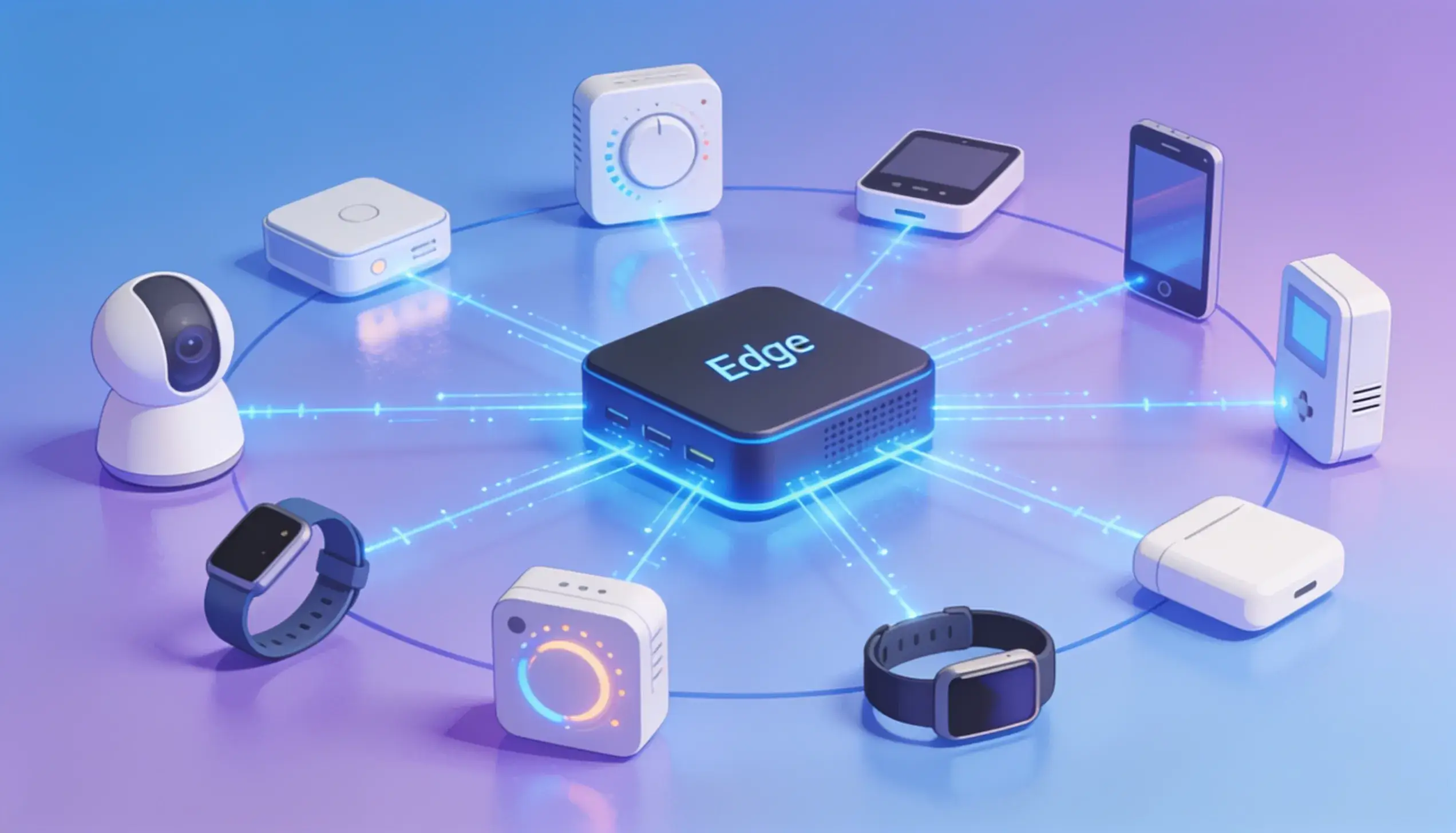
What Is Edge Computing and How Does It Power IoT?
Edge computing processes data near the source—on devices, gateways, or local servers—rather than sending it to a distant cloud data center. For IoT systems, this means faster decisions, lower latency, reduced bandwidth costs, and greater reliability. The global edge computing market is projected to reach $328 billion by 2033, driven largely by IoT adoption.
The number of IoT-connected devices worldwide reached approximately 18 billion by the end of 2025, according to IoT Analytics. Every one of those devices generates data—continuously. Sending all of it to a centralized cloud for processing is neither efficient nor practical. Networks become congested, response times slow, and the cost of data transmission climbs.
Edge computing solves this problem by moving data processing closer to where data is actually created. The result is a faster, leaner, and more resilient IoT infrastructure. Understanding how these two technologies work together is essential for any organization operating connected systems at scale.
What Is Edge Computing?
Edge computing is a distributed computing framework that brings data processing and application logic closer to the devices generating the data, rather than routing everything through a centralized cloud data center.
The term "edge" refers to the network's periphery—where devices, sensors, and machines interact with the physical world. By processing data at or near this boundary, edge computing dramatically reduces the time it takes to act on information.
According to Fortune Business Insights, the global edge computing market is expected to reach USD $182 billion within six years, growing at a compound annual growth rate of 38.2%. Grand View Research projects the market will reach $328 billion by 2033. These figures reflect the scale at which industries are moving away from pure cloud dependency.
What Is IoT and Why Does It Require Edge Computing?
The Internet of Things (IoT) refers to a network of physical devices embedded with sensors, software, and connectivity that allows them to collect and exchange data. Examples range from smart thermostats and industrial machinery sensors to autonomous vehicles and remote patient monitors.
IoT devices generate massive volumes of data in real time. Routing all of that data to a cloud data center before any action is taken introduces unacceptable delays for many applications. An autonomous vehicle cannot wait 200 milliseconds for a cloud server to confirm that the road ahead is clear. A factory sensor detecting dangerous equipment vibration needs to trigger a shutdown in milliseconds—not seconds.
This is precisely where edge computing becomes essential. Edge computing enables IoT devices to process and act on data locally, reducing reliance on cloud round-trips for time-critical decisions.
How Does Edge Computing Power IoT? A Step-by-Step Breakdown
Understanding the architecture helps clarify why edge computing and IoT are so closely linked. Most IoT edge deployments follow a consistent flow:
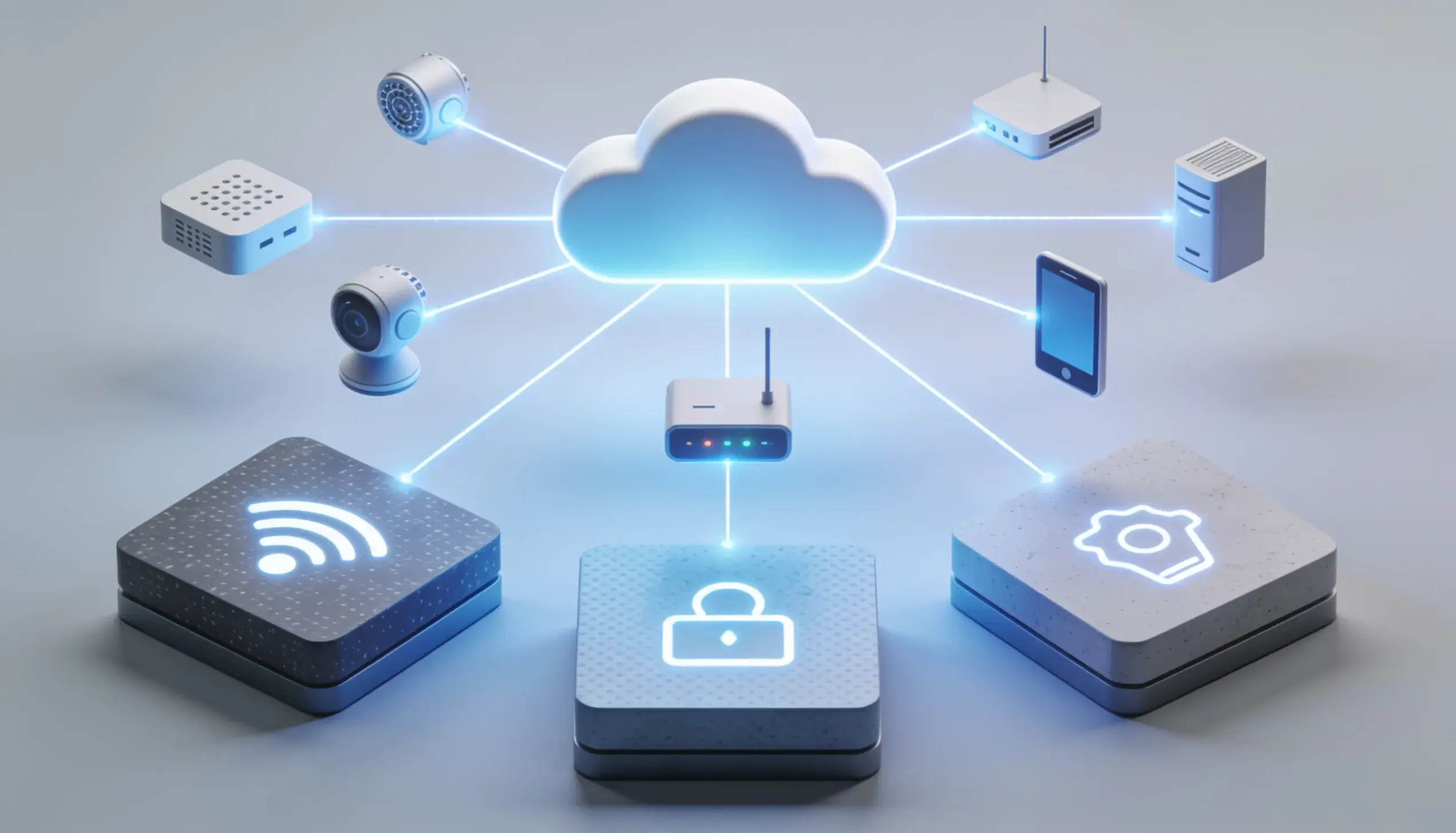
Device → Gateway → Edge System → Cloud
Here is what happens at each stage:
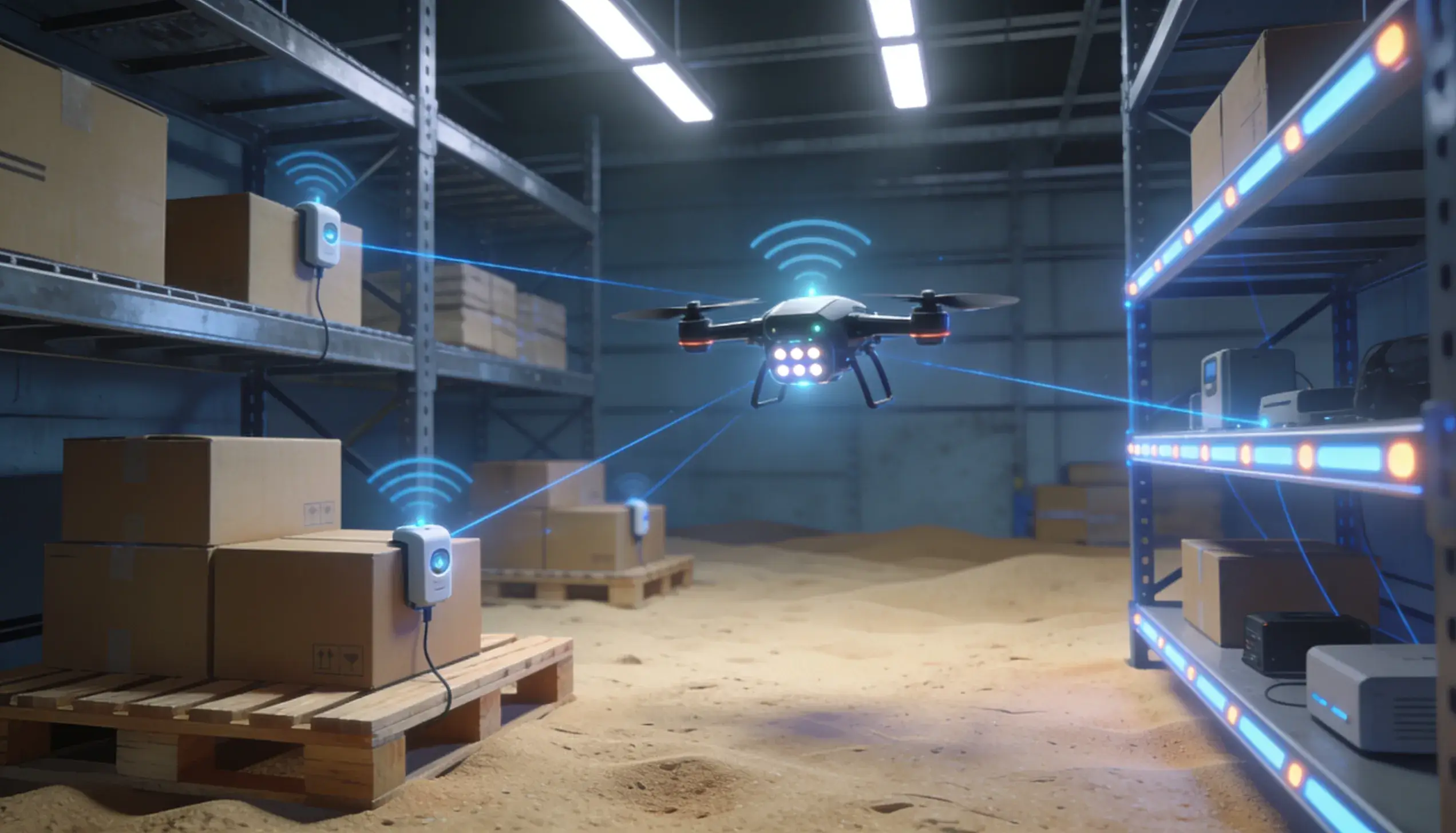
- Data collection: A sensor on an IoT device captures real-world data—temperature, pressure, motion, video, or any number of other signals.
- Local processing: A gateway or nearby edge server receives and analyzes the data using local computing resources, without transmitting it to a distant data center.
- Data filtering: The edge system filters raw input, discarding irrelevant data and retaining only what requires action or further analysis. This reduces bandwidth consumption significantly.
- Automated decision-making: Based on pre-defined rules or machine learning models, the edge system triggers automated responses. Examples include shutting down overheating equipment, rerouting autonomous vehicles, or issuing patient health alerts.
- Selective cloud upload: Only the most relevant data—trends, anomalies, summaries—is forwarded to the cloud for long-term storage, centralized analytics, and model training.
This architecture ensures that time-sensitive operations happen locally while the cloud continues to serve its strengths: fleet-wide reporting, historical analytics, and large-scale data storage.
What Are the Key Benefits of Edge Computing for IoT?
According to a Forrester survey, 54% of respondents cited edge computing's flexibility in handling current and future AI demands as a primary benefit, while 46% highlighted its ability to bypass network latency.
Beyond those findings, the benefits are broad:
- Reduced latency: Processing data at the edge eliminates the time required to travel to and from a cloud data center, enabling near-instantaneous responses.
- Lower costs: Edge filtering reduces the volume of data sent to the cloud, cutting both bandwidth and cloud storage expenses. Organizations pay for what they actually need to store and process.
- Greater reliability: Edge and IoT devices are designed to continue functioning even without internet connectivity. This is critical in healthcare, transportation, and manufacturing, where downtime can have serious consequences.
- Improved security: Keeping sensitive data processing on-site reduces the exposure surface. For industries subject to data sovereignty regulations, local processing supports compliance requirements.
- Faster time to insight: Engineers and operators can react to system changes in real time, enabling predictive maintenance strategies that prevent unplanned downtime before it occurs.
Where Is Edge Computing Used in IoT Today?
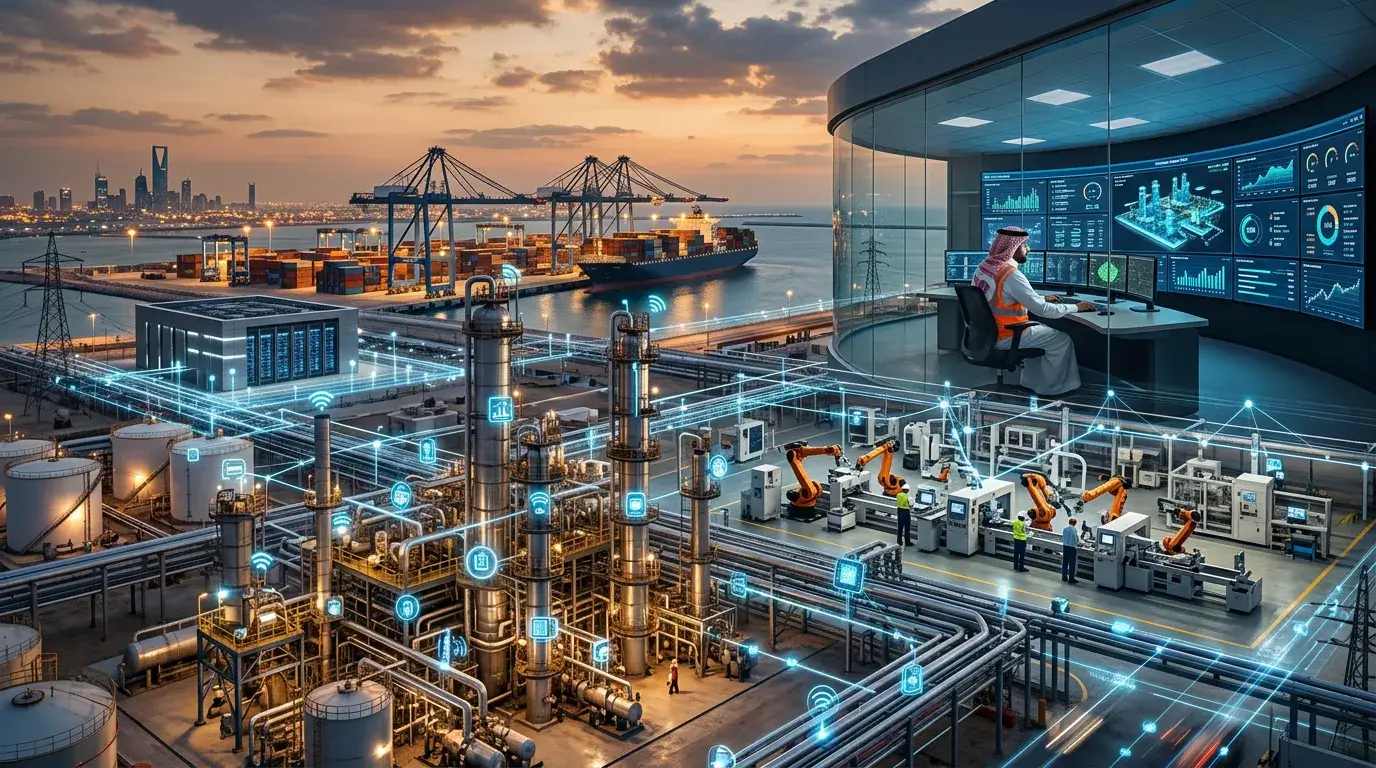
Industrial IoT holds the largest share of edge computing applications at 30%, according to Market.us, followed by smart cities at 23% and content delivery at 17%. The use cases span nearly every sector.
Predictive Maintenance in Manufacturing
IoT sensors monitor equipment vibration, heat, and performance in real time. Edge systems detect anomalies and trigger maintenance actions before a failure occurs, reducing unplanned downtime and repair costs.
Remote Patient Monitoring in Healthcare
Edge computing enables healthcare providers to monitor vital signs and chronic conditions remotely. Alerts are generated and transmitted locally, ensuring immediate response times without depending on cloud availability. The healthcare edge computing market reached $1.12 billion in 2021 and is projected to grow at a CAGR of 38.1% through 2028, according to Market.us.
Smart Cities
Local governments use IoT sensors attached to roads, traffic systems, power grids, and emergency services. Edge computing processes this data locally, enabling real-time optimization of traffic flow, energy usage, and public safety systems.
Autonomous Vehicles
Self-driving cars and drones must respond to environmental changes within milliseconds. Edge computing processes sensor data on the vehicle itself, reducing dependence on cloud connectivity and enabling safe, real-time navigation decisions.
Supply Chain and Cold-Chain Management
Temperature-sensitive logistics operations use edge computing to monitor conditions and trigger local alerts when thresholds are breached—without waiting for cloud confirmation, and without losing visibility during network outages.
The Road Ahead for Edge Computing and IoT
The trajectory is clear. Statista projects 29.42 billion IoT-connected devices by 2030. With 5G networks expanding global connectivity and AI capabilities being embedded directly into edge hardware, the processing power available at the edge will continue to grow.
Edge computing does not replace cloud infrastructure—it makes cloud infrastructure more effective. The most performant IoT architectures use both: edge systems handle real-time, location-sensitive decisions, while the cloud manages centralized analytics, fleet-wide visibility, and long-term data strategy.
Organizations that establish edge computing capabilities now will be better positioned to scale their IoT operations efficiently, securely, and with the performance their applications demand.
Build your IoT edge infrastructure with confidence. Explore how modern edge computing solutions can be integrated into your operations—contact our team to get started.
Frequently Asked Questions
-
What is the difference between edge computing and cloud computing in IoT?
Edge computing processes data locally, near the IoT device, enabling near-instantaneous responses without cloud round-trips. Cloud computing centralizes processing in remote data centers, which is well-suited for long-term analytics and fleet-wide reporting. Most effective IoT systems use a hybrid model—edge for real-time decisions, cloud for strategic insights.
-
What types of IoT devices use edge computing?
Edge computing supports a wide range of IoT devices, including industrial sensors, smart cameras, autonomous vehicles, medical monitoring equipment, environmental sensors, and connected infrastructure in smart cities. Any device that requires fast local decisions benefits from edge processing.
-
Does edge computing eliminate the need for cloud infrastructure?
No. Edge computing and cloud infrastructure are complementary, not competing. Edge systems handle time-sensitive and location-specific processing, while the cloud manages centralized reporting, historical data analysis, and large-scale storage. The two work together within a unified architecture.
-
How does edge computing improve IoT security?
By keeping sensitive data processing on-site rather than transmitting raw data to external servers, edge computing reduces the attack surface. IoT gateways can encrypt data in transit, and local control ensures that sensitive information—such as medical or financial data—is only shared upstream in de-identified or summarized form.
-
What industries benefit most from edge computing in IoT?
Manufacturing, healthcare, transportation, retail, and smart city infrastructure are among the highest-adopting sectors. Industrial IoT alone accounts for 30% of edge computing application market share (Market.us). Any industry managing distributed devices, requiring real-time responsiveness, or operating in locations with intermittent connectivity stands to benefit significantly.