Shopping Cart


- Articles
- Cybersecurity
- How to Secure Your Office Network in Saudi Arabia | KSA Guide
How to Secure Your Office Network in Saudi Arabia | KSA Guide
Learn how to secure your office network in Saudi Arabia. Protect business data, prevent cyber threats, and ensure safe operations for companies across KSA.
By Blue Edge Team | Published Apr 13, 2026 | Updated Sep 23, 2026 | 4 min read
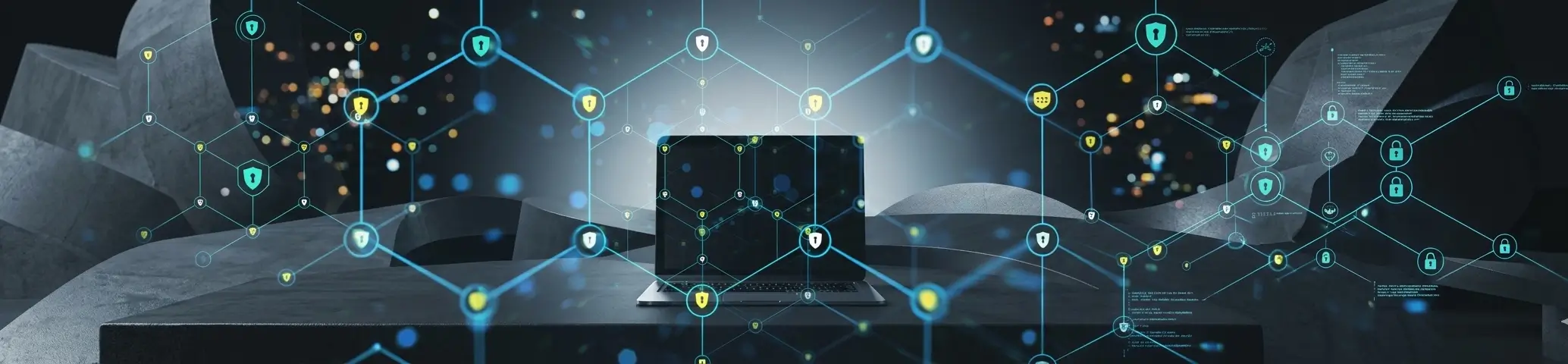
Securing your office network in Saudi Arabia refers to protecting your IT infrastructure from cyber threats. Businesses in KSA use this to safeguard sensitive data, ensure business continuity, and maintain compliance with local regulations.
- Protects sensitive corporate data from unauthorized external access.
- Ensures uninterrupted daily business operations and prevents costly downtime.
- Aligns your company with strict Saudi Vision 2030 security standards.
What is Office Network Security?
In simple terms, office network security is the process of keeping your digital assets safe. The short answer is that it blocks cyber threats from entering your system.
It involves using specialized hardware and software to protect your company data. This stops unauthorized users from accessing your sensitive network.
It also prevents malicious software from disrupting your daily operations. A secure network acts as a digital shield for your company. It gives you complete peace of mind.
Why Network Security Matters in Saudi Arabia
Securing your office network is vital for business growth in KSA. Saudi Vision 2030 drives a massive digital transformation across the country.
This rapid change brings increasing competition in the market. It also brings more sophisticated cyber threats. Therefore, companies in Riyadh, Jeddah, and Dammam must protect their infrastructure.
A data breach can cause severe financial and reputational damage. By prioritizing security, businesses across Saudi Arabia build trust with their clients. They also ensure they meet strict national compliance standards. To understand the full scope of risks your business may face, explore top cybersecurity threats in Saudi Arabia.
How It Works: Steps to Secure Your Network
Here's how it works to secure your office network properly:
- Install a strong firewall: This blocks unauthorized external traffic from entering.
- Update your antivirus software: This prevents malware and dangerous ransomware attacks. Our NinjaOne Endpoint Security solution helps automate and enforce endpoint protection across all devices.
- Enable secure Wi-Fi: Use strong WPA3 encryption for your wireless networks. Proper cabling and networking solutions form the physical foundation of a secure office environment.
- Train your employees: Teach your staff to recognize dangerous phishing emails.
- Set up constant monitoring: Track your network for unusual daily activity. Our NinjaOne Remote Management platform enables continuous visibility across your entire IT environment.
Use Cases in Saudi Arabia
Many growing businesses in KSA use network security daily. Businesses in Riyadh use it when handling highly sensitive financial data. Companies in Jeddah rely on it for managing daily corporate operations safely. E-commerce businesses in KSA need strong security for processing customer transactions. Startups in Dammam use secure networks when scaling their infrastructure. Every industry benefits from a protected and reliable digital environment. Learn more about how cybersecurity supports businesses of all sizes in Saudi Arabia.
Cost and Options in Saudi Arabia
The cost of securing your office network varies. It depends on your company size and specific security needs. For a detailed breakdown, read our guide on cybersecurity costs in Saudi Arabia. You can choose between hiring a freelancer or partnering with an agency. An agency is always more reliable for long-term growth. Agencies provide comprehensive support and ongoing network monitoring. Freelancers might lack the resources for 24/7 threat detection. Investing in a professional agency ensures your network remains secure as you scale. Our NinjaOne Patch Management and NinjaOne Backup solutions are designed to grow with your business at every stage.
Common Mistakes to Avoid
- Not investing in proper cybersecurity solutions for your business in KSA from the start.
- Choosing cheap or unverified IT service providers. See our IT technical consultations in KSA to get expert guidance before making decisions.
- Ignoring network scalability as the business grows.
- Skipping professional consultation for your initial IT installation and configuration.
Frequently Asked Questions
-
What is office network security in Saudi Arabia?
Office network security in Saudi Arabia refers to protecting your IT systems from cyber threats. It ensures your corporate data remains safe and private.
-
Do businesses in KSA need this?
Yes, businesses in KSA absolutely need this. It protects against data breaches and supports national digital transformation goals. Even small businesses in Saudi Arabia need cybersecurity to stay protected.
-
How much does it cost in Saudi Arabia?
The cost in Saudi Arabia depends on the size of your network. Partnering with a professional agency offers the best long-term value. Visit our cybersecurity cost guide for a more detailed look at pricing options.
-
How long does it take to implement?
Basic network security can be implemented in a few days. Comprehensive enterprise solutions may take several weeks to fully deploy. Our team offers end-to-end IT installation and configuration services in KSA to streamline the process.
-
What is the difference between a firewall and antivirus?
A firewall blocks unauthorized access to your network. Antivirus software detects and removes harmful software already inside your system. Tools like NinjaOne Endpoint Management combine both layers of protection in a unified platform.
Secure Your Business Today
We support businesses across Riyadh, Jeddah, and Dammam with reliable, scalable, and results-driven network security services designed for the KSA market. Proper IT installation and configuration in Saudi Arabia ensures your operations run smoothly without interruption. You can also benefit from our comprehensive NinjaOne Remote Monitoring and Management solutions to keep your systems updated and protected around the clock.
Businesses in Saudi Arabia looking to implement network security deserve expert guidance that ensures security, performance, and long-term growth. Contact us today to speak with our team, or request tech support to get started right away. In a competitive digital environment, having the right partner makes all the difference.
About Blue Edge
Blue Edge Company is a value-added technology distributor based in Dammam, Saudi Arabia, supplying interactive displays, smart building systems, networking infrastructure and IT security software to businesses and residential projects across the Kingdom, with installation and technical support.
Learn more about Blue Edge →Published 13 April 2026 • Last updated 23 September 2026 • This article is reviewed when standards, regulations or product guidance change.