Shopping Cart



How IP Telephony Reduces Business Costs in Saudi Arabia
Discover how IP telephony reduces business communication costs in Saudi Arabia through SIP calling, cloud telephony, reduced hardware expenses, and centralized management.
By Blue Edge Team | Jun 01, 2026
How IP Telephony Reduces Business Costs in Saudi Arabia
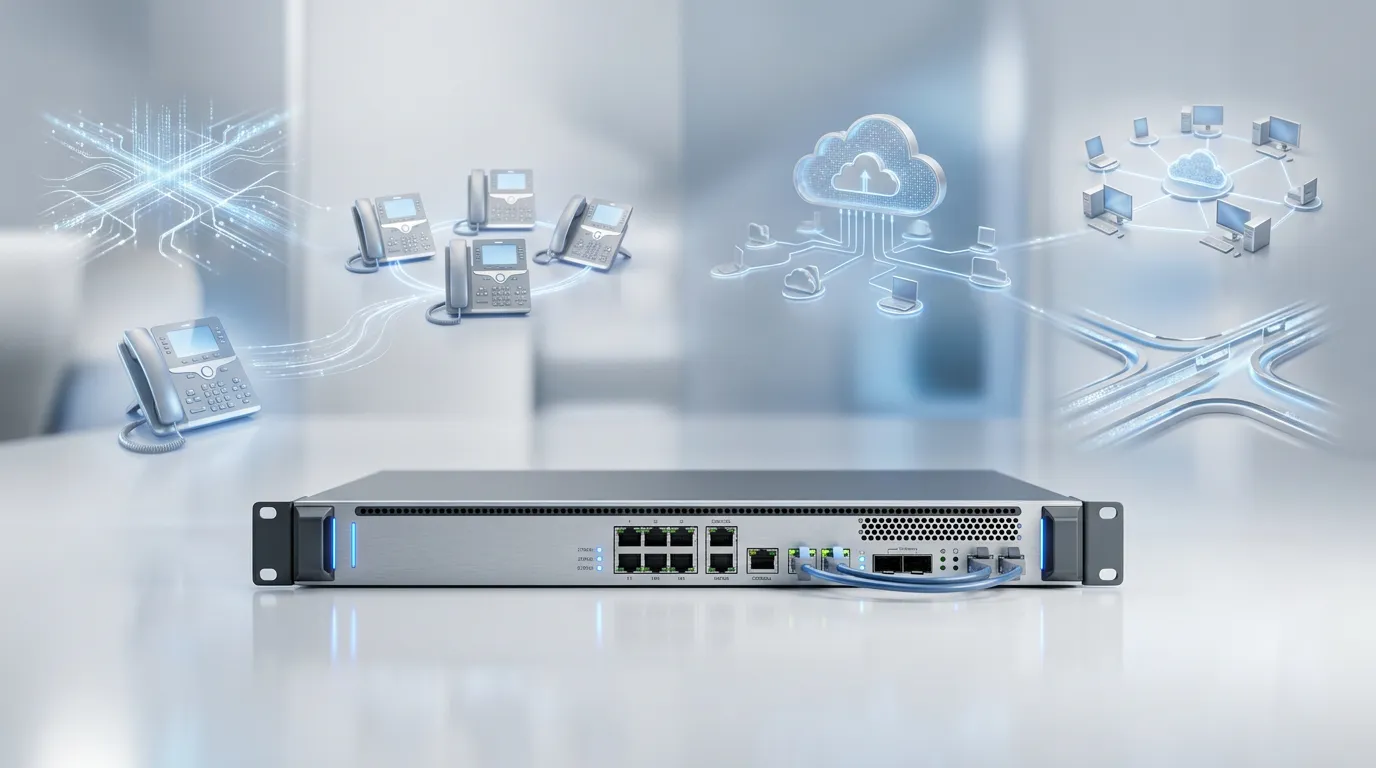
Quick answer: IP telephony reduces business communication costs in the Kingdom of Saudi Arabia by eliminating expensive legacy hardware, utilizing existing internet connections for cheaper local and international calls, and centralizing IT maintenance. Solutions provided by experts like Blue Edge for Communication and Technology (BEC) scale seamlessly, allowing organizations to only pay for the exact capacity they need.
Organizations across Saudi Arabia actively seek structured methods to optimize their operational expenses. Traditional telecommunication systems often present a significant financial burden, tying companies to restrictive contracts and expensive hardware upgrade cycles. These legacy setups limit agility and drain resources that could otherwise fund core business objectives.
Transitioning to IP telephony fundamentally shifts how your organization handles communication expenses. By transmitting voice data over the corporate network and the broader internet, businesses bypass the heavy tariffs associated with standard public switched telephone networks (PSTN). This digital infrastructure aligns perfectly with the modernization goals of Vision 2030, supporting both remote collaboration and centralized office environments.
This guide details the specific financial benefits of adopting an IP-based communication framework. You will learn exactly how these systems minimize capital expenditure, streamline operational costs, and provide a secure, high-performance foundation for your workforce.
What are the primary cost-saving mechanisms of IP telephony?
To understand the financial impact, executives must examine the structural differences between traditional phone lines and internet-based routing. The savings manifest across multiple departments, from initial procurement to daily operations.
How does removing legacy hardware decrease capital expenditure?
Traditional phone systems require dedicated Private Branch Exchange (PBX) hardware, extensive copper wiring, and specialized physical endpoints. IP telephony removes these requirements through network convergence.
- Unified Infrastructure: IP telephony utilizes your existing Local Area Network (LAN). You do not need to install and maintain a separate cabling infrastructure just for voice communication.
- Reduced Equipment Costs: Businesses can deploy softphones—software applications installed on existing computers or mobile devices—eliminating the need to purchase hundreds of physical desktop phone units.
- Lower Upfront Investment: Cloud-hosted IP systems require virtually zero on-site hardware beyond the routers and switches your organization already possesses.
Why do KSA businesses save significantly on international dialing?
Saudi enterprises frequently collaborate with global partners and regional branches. Traditional carriers charge steep per-minute rates for international and long-distance calls due to the physical routing of the connection.
- Internet-Based Routing: IP telephony converts voice into data packets, sending them over the internet. This bypasses traditional toll networks.
- Free Internal Communication: Calls between different branches of your organization, even if one office is in Riyadh and another in Dubai, route over the internet and typically cost nothing.
- Predictable Billing: Many IP telephony providers offer flat-rate monthly plans that include unlimited or high-volume international minutes, replacing unpredictable billing cycles.
How does centralized management lower IT maintenance expenses?
Maintaining a traditional PBX system requires specialized technicians, frequent site visits, and expensive ongoing maintenance contracts.
- Remote Administration: IT teams can manage the entire IP telephony network through a single, secure web-based dashboard.
- Instant Updates: Software updates and security patches deploy automatically across the network. Blue Edge for Communication and Technology (BEC) ensures that cybersecurity systems integrate smoothly with your voice network to prevent unauthorized access.
- Simplified Moves and Changes: When an employee changes desks or joins the company, administrators provision their phone extension digitally in minutes, avoiding the cost of a physical technician visit.
Should your organization choose on-premise or cloud-based IP telephony?
Selecting the correct deployment model directly impacts your return on investment. Both options provide substantial savings over traditional lines, but they suit different financial strategies.
Choose cloud-based IP telephony if:
- Your organization prefers to minimize upfront capital expenditure (CapEx) in favor of predictable monthly operational expenses (OpEx).
- You operate multiple small branches and lack a centralized, large-scale IT department.
- You require rapid deployment and the ability to scale user licenses up or down on a monthly basis.
Choose on-premise IP telephony if:
- Your enterprise already possesses a robust, highly secure data center infrastructure.
- You operate in a strictly regulated industry that mandates absolute physical control over all communication servers.
- You prefer a larger upfront capital investment to achieve the lowest possible long-term operational costs over a five-to-ten-year horizon.
Next Steps for Optimizing Your Communication Infrastructure
Modern businesses require secure, flexible, and high-performance communication systems to maintain a competitive advantage. Clinging to outdated analog infrastructure actively drains capital and limits the operational capabilities of your workforce.
Evaluate your current monthly telecommunications expenditure, including maintenance contracts and international calling fees. Identifying these costs serves as the baseline for your upgrade strategy. Partnering with industry experts ensures that your transition to digital communication is seamless and immediately profitable. Blue Edge for Communication and Technology (BEC) is ready to empower your operations by delivering cutting-edge, tested, and reliable IP telephony solutions tailored to your exact corporate requirements.
Frequently Asked Questions
-
What is the typical deployment timeline for an IP telephony system?
Cloud-based IP telephony systems can be fully deployed and operational within a few days, provided your existing internet connection is stable. On-premise solutions generally require three to six weeks for hardware procurement, network configuration, and physical installation.
-
What are the main risks associated with IP telephony?
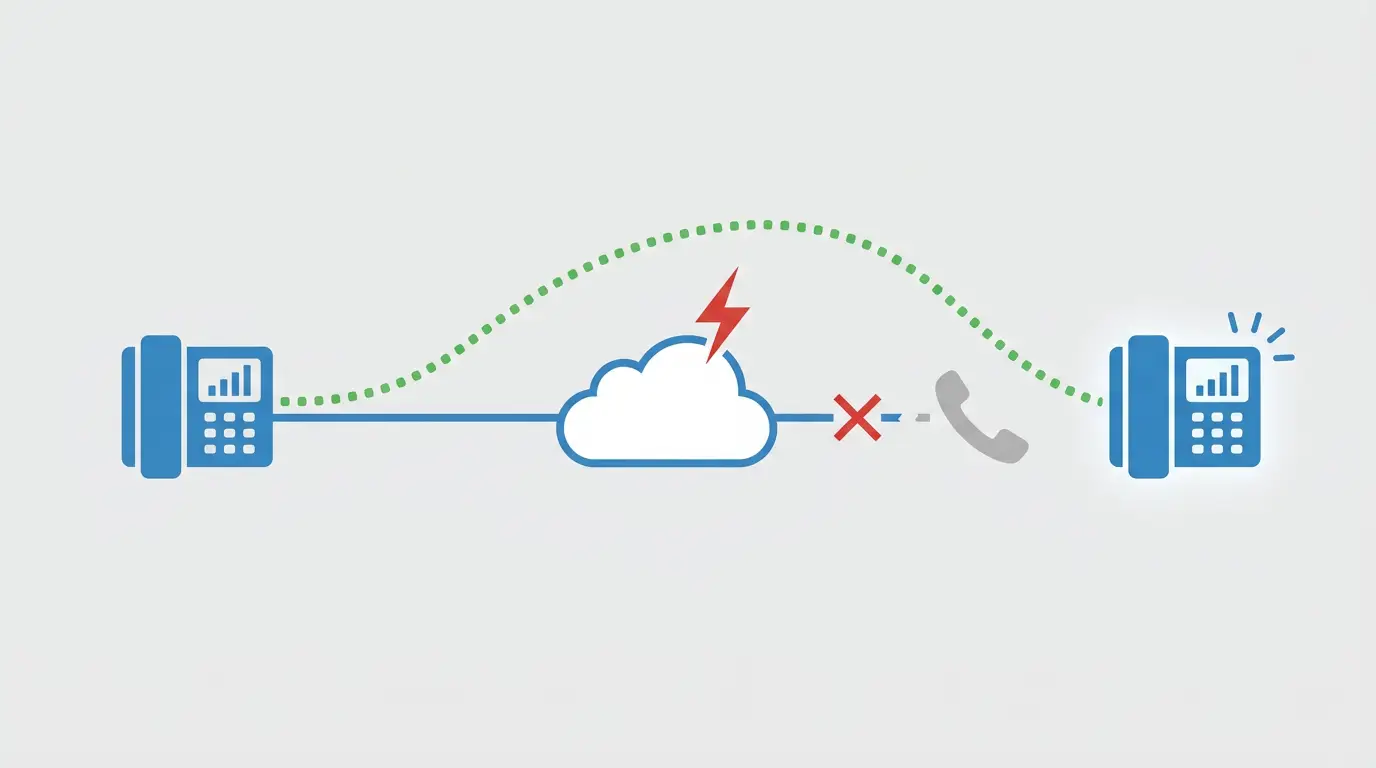
The primary risk is a dependency on internet connectivity; if your internet connection fails, your voice communication will also fail. Organizations mitigate this risk by installing redundant internet connections from different service providers and deploying robust cybersecurity systems to prevent unauthorized network access.
-
How does IP telephony integrate with smart building technologies?
IP telephony shares the same network infrastructure as modern smart building technologies, such as advanced access control and paging systems. This allows for seamless integration, enabling employees to unlock doors or broadcast announcements directly from their IP desktop phones or softphone applications.
-
Are there viable alternatives to full IP telephony upgrades?
If an organization cannot immediately replace legacy analog phones, they can install Analog Telephone Adapters (ATAs). These devices convert the analog signal into digital packets, allowing older hardware to function on a modern IP network, though this approach lacks the advanced features of native IP endpoints.