Shopping Cart


- Articles
- IP Telephony
- SIP Trunking in Saudi Arabia | Complete Business Guide
SIP Trunking in Saudi Arabia | Complete Business Guide
Learn how SIP trunking in Saudi Arabia helps businesses reduce communication costs, improve scalability, enhance reliability, and modernize enterprise telephony systems.
By Blue Edge Team | Published Jun 01, 2026 | Updated Sep 23, 2026 | 4 min read
Quick answer
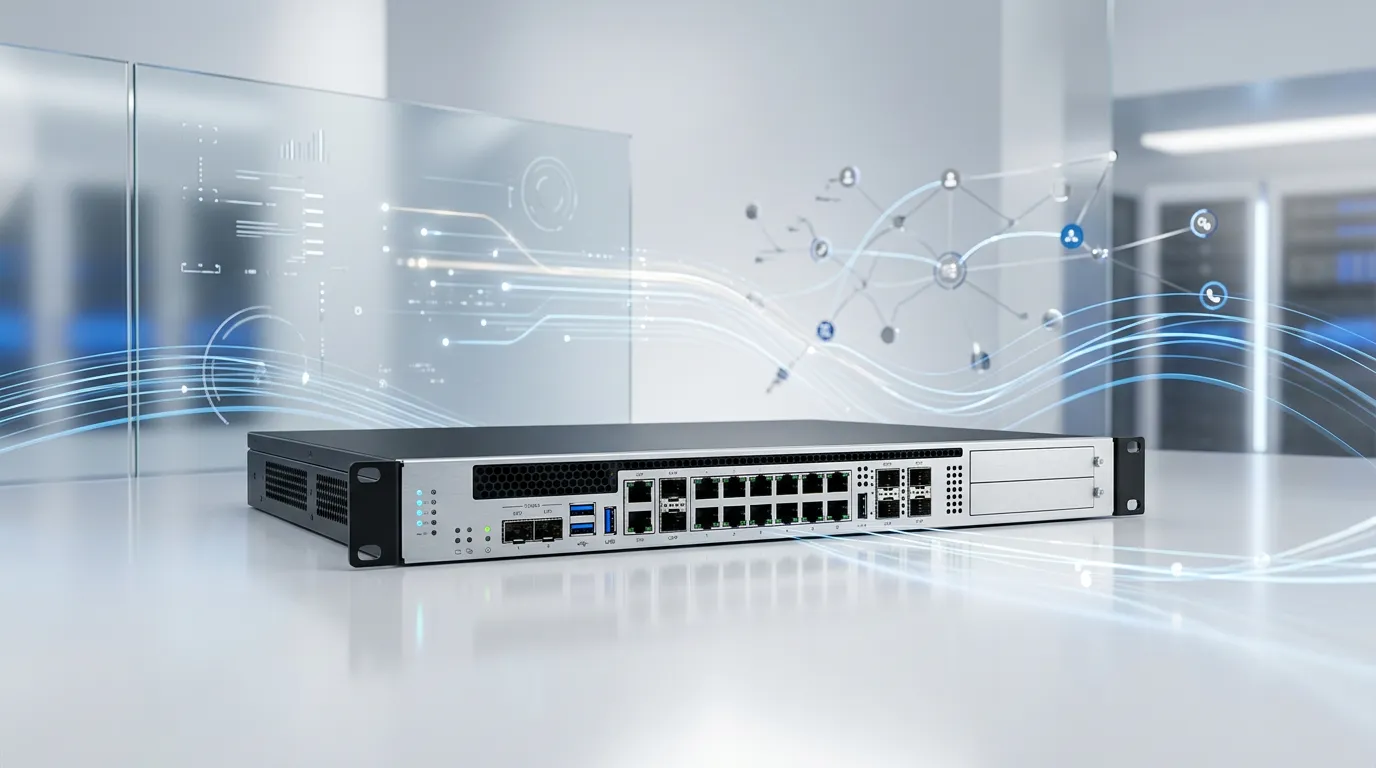
SIP (Session Initiation Protocol) trunking replaces traditional physical telephone lines with an internet-based connection. It allows businesses in Saudi Arabia to make local and international voice and video calls securely over the internet. Upgrading to SIP trunking significantly reduces telecommunication costs, enhances enterprise scalability, and provides the reliable infrastructure necessary for modern business communications.
Saudi Arabia is rapidly advancing its digital communication infrastructure. Organizations operating within the Kingdom require high-performance communication systems to maintain operational efficiency. Traditional Private Branch Exchange (PBX) systems rely on outdated physical copper wires. These legacy systems limit growth and impose high maintenance costs.
SIP trunking provides a modern, internet-based alternative. By transmitting voice and video data over established internet connections, this technology centralizes enterprise communications. Blue Edge for Communication and Technology (BEC) empowers partners and clients across Saudi Arabia by delivering these cutting-edge telecommunication solutions.
This guide details how SIP trunking operates, the core benefits for Saudi enterprises, and the regulatory standards required to implement it successfully.
What exactly is SIP Trunking and how does it function?
SIP trunking is a technology that facilitates voice over internet protocol (VoIP) connectivity between an on-premise phone system and the public switched telephone network (PSTN).
Key operational points of SIP trunking include:
- Virtual connections: SIP trunks eliminate the need for physical wires. They use virtual links established over your existing internet connection.
- Packet switching: The technology converts analog voice signals into digital data packets. These packets travel across the network to the receiver.
- Unified communications: SIP trunking supports more than just voice calls. It seamlessly handles video conferencing, instant messaging, and multimedia data transfers.
Enterprises utilize SIP trunking to consolidate their voice and data networks into one unified system. This consolidation maximizes bandwidth efficiency and simplifies IT network management.
Why is SIP Trunking better than traditional ISDN lines?
Organizations must decide whether to maintain legacy Integrated Services Digital Network (ISDN) lines or transition to SIP trunking. Choose SIP trunking if scalability, cost reduction, and centralized management matter most to your enterprise.
Primary advantages of adopting SIP trunking:
- Substantial cost savings: SIP trunking eliminates the rental costs associated with physical telephone lines. It also significantly lowers the rates for international and long-distance business calls.
- Immediate scalability: Traditional phone lines require technicians to install new physical wires when you hire more staff. SIP trunks allow administrators to add or remove virtual channels instantly through a software portal.
- Enhanced reliability: Modern SIP providers offer robust disaster recovery features. If a primary office loses power, SIP trunking automatically reroutes incoming calls to mobile devices or secondary branch locations.
- Seamless integration: SIP trunking integrates effortlessly with modern unified communications platforms. This integration supports smart building technologies and advanced enterprise networking solutions.
What are the regulatory requirements for SIP Trunking in Saudi Arabia?
Deploying telecommunications infrastructure in Saudi Arabia requires strict adherence to local regulations. The Communications, Space and Technology Commission (CST) governs all telecommunication operations within the Kingdom.
Compliance factors for Saudi enterprises:
- Licensed providers: Businesses must source SIP trunking services from CST-licensed telecommunication providers.
- Data sovereignty: Voice data and communication logs must remain secure. Providers must comply with the Kingdom’s data localization and cybersecurity mandates.
- Emergency calling: SIP trunking deployments must ensure accurate location tracking for emergency service routing.
Blue Edge for Communication and Technology (BEC) partners with world-leading brands to deliver innovative and reliable solutions. Every product we offer is tested and proven to meet the highest Saudi industry standards, ensuring total regulatory compliance.
How do you choose the right SIP Trunking partner for your enterprise?
Selecting the correct technology partner guarantees optimal performance and durability for your communication infrastructure.
Evaluate potential partners based on these specific criteria:
- Demonstrated local expertise: Your provider must possess a deep understanding of Saudi Arabia's unique enterprise networking environment and CST regulations.
- Comprehensive security protocols: Evaluate the provider's cybersecurity systems. They must offer robust encryption to protect your voice data against interception and toll fraud.
- Service Level Agreements (SLAs): Demand strict SLAs that guarantee at least 99.9% network uptime. Uptime is critical for maintaining continuous business operations.
- Holistic technology solutions: Choose a provider that offers complementary services. Blue Edge provides a wide range of technology solutions, including IP telephony, structured cabling infrastructure, and video conferencing systems.
Elevate your enterprise communications today
Modern businesses require secure, flexible, and high-performance communication systems. Transitioning to SIP trunking provides the technological foundation necessary to support agile, growing organizations in Saudi Arabia. By replacing restrictive physical lines with dynamic digital channels, your enterprise will experience immediate cost reductions and operational improvements.
Audit your current telecommunication expenses and determine how many simultaneous call channels your business requires. Contact a licensed technology partner to design a SIP trunking deployment tailored to your exact organizational needs.
Frequently Asked Questions
-
What is the primary difference between VoIP and SIP Trunking?
VoIP (Voice over Internet Protocol) is the broad term for making phone calls over the internet. SIP trunking is the specific protocol and infrastructure that connects a business's PBX system to the public telephone network via the internet. VoIP is the overarching technology, while SIP is the method used to deliver it effectively at an enterprise level.
-
Can my business keep its existing phone numbers when moving to SIP Trunking?
Yes. Number porting allows your organization to transfer your existing local and toll-free telephone numbers from your legacy provider to your new SIP trunking service. This ensures zero disruption for your clients and partners.
-
How much internet bandwidth does SIP Trunking require?
A single, high-quality concurrent voice call typically requires approximately 85 to 100 kilobits per second (Kbps) of bandwidth. To calculate your total requirement, multiply this figure by the maximum number of simultaneous calls your enterprise expects to make during peak operational hours.
-
Does SIP Trunking support remote workers in Saudi Arabia?
Yes. SIP trunking centralizes communication infrastructure, allowing employees to connect to the corporate phone system from any location. Remote workers can make and receive calls using softphone applications on their laptops or mobile devices, displaying the official company phone number.
About Blue Edge
Blue Edge Company is a value-added technology distributor based in Dammam, Saudi Arabia, supplying interactive displays, smart building systems, networking infrastructure and IT security software to businesses and residential projects across the Kingdom, with installation and technical support.
Learn more about Blue Edge →Published 1 June 2026 • Last updated 23 September 2026 • This article is reviewed when standards, regulations or product guidance change.