Shopping Cart


- Articles
- IP Telephony
- IP Telephony Integration with IoT and Smart Buildings in Saudi Arabia (2026 Guide)
IP Telephony Integration with IoT and Smart Buildings in Saudi Arabia (2026 Guide)
Learn how IP telephony integrates with IoT and smart buildings in Saudi Arabia. Discover benefits, real-world use cases, security, and scalable enterprise solutions for 2026.
By Blue Edge Team | Published Apr 19, 2026 | Updated Sep 23, 2026 | 5 min read
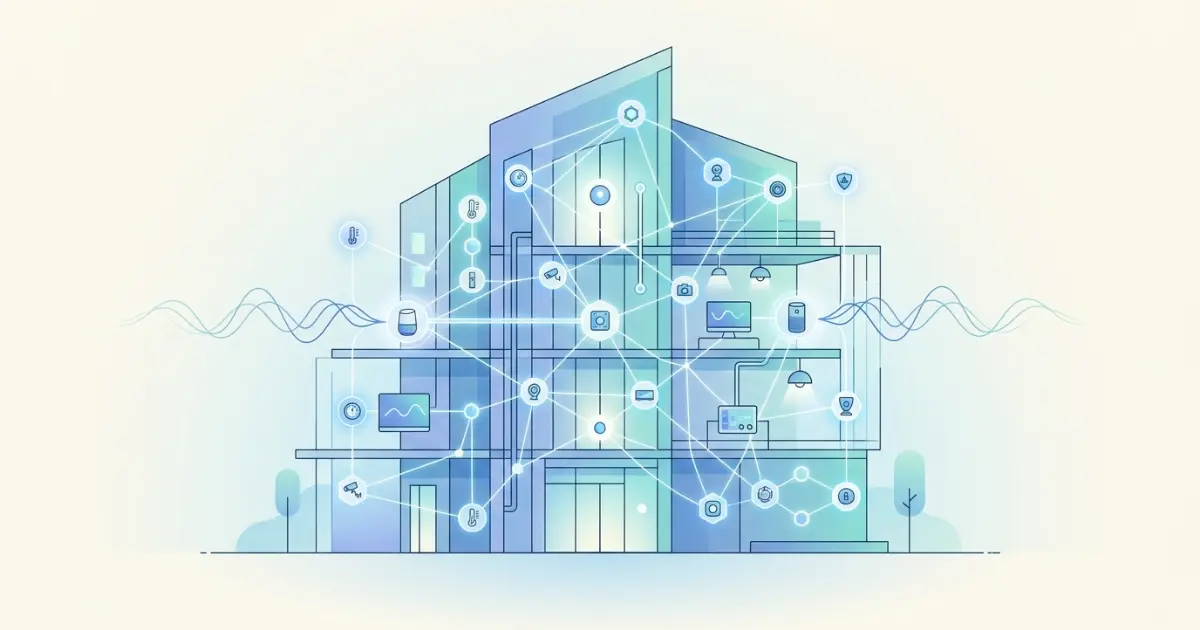
IP telephony integrates with IoT and smart buildings by operating on a shared, unified IP network. This convergence allows communication devices to exchange real-time data with automated building management systems, enabling streamlined workflows, robust security protocols, and centralized control over enterprise infrastructure.
Enterprise digital transformation initiatives across Saudi Arabia require reliable, scalable IT solutions. Modernizing legacy communication systems is no longer an optional upgrade; it is a critical requirement for maintaining high-performance operations. IT managers and technology consultants must implement communication and networking infrastructure that supports continuous expansion while adhering to strict government compliance standards.
Integrating your enterprise communication systems with smart building technology creates a cohesive, intelligent environment. By merging voice protocols with internet-connected devices, organizations can drastically reduce downtime incidents, accelerate deployment timelines, and improve system uptime.
This comprehensive guide explains how combining these advanced technologies creates a robust IT environment, simplifies system integrations, and protects your enterprise with cutting-edge security features.
What is IP Telephony and IoT Integration?
IP telephony utilizes internet protocols to transmit voice communications, replacing traditional analog phone lines. The Internet of Things (IoT) refers to a network of interconnected physical devices—such as sensors, cameras, and access control panels—that collect and exchange data.
When you integrate IP telephony with IoT inside a smart building, you merge voice communications with physical infrastructure management. A unified network allows desk phones, mobile softphones, and public address systems to communicate directly with environmental controls, security cameras, and automated doors. This creates a centralized ecosystem where technology responds dynamically to the needs of the enterprise.
Core Advantages for Enterprise IT Systems
System integrators require technology partner selections that guarantee reliability and scalability. Integrating these systems offers specific operational advantages.
Seamless System Integration
Operating on a single network eliminates the need for parallel infrastructures. Your IT department can manage voice, video, and building sensors through a centralized dashboard. This seamless system integration simplifies troubleshooting and drastically reduces the time required for system maintenance. Our IT installation and configuration services ensure your unified environment is set up correctly from day one.
Scalable Networking Solutions
As your enterprise expands to new locations, your infrastructure must grow without requiring a complete system overhaul. IP-based systems offer scalable networking solutions. Adding new smart devices or communication endpoints involves simple software provisioning rather than complex physical rewiring. Our cabling and networking solutions lay the physical foundation that makes this flexibility possible.
Advanced Cybersecurity
Unifying your network allows for centralized, advanced cybersecurity measures. IT administrators can deploy real-time security updates, monitor traffic patterns, and enforce encryption protocols across both communication devices and IoT sensors, ensuring strict compliance with IT standards. Pair this with NinjaOne endpoint security and endpoint management to maintain full visibility and control across every connected device.
Real-World Applications in Smart Buildings
Integrating communication systems with smart building technology creates highly responsive environments. Here are the primary deployment scenarios.
Automated Emergency Response
During an emergency, IoT sensors—such as smoke detectors or secure access alarms—can trigger automated protocols through the IP telephony system. The network can automatically broadcast pre-recorded evacuation instructions over IP paging systems, send SMS alerts to key personnel, and initiate emergency conference calls among the incident response team. Devices such as the Akuvox SIP Emergency Station are purpose-built for exactly these scenarios.
Intelligent Access Control
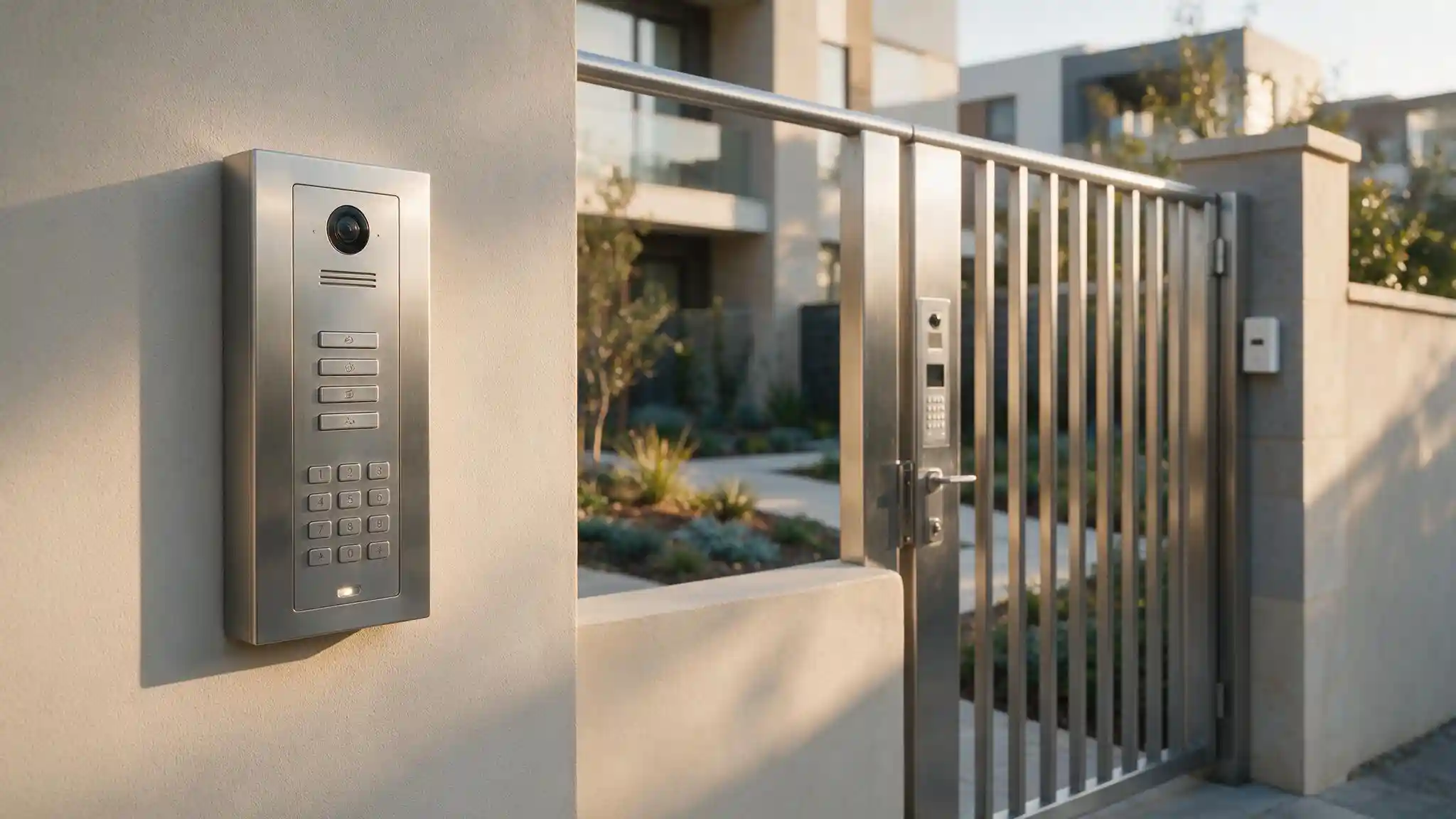
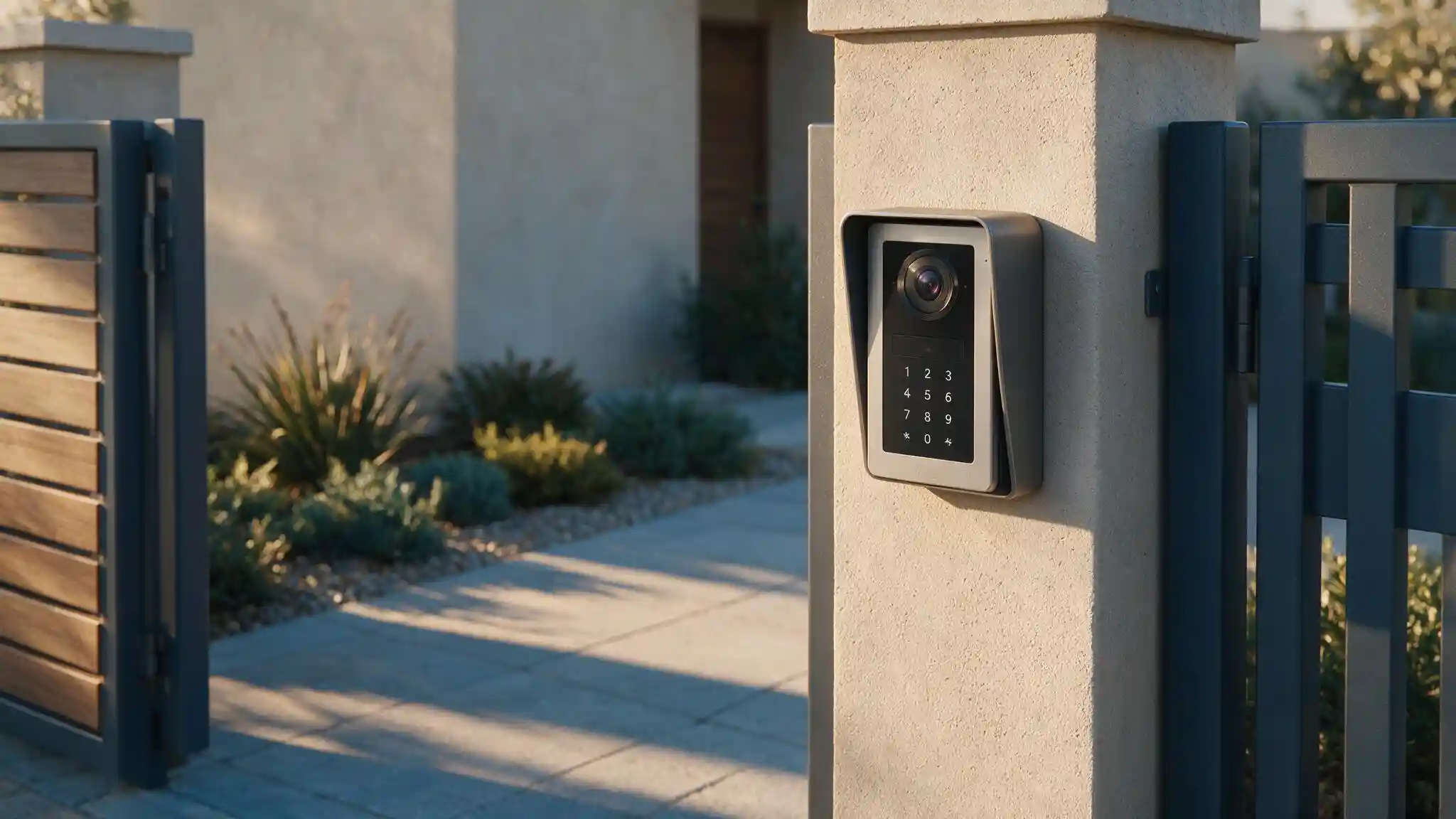
Integration enables advanced visitor management. When a guest arrives at a secure entrance, an IoT-enabled smart intercom can instantly route a video call to the specific employee's IP phone or mobile device. The employee can verify the visitor's identity and unlock the door using a dedicated keypress on their handset. Explore our range of indoor monitors and access control terminals that make this workflow seamless.
Environmental Monitoring and Management
Smart buildings utilize IoT sensors to monitor room occupancy, temperature, and lighting. If a conference room is empty but the HVAC system remains active, the system can notify facility managers via an automated text or voice message to their unified communications app, allowing them to optimize energy consumption. Our Akubela smart home and building panels are designed to centralize exactly this kind of environmental oversight.
Partnering for Reliable Infrastructure
Achieving successful system integrations requires dependable hardware and knowledgeable vendors. Enterprises must trust in durable and reputable global brands for all networking needs. Partnering with a specialized technology provider ensures your hardware meets rigorous security audit findings and compliance guarantees. Browse our full catalogue of products and services to find solutions tailored to your enterprise requirements.
Reliable partners offer 24/7 technical support, ensuring any configuration challenges or network anomalies are addressed promptly by an experienced team. This round-the-clock assurance keeps your business operations running smoothly and protects your investment.
Future-Proof Your Enterprise Infrastructure
Modernizing your facility with integrated IP telephony and smart building technologies provides the scalability, security, and efficiency required by today's enterprises. By adopting these advanced systems, your organization can optimize workflows, secure physical assets, and maintain a competitive edge in a rapidly evolving digital landscape.
Are you ready to upgrade your communication and networking infrastructure? Our team provides trusted global brands, seamless integration, and 24/7 support to ensure your technology deployment is a success.
Contact us today to schedule a consultation or get a quote for your next enterprise integration project.
Frequently Asked Questions
-
How does IP telephony communicate with IoT devices?
IP telephony and IoT devices share the same local area network (LAN) or wide area network (WAN). They communicate using standard internet protocols (such as SIP and TCP/IP), allowing software platforms to bridge data alerts with voice or text notifications. Our IT technical consultations service can help you architect the right network design for your specific environment.
-
Is it secure to put IoT and IP telephony on the same network?
Yes, provided you implement advanced cybersecurity measures. Best practices include utilizing Virtual Local Area Networks (VLANs) to segment voice and IoT traffic, deploying robust firewalls, and ensuring end-to-end encryption for all data transmissions. Solutions like NinjaOne patch management and cybersecurity awareness training further strengthen your security posture.
-
Will this integration require a complete network upgrade?
Not necessarily. If your current enterprise infrastructure supports Power over Ethernet (PoE) and possesses sufficient bandwidth, you can often integrate new IoT devices and IP telephony endpoints into your existing network architecture. Our team can assess your current setup through a dedicated IT technical consultation.
-
Can smart building integration reduce operational costs?
Yes. By consolidating cabling infrastructure, centralizing IT management, and utilizing IoT sensors to automate energy consumption, enterprises realize significant long-term cost savings and operational efficiency improvements.
-
What happens if the main network goes down?
Reliable deployments utilize redundant networking setups and failover protocols. If the primary connection drops, the system automatically switches to a backup network or cellular gateway, ensuring critical communications and smart building security remain active. NinjaOne remote management provides continuous monitoring to detect and respond to connectivity issues before they escalate.
About Blue Edge
Blue Edge Company is a value-added technology distributor based in Dammam, Saudi Arabia, supplying interactive displays, smart building systems, networking infrastructure and IT security software to businesses and residential projects across the Kingdom, with installation and technical support.
Learn more about Blue Edge →Published 19 April 2026 • Last updated 23 September 2026 • This article is reviewed when standards, regulations or product guidance change.