Shopping Cart



What Is Omnichannel Communication — And Why It Matters
Learn what omnichannel communication is, how it improves customer engagement, unifies communication channels, and enhances business collaboration and customer experiences.
By Blue Edge Team | Aug 10, 2026
What Is Omnichannel Communication — And Why It Matters
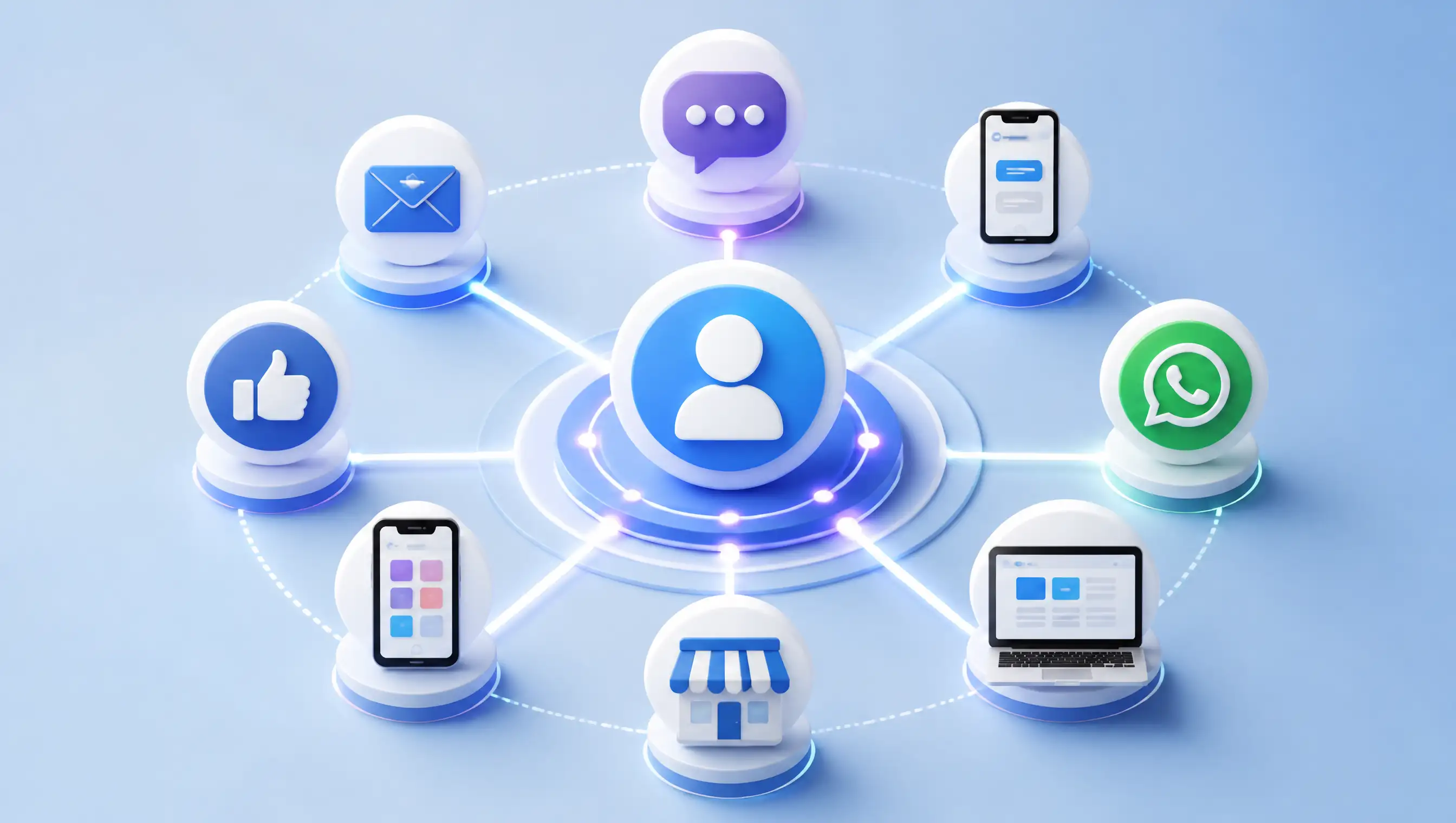
Omnichannel communication is a unified strategy that connects all customer-facing channels—phone, email, chat, social media, and more—into one seamless experience. Unlike multichannel approaches, omnichannel ensures context and conversation history follow the customer across every touchpoint, resulting in faster resolutions and stronger relationships.
Customers today expect consistency. They want to start a conversation on live chat, continue it via email, and pick it up again over the phone—without ever having to repeat themselves. That expectation is not unreasonable. Yet for many organizations, meeting it remains a significant operational challenge.
Omnichannel communication addresses that challenge directly. It brings every customer-facing channel under a single, coordinated framework, giving both customers and agents a complete, continuous picture of every interaction. The result is not just a smoother customer experience—it is a measurable competitive advantage.
This post explains what omnichannel communication is, how it differs from multichannel approaches, which industries benefit most, and what to look for when evaluating a solution. A side-by-side feature comparison and a practical FAQ section are included to help guide your decision.
What Does Omnichannel Communication Actually Mean?
The term "omnichannel" is used frequently—and often incorrectly. Many organizations describe themselves as omnichannel simply because they operate across multiple platforms. That is not omnichannel. That is multichannel.
The distinction matters.
Multichannel communication means a business is present on several platforms—email, phone, social media, and live chat, for example. Each channel operates independently. Customer data stays siloed. Agents working on one channel have no visibility into what happened on another.
Omnichannel communication integrates all of those channels into a single, unified system. Conversation history, customer preferences, and interaction context move with the customer—regardless of which channel they use next. The experience feels continuous because, architecturally, it is.
Think of it this way: multichannel gives customers more doors to walk through, but each door leads to a separate room. Omnichannel connects those rooms into one coherent space.
Multichannel vs. Omnichannel vs. Cross-Channel: A Feature Comparison
Understanding how these communication strategies differ in practice is essential before selecting a platform or investing in infrastructure. The table below outlines the key distinctions across six critical dimensions.
| Feature | Multichannel | Cross-Channel | Omnichannel |
|---|---|---|---|
| Channel Integration | Siloed | Partial integration | Fully unified |
| Customer Data Sharing | Per channel only | Limited sharing | Shared in real time |
| Conversation Continuity | Restarts each session | Partial continuity | Seamless across all channels |
| Agent Visibility | Single channel view | Some cross-channel data | Full interaction history |
| Personalization Capability | Low | Moderate | High |
| Customer Effort Required | High (repeat information) | Moderate | Low |
| Implementation Complexity | Low | Moderate | High |
| Ideal For | Small businesses | Growing businesses | Enterprise and customer-centric organizations |
This comparison makes clear that omnichannel communication demands greater investment—but delivers substantially greater returns in customer satisfaction, efficiency, and loyalty.
Why Omnichannel Communication Matters for Modern Businesses
How does omnichannel communication improve the customer experience?
Customer experience is the sum of every interaction a person has with a brand. A single frustrating touchpoint—such as being asked to re-explain an issue to a new agent—can undo an otherwise positive relationship.
Omnichannel communication eliminates that friction. When agents have access to a customer's full interaction history, they can respond with context, empathy, and precision. Customers feel recognized, not processed. That shift in experience directly influences retention, satisfaction scores, and long-term brand loyalty.
According to Aberdeen Group, companies with strong omnichannel customer engagement strategies retain an average of 89% of their customers, compared to just 33% for companies with weak omnichannel engagement.
What operational advantages does omnichannel communication provide?
Beyond the customer experience, omnichannel communication delivers meaningful efficiency gains on the operational side.
Unified dashboards allow supervisors to monitor performance across all channels simultaneously. Automated routing ensures customer inquiries reach the most appropriate agent or team based on context, skill set, or language. Integrated analytics provide a holistic view of contact volume, resolution rates, and customer satisfaction—across every channel, in one place.
These capabilities reduce average handling times, minimize escalations, and enable more accurate staffing decisions. For organizations managing high volumes of customer interactions, those efficiencies translate directly into cost savings.
Which industries benefit most from omnichannel communication?
Omnichannel communication is particularly valuable in industries where customer relationships are complex, ongoing, and high-stakes. Key sectors include:
- Retail and e-commerce: Customers may browse on mobile, purchase on desktop, and seek support via social media—all for the same order.
- Healthcare: Patients interact across appointment booking platforms, phone lines, patient portals, and in-person visits. Continuity of communication is critical.
- Financial services: Account queries, fraud alerts, and advisory conversations often span multiple channels over extended periods.
- Telecommunications: Customers managing plans, devices, and technical issues expect fast, informed responses regardless of contact method.
- Hospitality: From booking to check-in to post-stay feedback, guest communication touches multiple platforms and benefits from a unified record.
Any organization where customer interactions are multi-step, multi-session, or high in emotional complexity stands to gain significantly from omnichannel infrastructure.
Core Components of an Effective Omnichannel Communication System
A well-designed omnichannel platform is built on several foundational components. Each plays a distinct role in delivering a seamless experience.
1. Unified Customer Data Platform (CDP)
A centralized data platform stores and updates customer profiles in real time across every channel. This is what makes context-sharing possible. Without a CDP, omnichannel remains aspirational rather than operational.
2. Channel Integration Layer
This connects your communication channels—voice, email, SMS, live chat, social media, video—into a single interface. Integration depth matters: surface-level connections produce incomplete data; deep integrations produce reliable, actionable insights.
3. Intelligent Routing Engine
Omnichannel routing matches incoming interactions to the right agent or automated workflow based on customer history, intent, language, and channel preference. Effective routing reduces handling time and improves first-contact resolution rates.
4. Omnichannel Agent Desktop
Agents should see a single, consolidated view of every customer interaction—regardless of channel. A fragmented desktop undermines even the best back-end integration. The agent experience directly shapes the customer experience.
5. Analytics and Reporting Suite
Comprehensive reporting across all channels enables data-driven decisions. Look for platforms that provide real-time dashboards alongside historical trend analysis, broken down by channel, agent, team, and customer segment.
6. AI and Automation Capabilities
Modern omnichannel platforms increasingly incorporate AI-powered features such as chatbots, predictive routing, sentiment analysis, and automated follow-up workflows. These tools extend team capacity without sacrificing quality.
How to Evaluate Omnichannel Communication Platforms
Selecting the right platform requires more than comparing feature lists. Consider these criteria before making a decision:
Scalability: Can the platform grow with your organization? Evaluate channel capacity, user limits, and API flexibility.
Integration with existing systems: Look for native integrations with your CRM, helpdesk, and workforce management tools. Custom integrations introduce risk and maintenance costs.
Security and compliance: For regulated industries, confirm the platform meets relevant standards—such as GDPR, HIPAA, or PCI-DSS—depending on your region and sector.
Deployment model: Cloud-based platforms offer faster deployment and lower upfront costs. On-premise solutions offer greater control. Hybrid models serve organizations with complex security requirements.
Vendor support and service: Implementation is only the beginning. Evaluate the vendor's training resources, support responsiveness, and track record with organizations of similar size and complexity.
Choose an omnichannel platform if: your customers regularly switch channels mid-interaction, your agents lack visibility into prior conversations, or your customer satisfaction scores are declining despite channel availability.
The Path Forward: Building a Communication Strategy That Scales
Omnichannel communication is not a product you purchase and deploy overnight. It is a strategy that requires alignment across technology, process, and people.
The most successful implementations begin with a clear assessment of current channel performance and customer journey mapping. From there, organizations identify integration priorities, select the appropriate platform, and invest in agent training before going live.
Importantly, omnichannel is not a fixed destination. Customer expectations evolve, new channels emerge, and technology capabilities expand. Organizations that treat omnichannel as an ongoing strategic commitment—rather than a one-time project—are best positioned to maintain a differentiated customer experience over time.
The data supports this investment. Businesses with mature omnichannel strategies report higher customer lifetime value, lower churn, and improved agent satisfaction. Each of those outcomes compounds over time, making early investment in the right infrastructure a long-term competitive asset.
Ready to Unify Your Customer Communication?
If your current communication infrastructure is fragmented, your customers and agents are both absorbing the cost. Bringing your channels together under a unified omnichannel framework is one of the most impactful steps your organization can take toward stronger customer relationships and more efficient operations.
Connect with our team today to learn how a structured omnichannel communication strategy can be designed and implemented for your specific business environment. We offer expert consultation, technology assessment, and end-to-end deployment support.
Frequently Asked Questions
-
What is the difference between omnichannel and multichannel communication?
Multichannel communication means a business operates across several platforms independently—each channel is separate, and customer data does not transfer between them. Omnichannel communication integrates all channels into a unified system, allowing conversation context and customer history to follow the customer seamlessly from one channel to the next.
-
How long does it take to implement an omnichannel communication system?
Implementation timelines vary based on organizational size, existing infrastructure, and the number of channels being integrated. A basic cloud-based deployment can take four to eight weeks. Complex enterprise implementations involving legacy systems, custom integrations, and multiple business units may take three to six months or longer.
-
Is omnichannel communication suitable for small and mid-sized businesses?
Omnichannel solutions are increasingly accessible to smaller organizations, particularly through cloud-based platforms with modular pricing. That said, the full value of omnichannel communication is most pronounced in organizations that manage high volumes of customer interactions across multiple channels. Smaller businesses with limited channel complexity may find a streamlined multichannel approach more proportionate to their needs.
-
What role does AI play in omnichannel communication platforms?
AI enhances omnichannel communication in several ways: intelligent routing directs inquiries to the right agent or automated workflow; chatbots handle high-volume, low-complexity queries; sentiment analysis flags at-risk interactions for human escalation; and predictive analytics support staffing and resource planning. These capabilities extend team capacity while maintaining service quality.
-
How does omnichannel communication affect customer satisfaction scores?
Organizations that implement effective omnichannel strategies consistently report improved customer satisfaction metrics. According to Aberdeen Group, companies with strong omnichannel engagement retain 89% of customers on average. Faster resolution times, reduced customer effort, and more personalized interactions are the primary drivers of these improvements.