Shopping Cart



How Smart Lighting Systems Reduce Energy Costs in KSA
Discover how smart lighting systems reduce energy costs in Saudi Arabia through LED technology, occupancy sensors, daylight harvesting, and automated lighting controls.
By Blue Edge Team | Jun 14, 2026
How Smart Lighting Systems Reduce Energy Costs in KSA
Quick answer: Smart lighting systems reduce energy costs in Saudi Arabia by using motion sensors, daylight harvesting, LED technology, and automated scheduling. These features cut electricity waste by up to 60%, lowering bills while supporting Vision 2030 sustainability goals across homes, offices, and commercial facilities.
Energy consumption is a major concern for businesses and homeowners across Saudi Arabia. Lighting alone accounts for a significant share of electricity use in commercial buildings, especially in a climate where facilities run for long hours. Smart lighting systems offer a practical solution by combining intelligent controls with energy-efficient hardware.
This post explains how smart lighting works, the specific ways it lowers energy costs, and why it matters for the Saudi market. You will gain clear insights to help you decide whether smart lighting is the right investment for your property.
What Is a Smart Lighting System?
A smart lighting system is a connected lighting solution that uses sensors, automation, and energy-efficient fixtures to control how and when lights operate. Unlike traditional lighting, it adjusts brightness and usage based on real conditions rather than running at full power continuously.
Key components include:
- LED fixtures that consume far less power than conventional bulbs
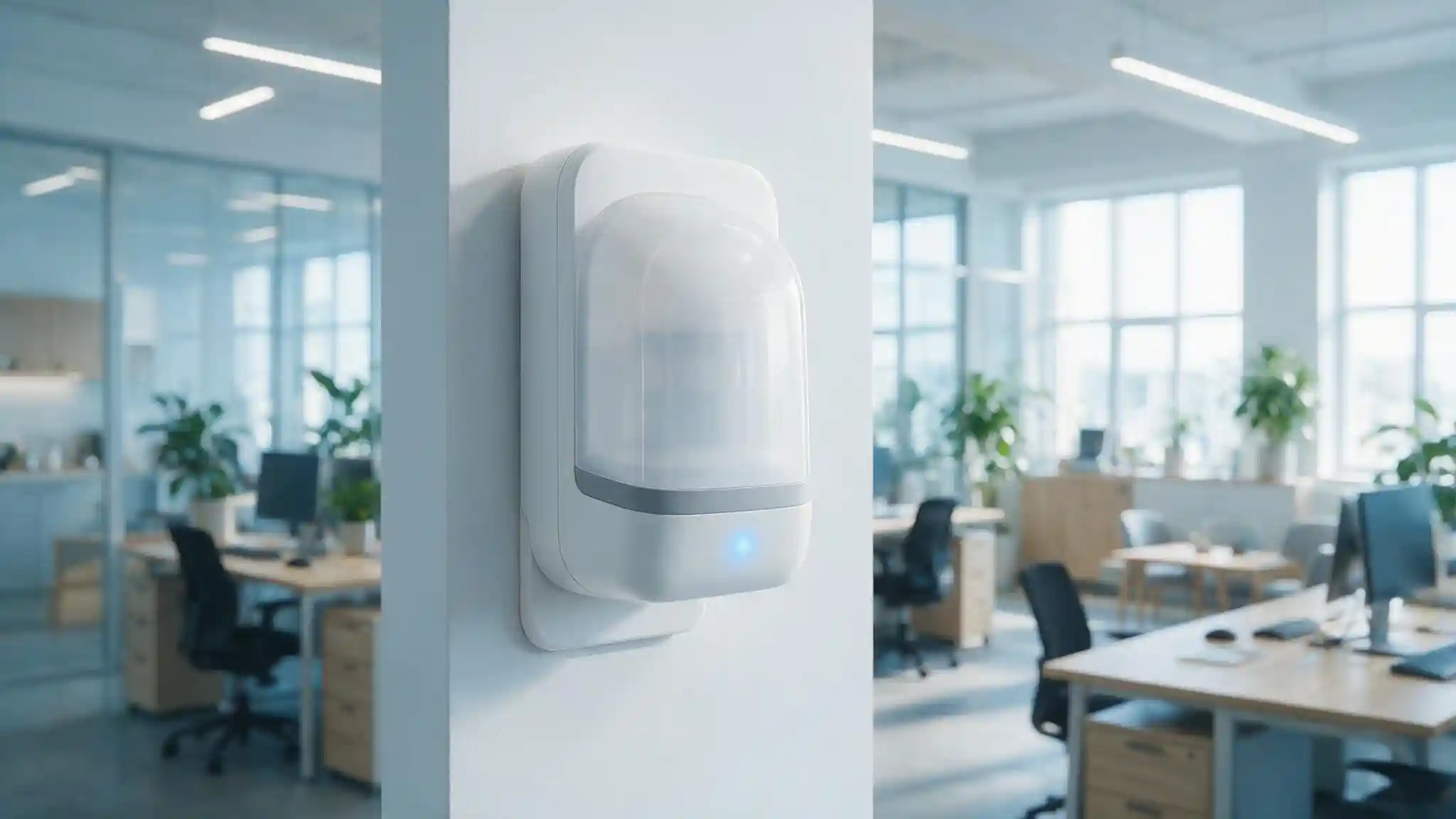
- Motion and occupancy sensors that activate lights only when needed
- Daylight sensors that dim artificial light when natural light is available
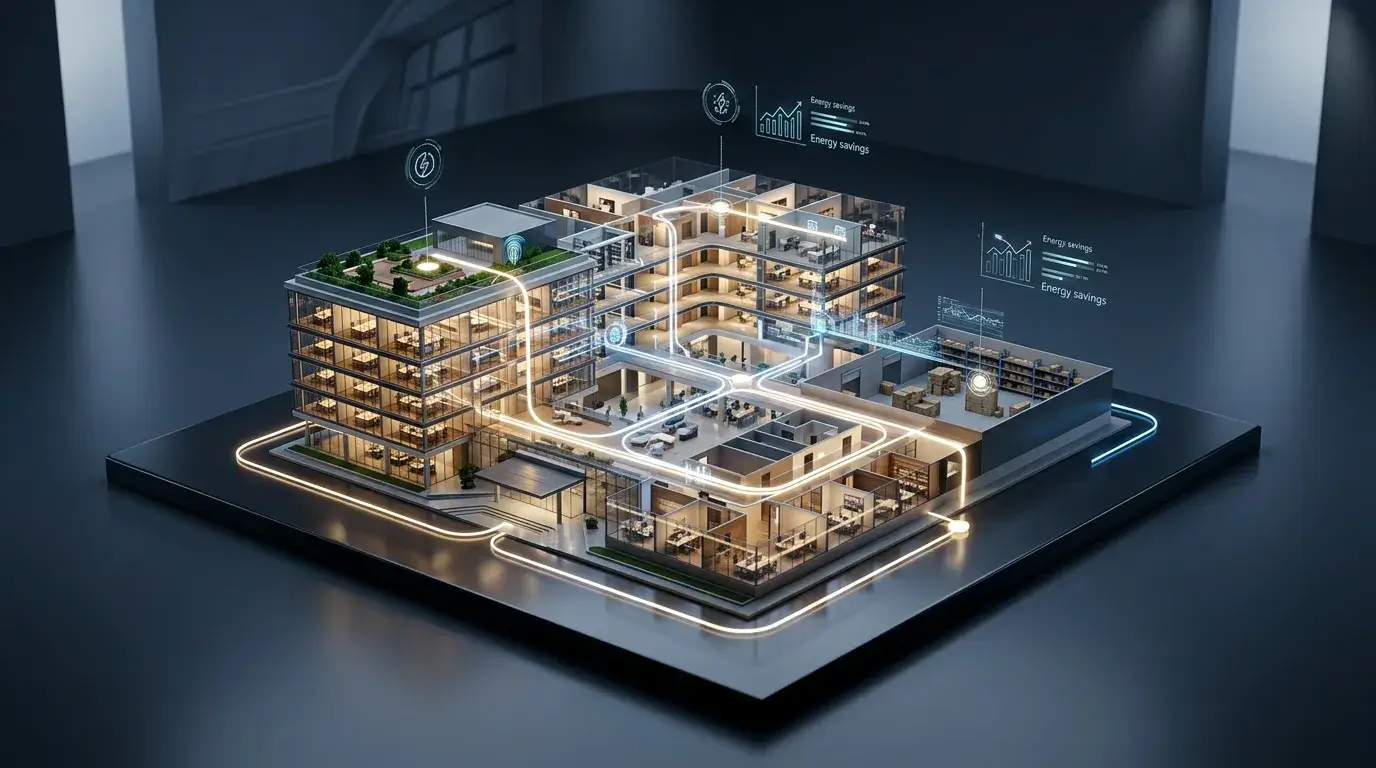
- Centralized control systems that manage lighting across an entire building
- Scheduling software that automates lighting based on time and usage patterns
How Do Smart Lighting Systems Reduce Energy Costs?
Smart lighting reduces energy costs through several measurable mechanisms. Each one targets a specific source of waste.
1. Motion and Occupancy Detection
Lights switch off automatically in empty rooms. In offices, warehouses, and parking areas, occupancy sensors prevent energy waste in spaces that are frequently unoccupied. This single feature can cut lighting energy use significantly in low-traffic zones.
2. Daylight Harvesting
Saudi Arabia receives abundant sunlight throughout the year. Daylight sensors measure available natural light and automatically dim or brighten fixtures to maintain consistent illumination. This reduces reliance on artificial lighting during daytime hours.
3. LED Efficiency
LED fixtures use up to 80% less energy than traditional incandescent bulbs and last far longer. Lower consumption and reduced replacement frequency translate into long-term savings on both electricity and maintenance.
4. Automated Scheduling
Lighting schedules align with operating hours. Lights dim or shut off after business hours, eliminating the cost of leaving systems running overnight in unoccupied buildings.
5. Remote Monitoring and Control
Centralized dashboards allow facility managers to monitor energy use in real time. Identifying inefficiencies becomes faster, and adjustments can be made instantly across multiple locations.
Why Does Smart Lighting Matter for the Saudi Market?
Smart lighting aligns directly with national priorities and local conditions. Three factors make it especially relevant in Saudi Arabia.
- Vision 2030 alignment: The Kingdom's sustainability agenda prioritizes energy efficiency and reduced consumption. Smart lighting supports these targets in both public and private sectors.
- High cooling demand: Efficient LED fixtures generate less heat than traditional lighting. This reduces the load on air conditioning systems, producing additional energy savings in a hot climate.
- Long operating hours: Many commercial facilities operate extended hours. Automated controls ensure energy is used only when necessary, maximizing savings over time.
What Savings Can You Expect?
Actual savings depend on building size, usage patterns, and the system installed. However, the benefits follow a clear pattern:
- Lower electricity bills from reduced and optimized consumption
- Reduced maintenance costs due to the long lifespan of LED fixtures
- Lower cooling costs from decreased heat output
- Better energy data that supports ongoing efficiency improvements
Choose a smart lighting upgrade if reducing operating costs and meeting sustainability targets matter more to you than minimizing upfront investment. The long-term returns typically outweigh the initial installation cost.
Who Benefits Most from Smart Lighting?
Smart lighting delivers value across multiple sectors:
- Commercial offices seeking to lower operating expenses
- Retail spaces balancing ambiance with efficiency
- Warehouses and industrial sites with large, intermittently used areas
- Hospitality venues managing lighting across many rooms
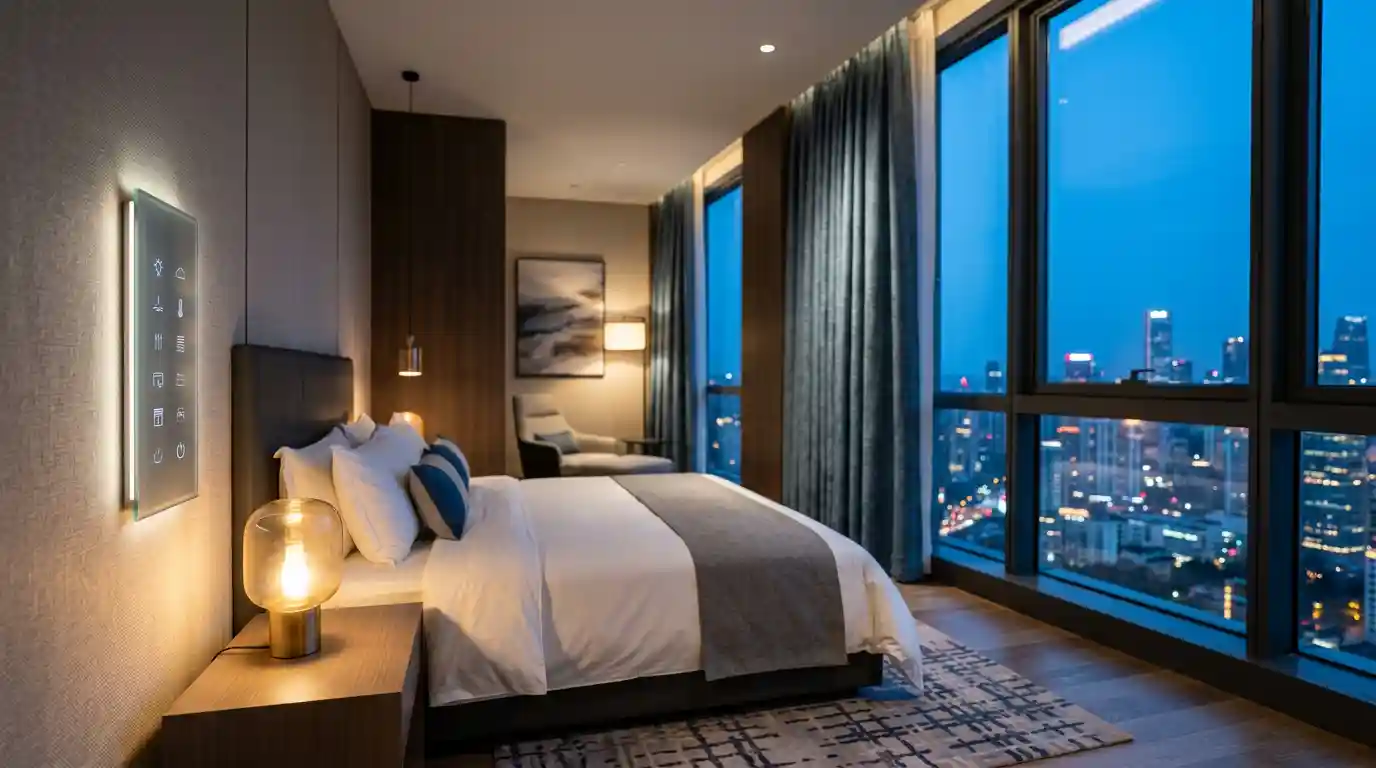
- Residential properties looking for convenience and lower bills
Make the Switch to Smarter, More Efficient Lighting
Smart lighting systems offer a reliable path to lower energy costs, reduced maintenance, and stronger sustainability performance. By combining LED efficiency, intelligent sensors, and automated controls, you gain precise control over how energy is used in your property.
If you are ready to reduce your energy costs with a tailored smart lighting solution, contact our team today for a consultation and discover how much your property can save.
Frequently Asked Questions
-
How much can smart lighting reduce energy costs?
Smart lighting can reduce lighting-related energy consumption by up to 60%, depending on the building type, usage patterns, and the specific features installed, such as occupancy sensors and daylight harvesting.
-
Is smart lighting expensive to install?
Smart lighting requires a higher upfront investment than traditional lighting. However, the long-term savings on electricity, maintenance, and cooling typically offset the initial cost over time.
-
Does smart lighting work well in the Saudi climate?
Yes. Saudi Arabia's abundant sunlight makes daylight harvesting highly effective, while energy-efficient LED fixtures reduce heat output and ease the load on air conditioning systems.
-
Can smart lighting be controlled remotely?
Yes. Most smart lighting systems include centralized dashboards and remote access, allowing facility managers to monitor and adjust lighting across one or multiple locations in real time.
-
Is smart lighting suitable for both homes and businesses?
Smart lighting benefits residential, commercial, and industrial properties. Homes gain convenience and lower bills, while businesses achieve significant cost savings and improved energy management.