Shopping Cart


Optimizing Efficiency with Smart Energy Management Systems
Learn how smart energy management systems improve efficiency, reduce operational costs, automate HVAC and lighting, and optimize building energy consumption.
By Blue Edge Team | May 21, 2026

Optimizing Efficiency with Smart Energy Management Systems
Managing a modern facility requires precise control over resource consumption. Energy costs consistently rank among the highest operational expenses for commercial and industrial buildings. Relying on outdated, manual infrastructure limits your ability to track, analyze, and optimize these costs effectively.
A Smart Energy Management System (SEMS) provides a comprehensive, technology-driven solution. By integrating advanced hardware with intelligent software, these systems give facility managers complete visibility into their building's energy footprint. You gain the ability to make data-driven decisions that directly impact your bottom line.
Implementing a smart energy infrastructure ensures your facility operates at peak efficiency. This article details the core components, operational benefits, and strategic deployment of smart energy systems to help you maximize performance and sustainability.
Core Components of Smart Energy Management Systems
To understand how these systems empower your operations, you must examine their underlying architecture. A robust SEMS relies on a network of integrated technologies working seamlessly together.
Advanced Sensors and Meters
Accurate data collection forms the foundation of any intelligent system.
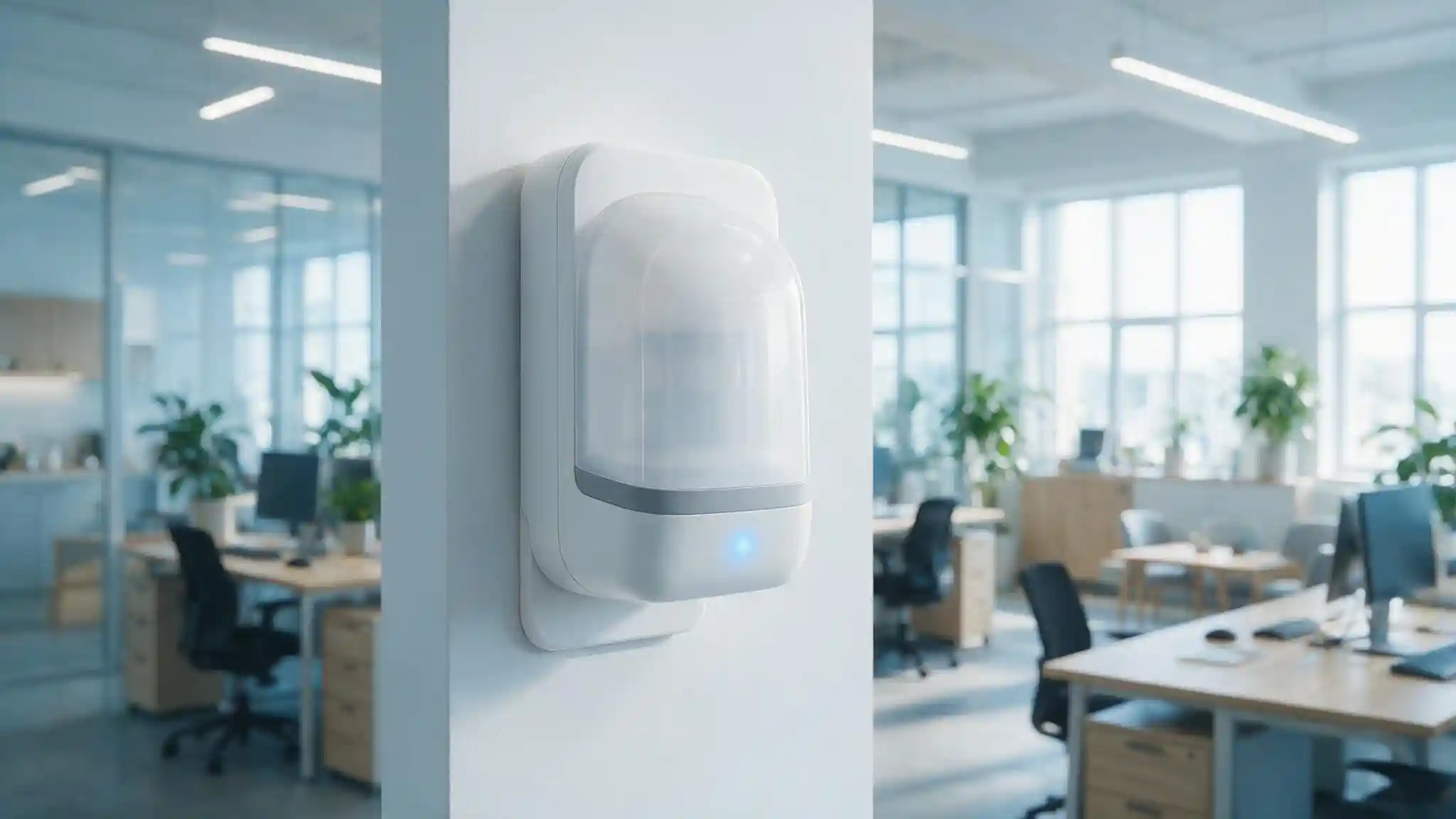
- IoT-enabled sensors continuously monitor environmental variables such as temperature, occupancy, and ambient light levels.
- Smart meters track the precise electricity, water, and gas consumption of specific zones or individual pieces of equipment.
- Real-time data transmission ensures your centralized platform receives immediate updates regarding building performance.
Centralized Analytics Platforms
Raw data requires intelligent processing to become actionable.
- Cloud-based dashboards aggregate the data collected from your sensor network.
- Predictive algorithms analyze historical trends to forecast future energy demands and identify anomalies.
- Automated reporting tools generate detailed audits, allowing you to pinpoint exact areas of energy waste.
Intelligent Automated Controls
The true value of a smart system lies in its ability to take immediate action without human intervention.
- Automated HVAC adjustments modify heating and cooling based on real-time occupancy data, preventing energy waste in empty rooms.
- Dynamic lighting systems automatically dim or turn off lights when natural sunlight is sufficient.
- Load shedding capabilities automatically reduce power to non-essential systems during peak demand pricing periods.
Key Benefits for Modern Infrastructure
Upgrading to a smart energy infrastructure delivers measurable returns across multiple facets of your organization. We focus on providing solutions that secure long-term operational excellence.
- Significant Cost Reduction: By eliminating wasted energy and optimizing consumption during peak billing hours, facilities typically see utility cost reductions of 15% to 30%.
- Enhanced Equipment Lifespan: Continuous monitoring detects performance irregularities early. This allows you to perform preventative maintenance before expensive hardware failures occur.
- Regulatory Compliance and Sustainability: Governments enforce strict energy efficiency standards. A SEMS automatically tracks your carbon footprint, ensuring compliance and supporting your corporate sustainability goals.
- Improved Occupant Comfort: Automated environmental controls maintain optimal temperature and lighting levels, creating a more productive and comfortable environment for your staff and clients.
Implementation Strategies for Your Facility
Deploying a smart energy system requires a structured, methodical approach to ensure maximum return on investment.
- Conduct a Comprehensive Energy Audit: Evaluate your current energy usage baselines to identify the zones experiencing the highest levels of waste.
- Define Clear Objectives: Determine whether your primary goal is cost reduction, carbon footprint minimization, or equipment optimization.
- Select Scalable Technology: Choose hardware and software that can integrate with your existing infrastructure and scale as your facility expands.
- Partner with Proven Experts: Work with trusted technology providers who deliver certified, tested equipment and reliable ongoing support.
Frequently Asked Questions
-
What is a Smart Energy Management System (SEMS)?
A Smart Energy Management System is an integrated network of sensors, meters, and software that continuously monitors, analyzes, and optimizes the energy consumption of a building in real time.
-
How long does it take to see a return on investment (ROI)?
Most commercial facilities experience a full return on investment within 18 to 36 months, driven by immediate reductions in monthly utility expenditures and decreased maintenance costs.
-
Can a smart energy system integrate with my existing HVAC and lighting?
Yes. Modern intelligent energy platforms use standard communication protocols, allowing them to interface directly with legacy HVAC units, lighting panels, and existing building management systems.
-
How does the system handle data security?
High-quality energy management platforms utilize enterprise-grade encryption, secure cloud infrastructure, and rigorous access controls to protect your operational data from unauthorized access.
-
Do I need specialized staff to operate the system?
No. While the backend technology is highly complex, the user interfaces are designed for intuitive operation. The system automates the most complex tasks, requiring facility managers only to review automated reports and high-level dashboard metrics.
Advancing Your Facility’s Energy Strategy
Modern businesses require secure, flexible, and high-performance infrastructure to remain competitive. Relying on passive energy consumption models leaves your facility vulnerable to rising utility costs and operational inefficiencies.
By integrating intelligent sensors, automated controls, and advanced data analytics, you transform your building into a highly optimized, sustainable asset. Evaluate your current energy infrastructure today and take the necessary steps to implement a smart energy management system that secures your operational future.