Shopping Cart



Structured Cabling vs Wireless in Saudi Arabia: 2026 Guide
Compare structured cabling vs wireless networks in Saudi Arabia 2026 including performance, security, cost, and hybrid infrastructure strategies.
By Blue Edge Team | May 01, 2026
Structured Cabling vs Wireless in Saudi Arabia: 2026 Guide
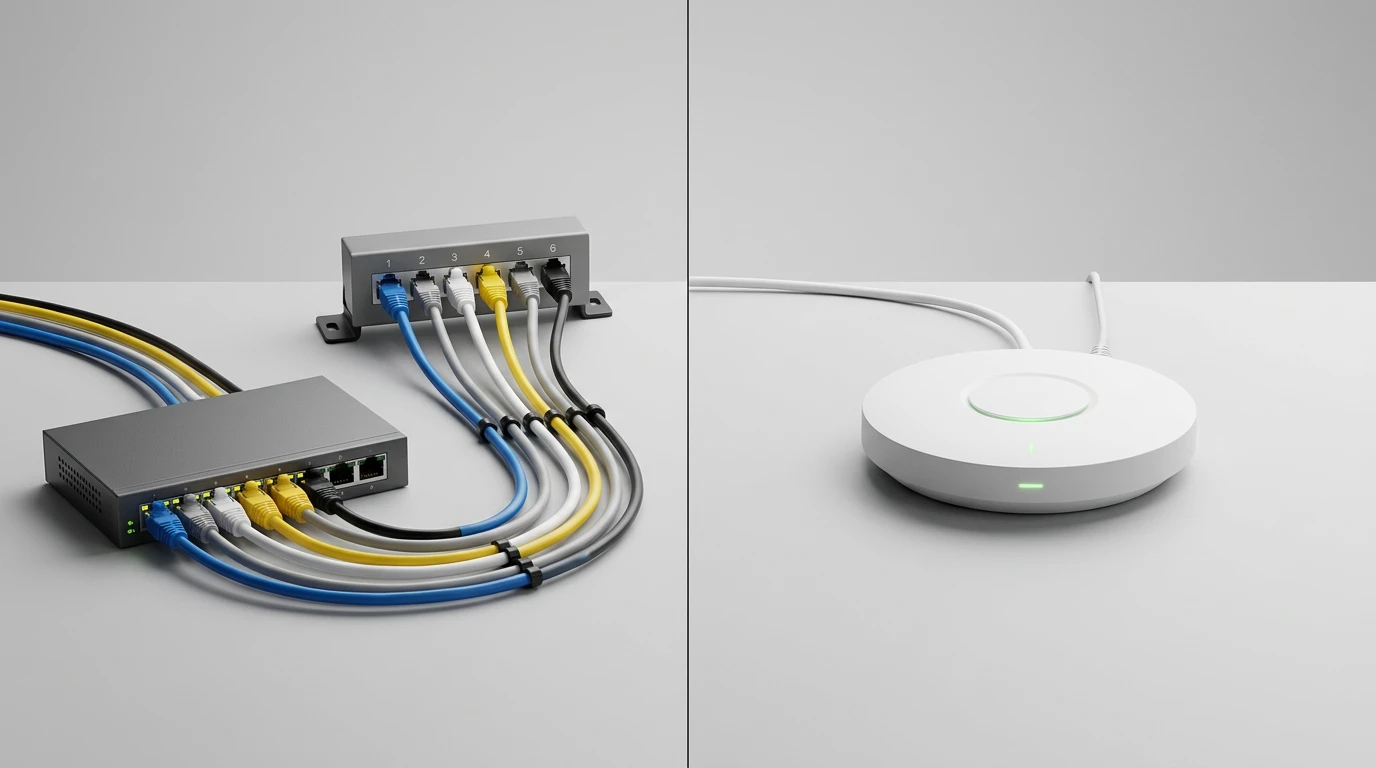
The technological landscape across Saudi Arabia is advancing rapidly. Driven by the ambitious goals of Vision 2030, enterprises are expanding their digital footprints, integrating smart technologies, and demanding more from their IT infrastructure. As organizations upgrade their facilities in major hubs like Riyadh, Jeddah, and the emerging cognitive city of NEOM, a critical decision arises: choosing the right network infrastructure.
You must evaluate whether to invest in traditional structured cabling or rely on advanced wireless networks. Both options offer distinct technical specifications, operational benefits, and long-term financial implications. Making the correct choice impacts everything from daily employee productivity to the physical security of your corporate data.
This comprehensive guide examines the technical realities of structured cabling and wireless networks in the context of Saudi Arabia's 2026 business environment. You will gain a clear understanding of the advantages of each technology, how they perform under enterprise conditions, and how to determine the most effective infrastructure strategy for your specific operational needs.
Understanding the Infrastructure: Structured Cabling
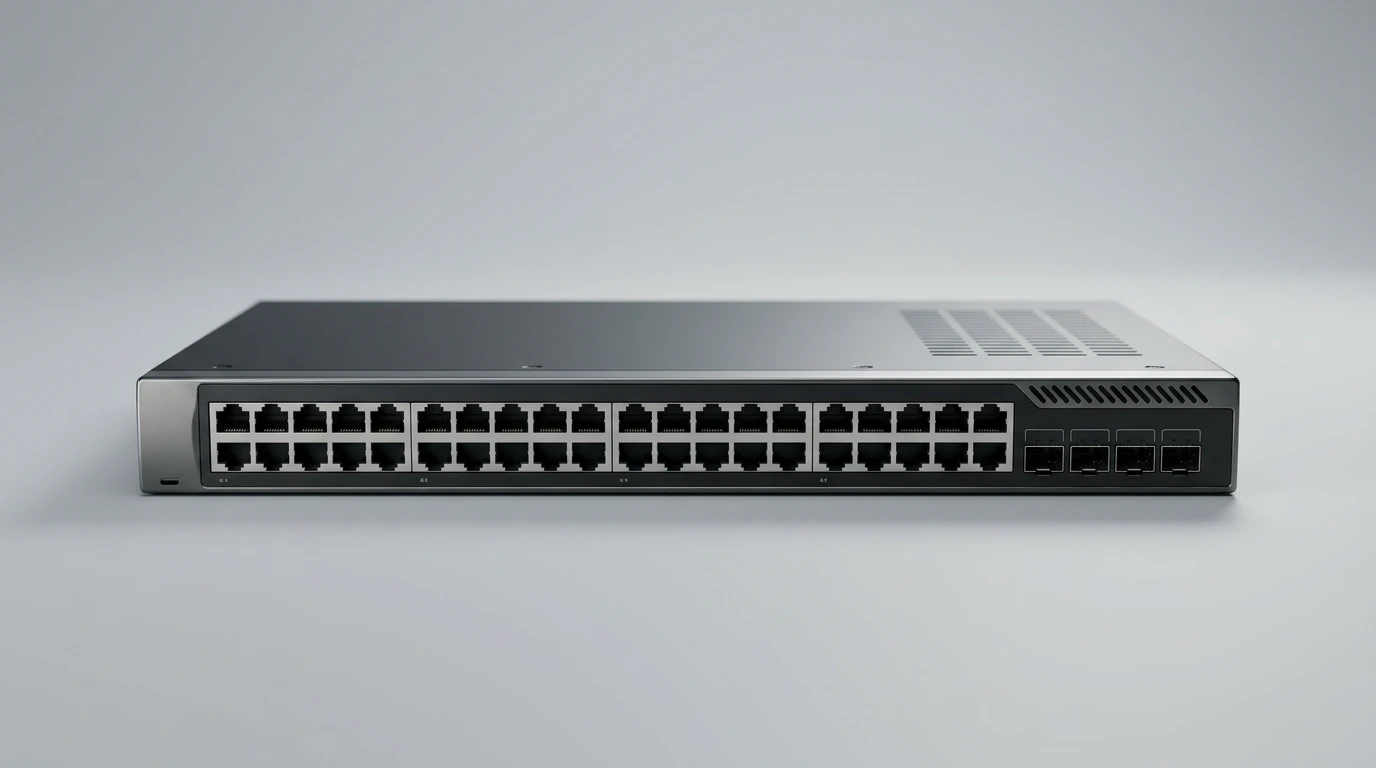
Structured cabling forms the physical foundation of an enterprise communication system. It involves standardizing the layout of cables, switches, and associated hardware to create a comprehensive telecommunications infrastructure. In 2026, this typically utilizes high-performance fiber optics and advanced copper cabling, such as Category 6A or Category 8, designed to support massive data loads.
The Advantages of Physical Networks
Organizations that prioritize absolute reliability continue to rely heavily on structured cabling. The physical connection provides a dedicated pathway for data transmission, ensuring consistent bandwidth.
- Maximum Bandwidth and Speed: Physical cables support multi-gigabit speeds without the degradation commonly caused by distance or physical obstacles.
- Enhanced Cybersecurity: A hardwired network requires physical access to intercept data. This inherent physical security makes structured cabling a mandatory requirement for government agencies, financial institutions, and healthcare providers operating within the Kingdom.
- Zero Interference: Unlike wireless signals, shielded physical cables are immune to radio frequency interference (RFI) and electromagnetic interference (EMI). This guarantees stable connections even in dense industrial environments.
Long-Term Durability
A properly designed and installed structured cabling system has a lifespan of 15 to 20 years. This longevity provides an excellent return on investment. The physical infrastructure can support multiple generations of hardware upgrades, meaning you can update your servers and switches without replacing the cables hidden within your walls and ceilings.
The Rise of Advanced Wireless Networks
Wireless networking technology has evolved significantly. By 2026, the widespread adoption of Wi-Fi 7 and the integration of advanced 5G enterprise networks have transformed what organizations expect from wireless connectivity.
What Defines Modern Wireless Solutions?
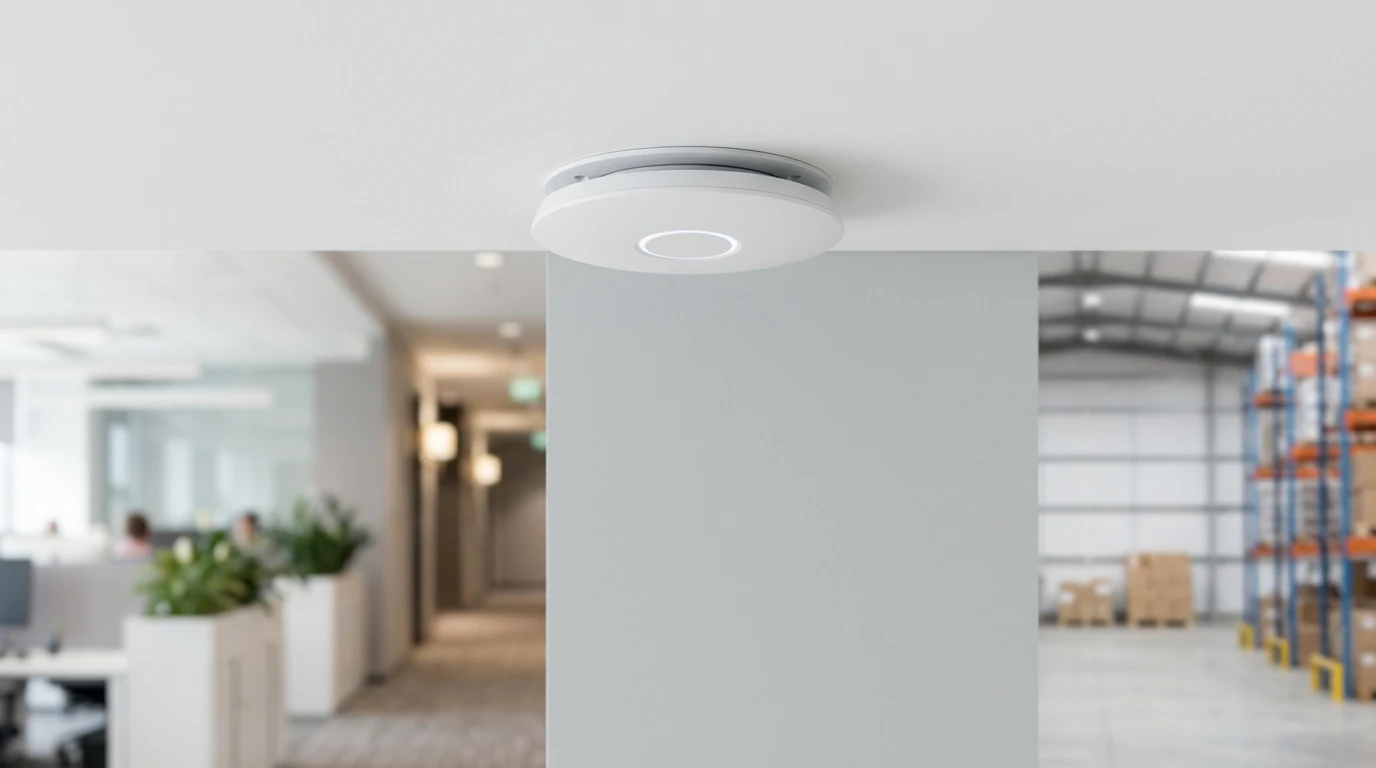
Modern wireless infrastructure utilizes advanced access points, controllers, and cloud-based management systems to distribute high-speed internet and intranet access without physical tethers. These networks utilize multiple frequency bands and advanced spatial multiplexing to handle hundreds of connected devices simultaneously.
The Benefits of Unrestricted Mobility
The primary advantage of a wireless network is flexibility. Modern business environments in Saudi Arabia frequently utilize agile workspaces, collaborative zones, and mobile workforces.
- Operational Flexibility: Employees can move seamlessly throughout the office, warehouse, or campus without losing their connection to critical corporate systems.
- Rapid Scalability: Adding a new user to a wireless network requires no physical labor. You simply provision their device with the correct credentials.
- Aesthetic and Architectural Preservation: In modern glass-walled offices or historic buildings where drilling is prohibited, wireless networks eliminate the need to route thick bundles of cables through visible spaces.
Evaluating Performance in the Saudi Arabian Market
To determine the superior option for your enterprise in 2026, you must analyze how these technologies perform across specific business criteria relevant to the local market.
Reliability and Speed Requirements
If your organization processes high-frequency trading data, manages real-time industrial automation, or hosts enterprise-grade video conferencing across global branches, structured cabling is the optimal choice. Physical cables provide the lowest possible latency and the highest guaranteed throughput.
Conversely, if your operations revolve around cloud-based CRM software, email communication, and general internet research, modern Wi-Fi 7 networks provide more than enough speed and reliability. The wireless standard in 2026 can comfortably handle 4K video streams and large file transfers for standard office work.
Security Considerations for Enterprises
Cybersecurity is a paramount concern for Saudi businesses. Structured cabling offers superior baseline security. Breaching a wired network typically requires physical infiltration of the building or the network closet.
Wireless networks project their signals beyond the physical walls of your office. While protocols like WPA3 and robust enterprise authentication systems (such as 802.1X) provide strong encryption, the signal itself can still be intercepted or targeted by denial-of-service (DoS) attacks from a nearby location. Organizations utilizing wireless networks must implement stringent endpoint management and continuous monitoring to maintain compliance with national cybersecurity regulations.
Scalability for Expanding Operations
When a company experiences rapid growth, infrastructure must adapt. Wireless networks provide superior short-term scalability. You can deploy new access points relatively quickly to cover expanded office spaces.
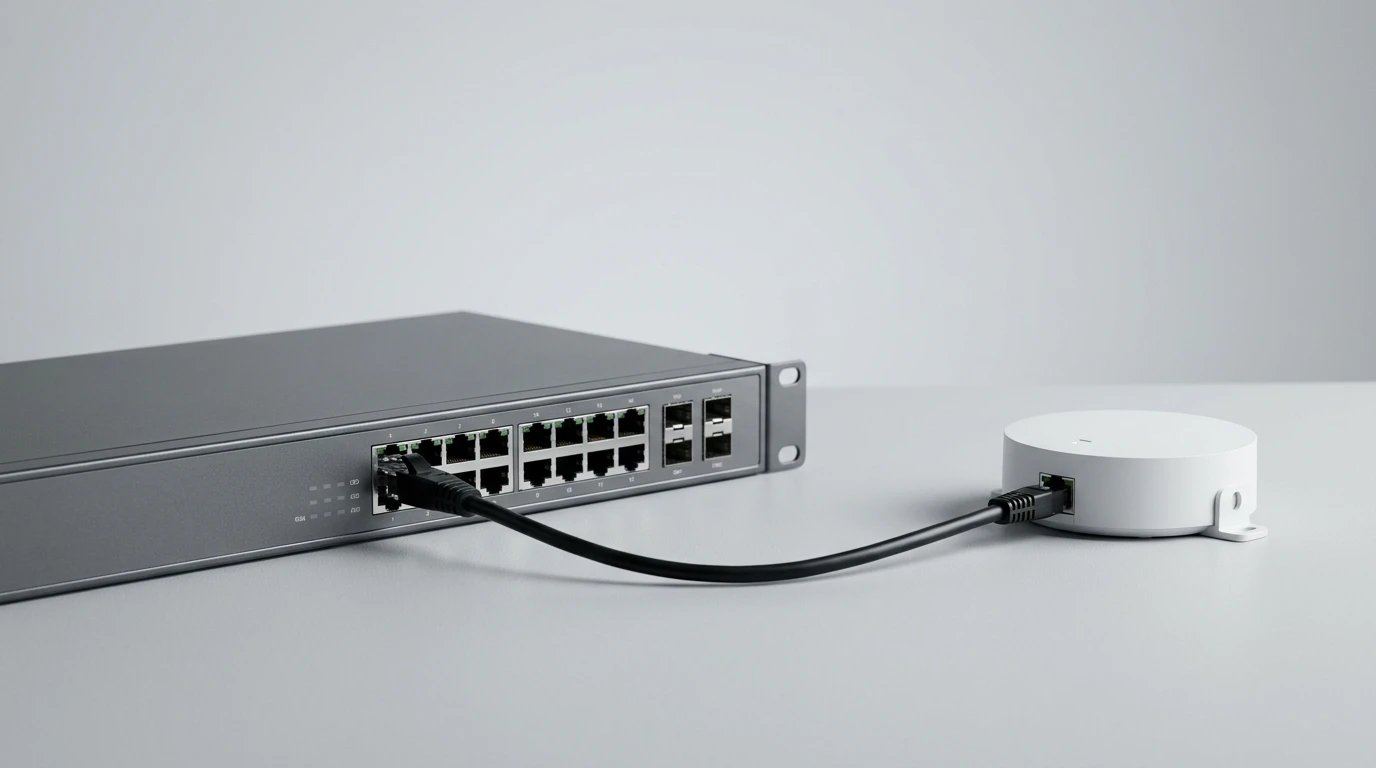
However, structured cabling provides better long-term scalability. When you install a robust cabling backbone, you establish a pipeline capable of handling future technologies that have not yet been invented. Wireless access points themselves require structured cabling to connect back to the core network. Therefore, a purely wireless office is an illusion; the access points still rely on a wired backbone.
Cost Analysis and Long-Term Investment
Financial planning requires a thorough assessment of both capital expenditures (CapEx) and operational expenditures (OpEx).
Initial Installation Expenses
Structured cabling requires a significant initial investment. The costs include the physical cables, conduit pathways, patch panels, server racks, and the specialized labor required for installation and certification.
Wireless networks generally require a lower initial hardware and installation cost for the endpoint connections. You purchase access points, controllers, and the software licenses to manage them. However, you must still factor in the cost of cabling the access points to the main switch.
Maintenance and Upgrade Costs
Over a ten-year period, structured cabling proves to be highly cost-effective. Cables rarely fail unless physically damaged. Maintenance is minimal.
Wireless networks demand more frequent upgrades. To keep up with changing wireless standards (from Wi-Fi 6 to Wi-Fi 7, and eventually Wi-Fi 8), you must periodically replace your hardware access points and update your management software. Furthermore, troubleshooting wireless interference can require specialized technicians, increasing operational costs.
Hybrid Solutions: The Best of Both Worlds
For the vast majority of enterprises operating in Saudi Arabia in 2026, the question is not an absolute choice between one or the other. The most effective strategy is a robust hybrid infrastructure.
A hybrid approach leverages the strengths of both technologies to create a resilient, flexible, and high-performing environment.
- Wire the Core: Utilize high-performance structured cabling for your servers, desktop workstations, printers, and secure financial terminals.
- Enable the Edge: Deploy a secure, managed wireless network to support laptops, smartphones, tablet-based point-of-sale systems, and guest access.
This architecture ensures that high-bandwidth, mission-critical applications have the dedicated pathways they require, while employees retain the mobility necessary for modern collaborative work.
Frequently Asked Questions
-
What is the primary difference between structured cabling and a standard wired network?
Structured cabling is a standardized architecture for telecommunications infrastructure. It uses predefined subsystems, organized patch panels, and specific cabling categories (like Cat6a) to create a manageable, scalable, and highly organized system. A standard wired network might simply involve running loose cables directly from a router to a computer, which leads to physical disorganization and scaling difficulties.
-
Can a wireless network entirely replace structured cabling in an office?
No. Even the most advanced wireless networks rely on structured cabling. Wireless access points must be physically connected to the network switches and the internet gateway via Ethernet or fiber optic cables to function. The "wireless" aspect only applies to the final connection between the access point and the user's device.
-
Which infrastructure is more secure against cyber threats?
Structured cabling is inherently more secure. Data travels through physical wires, meaning a hacker generally needs physical access to the cables or network hardware to intercept data. Wireless signals broadcast through the air, making them susceptible to interception or jamming from outside the building, necessitating highly complex encryption and endpoint security measures.
-
How often should an enterprise upgrade its structured cabling infrastructure?
A high-quality structured cabling system, installed by certified professionals using top-tier materials, is designed to last 15 to 20 years. You should only need to upgrade if your data speed requirements exceed the physical capacity of the existing cable category (for example, moving from Cat5e to fiber optics for multi-gigabit speeds).
-
Is Wi-Fi 7 fast enough for modern enterprise applications in Saudi Arabia?
Yes. Wi-Fi 7 provides exceptional speed, lower latency, and the ability to handle significantly more concurrent devices than previous generations. It is more than capable of handling cloud computing, 4K video conferencing, and standard enterprise applications seamlessly.
Securing Your Technological Future
Selecting the correct network infrastructure dictates how efficiently and securely your organization will operate over the next decade. As Saudi Arabia continues its rapid digital transformation, enterprises cannot afford to rely on substandard communication systems.
Structured cabling delivers the unyielding reliability, security, and bandwidth required for mission-critical operations. Wireless networks offer the agility and mobility demanded by modern workflows. By implementing a strategically designed hybrid network, you empower your workforce with seamless connectivity while protecting your most valuable data assets.
Evaluate your current network performance, identify your operational bottlenecks, and consult with certified technology partners to design an infrastructure capable of supporting your business goals through 2026 and beyond. You can also request technical support or explore our IT installation and configuration services to get started.