Shopping Cart


- Articles
- Networking
- Choosing the Right Business Network Switch in Saudi Arabia
Choosing the Right Business Network Switch in Saudi Arabia
Learn how to choose the right business network switch in Saudi Arabia including managed vs unmanaged, PoE, port count, and scalability.
By Blue Edge Team | Published May 01, 2026 | Updated Sep 23, 2026 | 5 min read
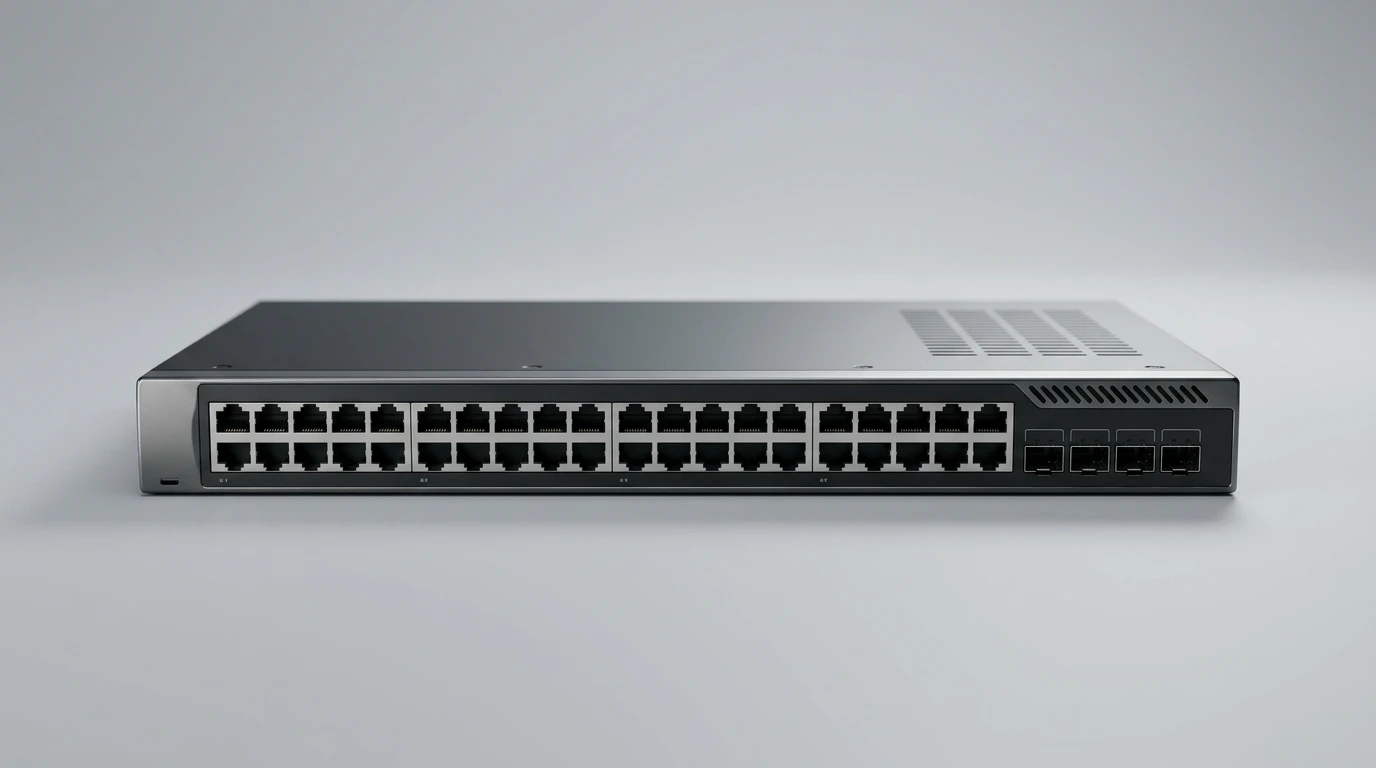
Saudi Arabia is experiencing rapid technological advancement across all commercial sectors. Businesses operating within the Kingdom require robust communication infrastructures to sustain growth, ensure security, and maintain operational efficiency. The foundation of this digital infrastructure relies heavily on selecting the correct networking hardware.
A network switch serves as the central hub for all your wired devices, directing data traffic precisely where it needs to go. Whether you are connecting computers, printers, IP telephony systems, or servers, the switch dictates the speed and reliability of your internal network. Selecting the incorrect hardware can lead to data bottlenecks, security vulnerabilities, and frequent network downtime.
This comprehensive guide provides detailed and precise information to help you evaluate your technical requirements. By understanding the core functionalities of modern networking equipment, you can confidently select the optimal network switch to empower your business operations and support long-term scalability.
Understanding the Core Functions of a Network Switch
A network switch connects devices within a Local Area Network (LAN) and forwards data packets to and from those devices. Unlike a basic network hub, which sends data to every connected device, a switch intelligently directs traffic only to the specific device that requested it. This targeted data delivery preserves bandwidth and significantly improves overall network performance.
Modern businesses require secure, flexible, and high-performance communication systems. A well-chosen switch optimizes data flow, ensuring that critical applications run smoothly without interruption. For organizations in KSA handling sensitive client data or relying on real-time video conferencing solutions, this level of reliability is an absolute necessity.
Key Factors When Selecting a Network Switch
Evaluating your current and future network needs is the first step in the selection process. Consider the following structural elements when comparing hardware options.
Managed vs. Unmanaged Switches
The most fundamental decision is choosing between managed and unmanaged architecture.
Unmanaged switches are plug-and-play devices. They allow devices to communicate with one another immediately upon connection, requiring no configuration. These are typically suitable for very small branch offices or temporary setups where advanced network monitoring is unnecessary.
Managed switches provide comprehensive control over your network traffic. They allow network administrators to configure virtual LANs (VLANs), prioritize specific types of data (Quality of Service), and monitor network health using SNMP (Simple Network Management Protocol). For growing enterprises in Saudi Arabia requiring stringent cybersecurity systems, managed switches are the mandatory standard.
Port Count and Speed Requirements
Your port count dictates how many physical devices can connect to your network. Switches commonly come in 8, 16, 24, and 48-port configurations. We recommend auditing your current active devices and adding a 30% buffer to accommodate future expansion.
Speed is equally critical. While Fast Ethernet (10/100 Mbps) was once standard, Gigabit Ethernet (10/100/1000 Mbps) is now the baseline for business operations. If your organization handles large data transfers, such as video editing or extensive database management, consider switches supporting 10-Gigabit (10GbE) uplink ports to prevent bottlenecks between the switch and your core servers.
Power over Ethernet (PoE) Capabilities
Power over Ethernet (PoE) allows a network switch to deliver both data and electrical power over a single Ethernet cable. This technology is vital for deploying modern infrastructure.
If your facility utilizes IP telephony, IP security cameras, or wireless access points, a PoE-enabled switch eliminates the need for separate electrical wiring to each device. Ensure you calculate the total power budget required by your devices and select a PoE switch that can comfortably supply that wattage across all active ports.
Scalability for Business Growth
Network infrastructure is a long-term investment. Consider stackable switches if you anticipate rapid organizational growth. Stacking allows multiple physical switches to be linked and managed as a single logical unit. This simplifies administration and provides seamless scalability as your team expands.
Aligning Your Choice with KSA Business Requirements
The Saudi Arabian market presents unique environmental and regulatory conditions. Hardware must often withstand high ambient temperatures, making the operating temperature range of your networking equipment a valid consideration for industrial deployments.
Furthermore, alignment with local data compliance standards necessitates highly secure networking environments. Choosing managed switches from world-leading brands ensures you have the firmware updates and security protocols necessary to protect your enterprise network from unauthorized access. Every product you integrate should be tested and proven to meet the highest industry standards, ensuring optimal performance and durability. Explore our full range of networking solutions to find hardware built for KSA business environments.
Frequently Asked Questions
-
What is the difference between a router and a network switch?
A router connects multiple different networks together (such as connecting your business network to the internet) and assigns IP addresses. A network switch connects various devices together within a single network, allowing them to communicate directly with one another.
-
Do I need a managed switch for a small business in KSA?
If your business handles sensitive data, requires VoIP phone systems, or plans to scale rapidly, a managed switch is highly recommended. It provides the necessary security controls and traffic prioritization that an unmanaged plug-and-play switch cannot offer.
-
What is Power over Ethernet (PoE) and why is it important?
PoE is a technology that passes electric power along with data on twisted-pair Ethernet cabling. It is important because it allows a single cable to provide both data connection and electrical power to devices such as wireless access points and IP cameras, reducing installation costs and complexity.
-
How many ports does my business network switch need?
Count the total number of wired devices (computers, printers, servers, phones) currently in your office. Select a switch that accommodates this number while providing at least 20% to 30% additional open ports to support future hires and new device additions without requiring immediate hardware upgrades.
-
How often should I upgrade my network switches?
Enterprise-grade network switches typically have a lifecycle of five to seven years. However, you should consider upgrading sooner if you are experiencing persistent network bottlenecks, require faster port speeds (like moving from Gigabit to 10GbE), or if the manufacturer no longer provides critical security firmware updates. Our team can assist through our IT technical consultations service to assess your current infrastructure.
Empower Your Infrastructure Today
Selecting the ideal network switch is a critical step in building a resilient, high-performance IT environment. By carefully evaluating your needs regarding management capabilities, port density, and PoE requirements, you can build a robust foundation for your organization.
Blue Edge for Communication and Technology is dedicated to empowering our partners and clients across Saudi Arabia by delivering cutting-edge communication and technology solutions. If you require expert guidance in designing your structured cabling infrastructure or selecting enterprise networking hardware, our team of specialists is ready to assist you. Contact us today to secure a tailored technology solution that drives your business forward.
About Blue Edge
Blue Edge Company is a value-added technology distributor based in Dammam, Saudi Arabia, supplying interactive displays, smart building systems, networking infrastructure and IT security software to businesses and residential projects across the Kingdom, with installation and technical support.
Learn more about Blue Edge →Published 1 May 2026 • Last updated 23 September 2026 • This article is reviewed when standards, regulations or product guidance change.