Shopping Cart


- Articles
- Technology Trends
- Top Smart Hotel Technology Trends | Modern Hospitality Technology Guide
Top Smart Hotel Technology Trends | Modern Hospitality Technology Guide
Explore the latest smart hotel technology trends including IoT room controls, AI automation, mobile keyless entry, cybersecurity, and energy management systems.
By Blue Edge Team | Published May 21, 2026 | Updated Sep 23, 2026 | 3 min read
The hospitality industry requires secure, flexible, and high-performance technological systems to meet evolving customer expectations. Smart hotel technology integrates various digital solutions to enhance operational efficiency, ensure data security, and deliver an exceptional guest experience.
By implementing cutting-edge communication and technology solutions, hoteliers empower their staff and provide guests with unprecedented control over their environment. This seamless integration of devices forms the foundation of modern hospitality management.
The following trends highlight the most critical advancements in smart hotel infrastructure.
Key Smart Hotel Technology Trends
To maintain a competitive advantage, modern businesses must adopt robust technological frameworks. The most impactful smart hotel technologies focus on connectivity, automation, and security.
IoT and Integrated Room Controls
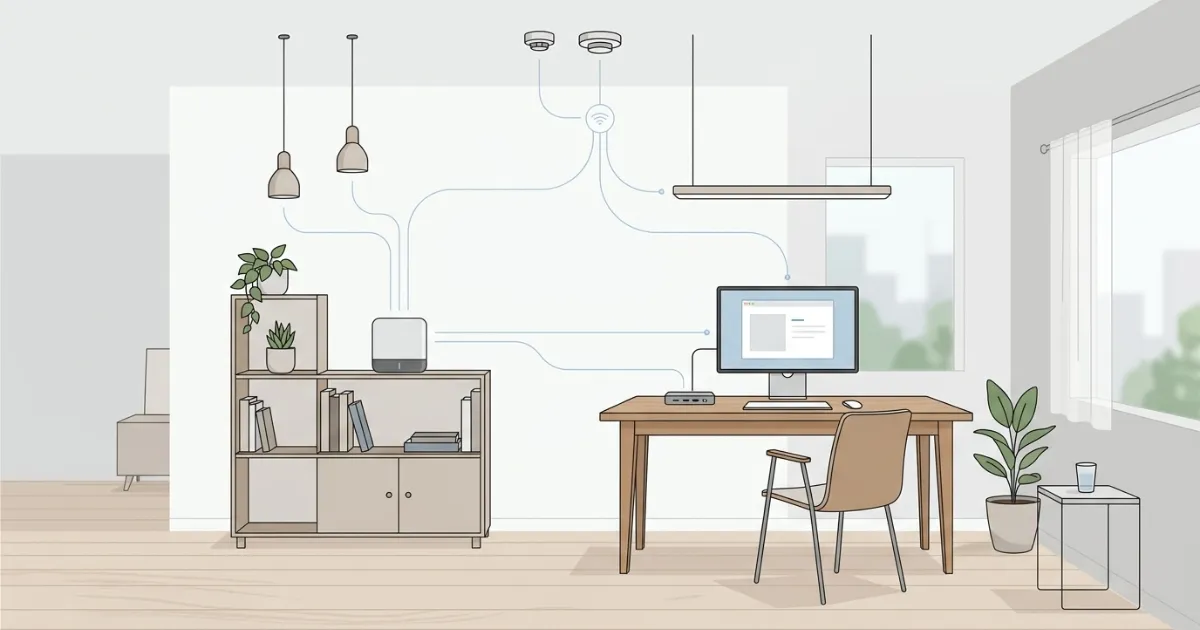
The Internet of Things (IoT) connects physical devices within a hotel room to a centralized network. This allows guests to control their immediate environment with precision.
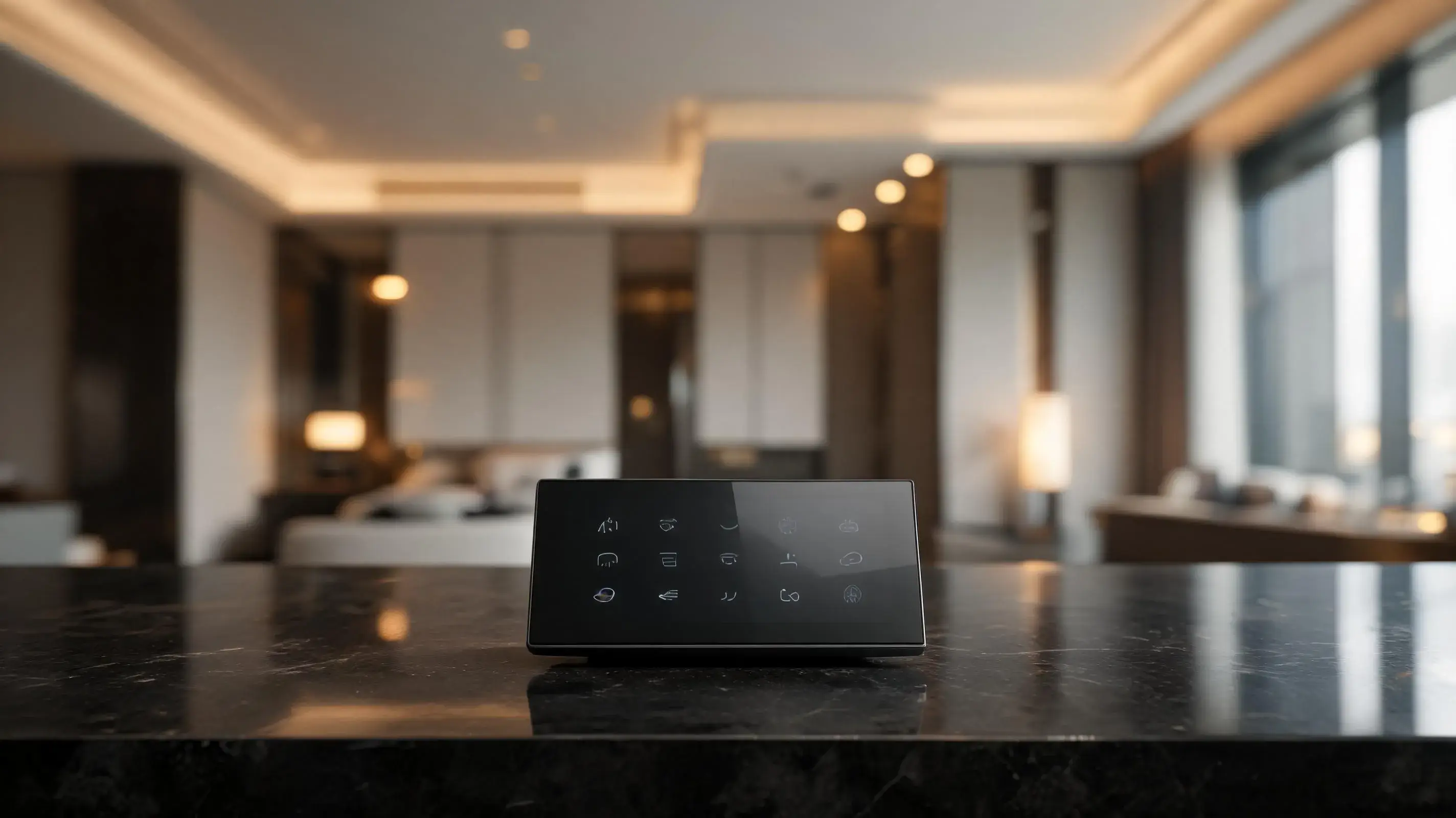
- Centralized Management: Guests can adjust lighting, climate, and entertainment systems from a single dedicated tablet or their personal smartphone.
- Personalized Settings: Systems can remember guest preferences for future visits, automatically adjusting room temperature and lighting upon check-in.
- Maintenance Alerts: Connected devices automatically notify hotel engineering teams when a component requires maintenance, preventing guest disruption.
Mobile Keyless Entry Systems
Physical room keys and standard magnetic cards are rapidly being replaced by mobile access solutions.
- Seamless Check-In: Guests bypass the front desk entirely, using a secure application on their smartphone to unlock their room.
- Enhanced Security: Encrypted digital keys reduce the risk of unauthorized access associated with lost or stolen physical cards.
- Operational Efficiency: Hotel staff spend less time managing physical key inventory and more time focusing on personalized guest services.
Artificial Intelligence and Virtual Assistants
Artificial Intelligence (AI) provides highly responsive, 24/7 support for hotel guests while streamlining back-of-house operations.
- In-Room Voice Assistants: Smart speakers allow guests to request extra towels, order room service, or inquire about hotel amenities using natural language commands.
- Automated Concierge Services: AI-driven chatbots handle routine inquiries on the hotel website and mobile application, delivering immediate and accurate responses.
- Predictive Analytics: AI systems analyze historical booking data to forecast demand, allowing management to optimize room pricing and staffing levels.
Automated Energy Management
Sustainability and cost reduction are paramount for modern businesses. Smart energy management systems utilize advanced sensors to optimize resource consumption.
- Occupancy Sensors: Thermal and motion sensors detect when a room is vacant, automatically adjusting the HVAC system and turning off lights to conserve energy.
- Peak Load Management: The system intelligently limits energy usage during periods of high demand to reduce utility costs.
- Sustainability Reporting: Detailed dashboards provide hotel operators with precise data on energy consumption, supporting corporate sustainability goals.
Advanced Cybersecurity Measures
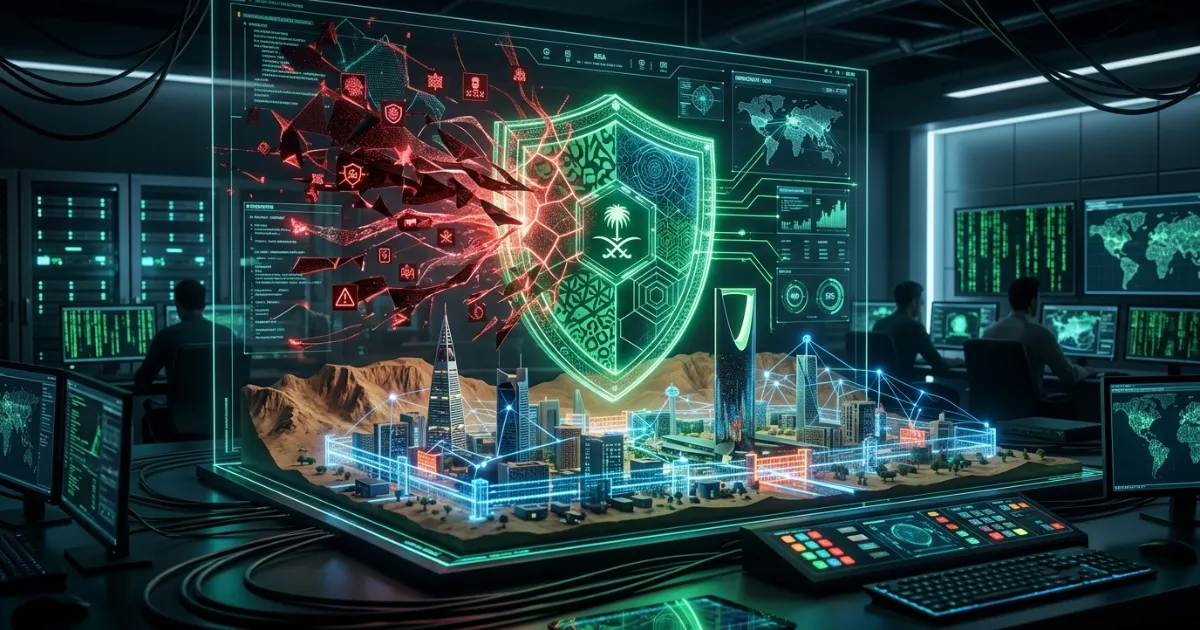
As hotels adopt more networked devices, protecting the underlying communication infrastructure becomes a critical priority.
- Network Segmentation: Guest Wi-Fi networks are strictly separated from operational and administrative networks to prevent unauthorized data access.
- Continuous Monitoring: Intrusion detection systems monitor network traffic in real-time, instantly flagging anomalous behavior.
- Data Encryption: All guest data, from payment processing to mobile key transmission, is secured using end-to-end encryption protocols.
Frequently Asked Questions
-
What constitutes a smart hotel?
A smart hotel utilizes internet-connected devices, automated systems, and structured cabling infrastructure to optimize operations and enhance the guest experience. These facilities integrate technologies like IoT, AI, and advanced networking to create a highly responsive and efficient environment.
-
How does smart hotel technology improve the guest experience?
Smart technology provides guests with enhanced convenience, personalization, and autonomy. Through features like mobile check-in, personalized room controls, and instant communication via virtual assistants, guests enjoy a seamless and highly tailored stay.
-
Are smart hotel technologies secure?
Yes, provided they are implemented alongside robust cybersecurity systems. Professional technology providers utilize network segmentation, data encryption, and continuous monitoring to ensure that both guest data and operational infrastructure remain completely secure.
-
How do automated energy management systems function?
These systems rely on a network of occupancy sensors and smart thermostats. When a sensor detects that a room is empty, the system automatically reduces heating or cooling and turns off unnecessary lighting, significantly lowering the property's overall energy consumption without impacting guest comfort.
-
What is the expected ROI for implementing smart hotel technology?
Hotels typically see a strong return on investment through reduced utility costs, enhanced operational efficiency, and increased guest loyalty. Automated energy management directly lowers monthly expenses, while modernized guest experiences drive positive reviews and repeat bookings.
Elevating Hospitality with Innovative Solutions
The implementation of smart hotel technology represents a necessary evolution in hospitality management. By integrating intelligent room controls, AI-driven services, and robust cybersecurity systems, hotels deliver optimal performance and unparalleled guest satisfaction. Hoteliers must partner with reliable technology providers to ensure these systems meet the highest industry standards. Embracing these advanced communication and technology solutions ensures a secure, flexible, and high-performance environment for the future.
About Blue Edge
Blue Edge Company is a value-added technology distributor based in Dammam, Saudi Arabia, supplying interactive displays, smart building systems, networking infrastructure and IT security software to businesses and residential projects across the Kingdom, with installation and technical support.
Learn more about Blue Edge →Published 21 May 2026 • Last updated 23 September 2026 • This article is reviewed when standards, regulations or product guidance change.