Shopping Cart



What Is a Building Management System and How Does It Work?
Learn what a Building Management System (BMS) is, how it works, and how it improves energy efficiency, building automation, security, and facility management.
By Blue Edge Team | Jun 14, 2026
What Is a Building Management System and How Does It Work?
Quick answer: A Building Management System (BMS) is a centralized control platform that monitors and automates a building's core systems—HVAC, lighting, security, and energy. By integrating these systems into one interface, a BMS improves operational efficiency, reduces energy consumption, and lowers facility management costs.
Facility managers and building owners face a common challenge: keeping complex infrastructure running efficiently while controlling costs. A Building Management System addresses this challenge directly. Whether you oversee a commercial tower, a hospital, or a smart campus, understanding how a BMS works is the first step toward smarter, more sustainable operations.
What is a Building Management System?
A Building Management System—also referred to as a Building Automation System (BAS)—is a computer-based control system installed in buildings to manage and monitor mechanical, electrical, and electromechanical services.
Core systems a BMS typically controls include:
- HVAC (Heating, Ventilation, and Air Conditioning)
- Lighting systems
- Power and energy management
- Fire detection and suppression
- Access control and security
- Elevators and escalators
- Water and plumbing systems
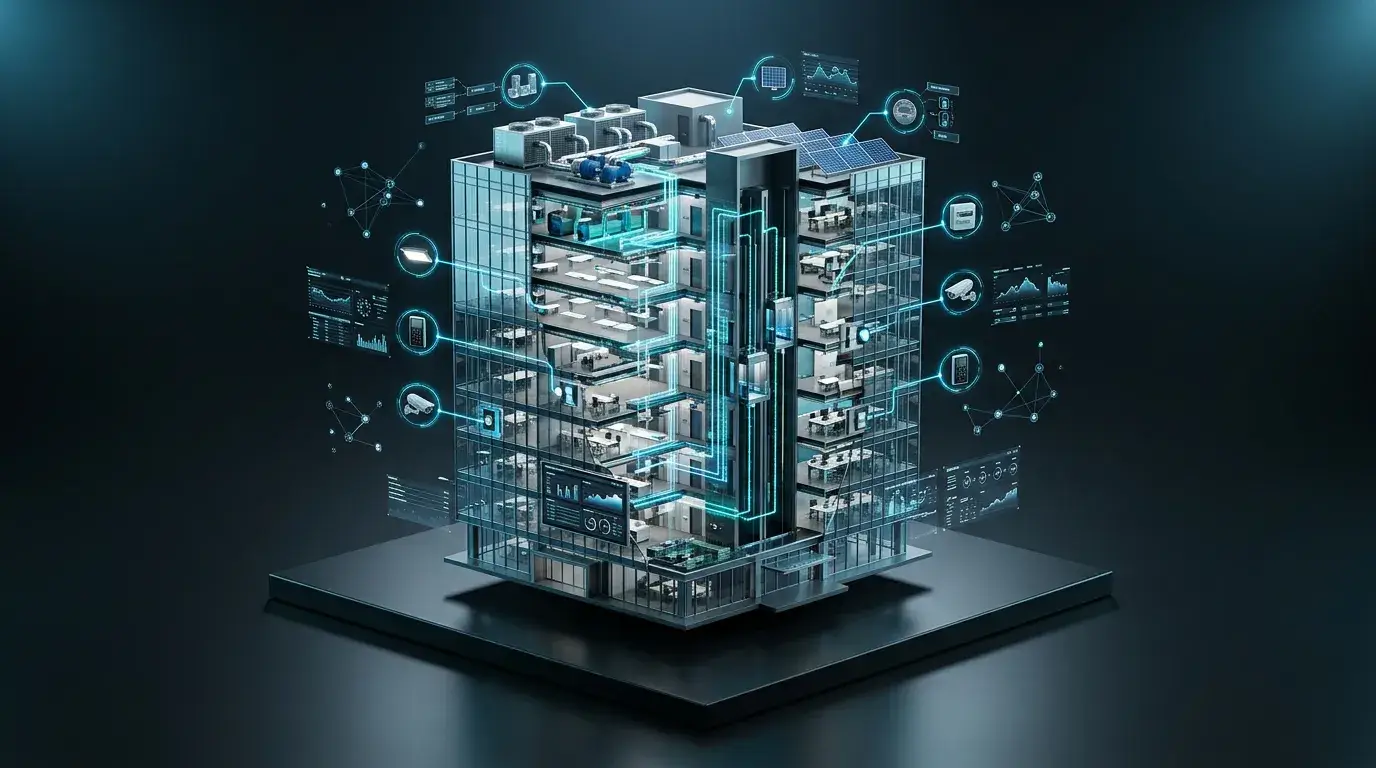
Rather than managing each system in isolation, a BMS integrates them into a single, unified platform—giving facility teams real-time visibility and centralized control over every function.
How Does a Building Management System Work?
A BMS operates through three interconnected layers:
1. Sensors and Field Devices
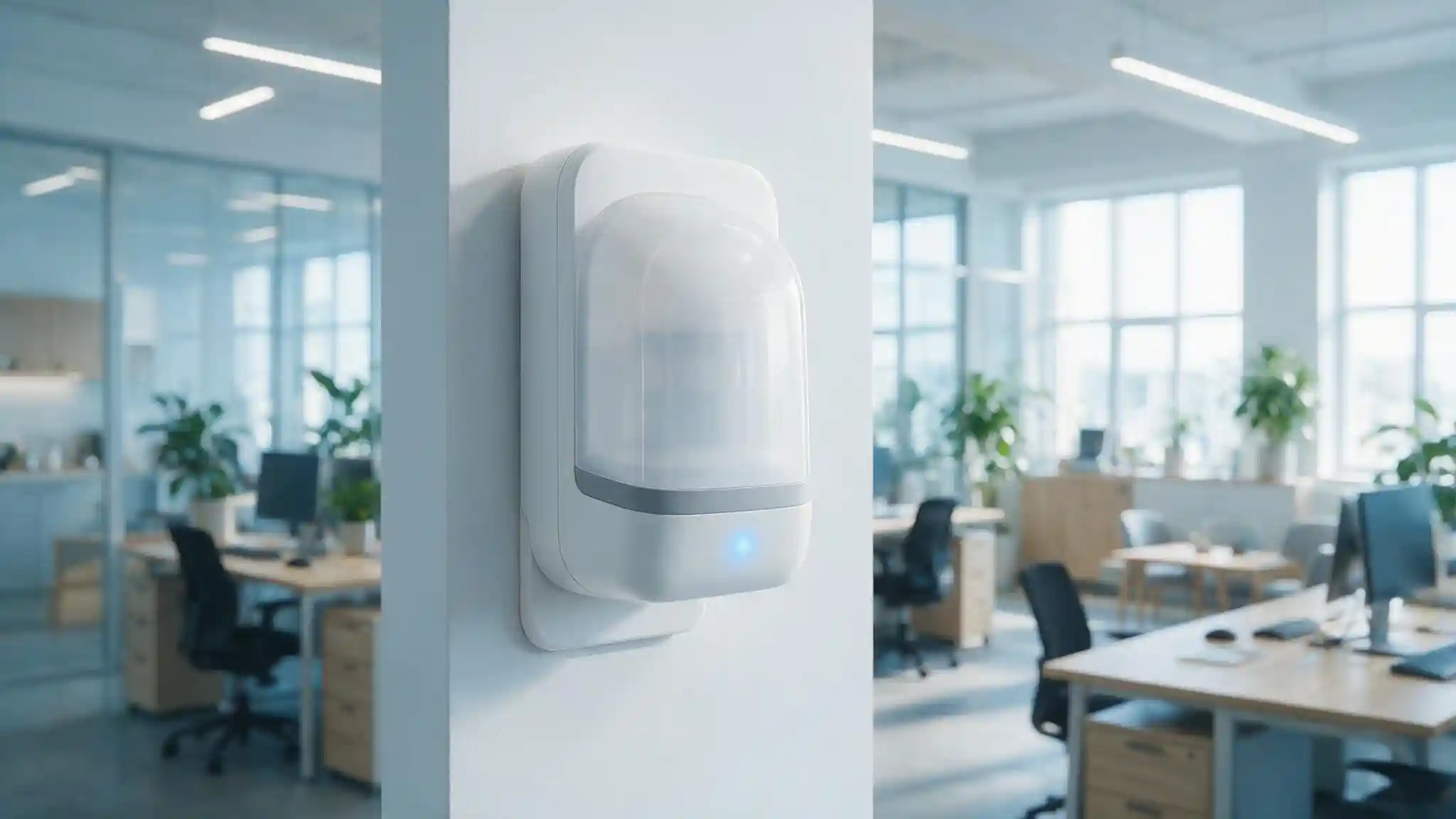
Sensors installed throughout the building collect real-time data—temperature, humidity, occupancy, air quality, and energy usage. These devices form the foundation of the system, feeding live data upward for processing.
2. Controllers
Programmable controllers receive data from sensors and execute predefined rules. For example, if an occupancy sensor detects an empty conference room, the controller instructs the HVAC system to reduce airflow and the lighting system to switch off automatically.
3. Central Management Software
All data flows to a central software interface—typically accessible via desktop or mobile. Facility managers use this dashboard to monitor performance, set schedules, receive alerts, and generate energy reports. Many modern platforms use cloud-based architecture for remote access and scalability.
Communication protocols such as BACnet, Modbus, and LonWorks enable different systems and devices to communicate within the BMS ecosystem, regardless of manufacturer.
What Are the Key Benefits of a Building Management System?
Energy Efficiency and Cost Reduction
According to the U.S. Department of Energy, buildings account for approximately 40% of total energy consumption in the United States. A properly configured BMS can reduce a building's energy use by 20–30% by automating HVAC scheduling, optimizing lighting, and identifying waste in real time.
Centralized Monitoring and Control
Facility managers gain a single point of control for all building systems. This eliminates the need to manage multiple standalone platforms and significantly reduces response time when issues arise.
Preventive Maintenance
A BMS continuously tracks equipment performance and flags anomalies before they escalate into failures. This predictive capability extends the lifespan of critical assets and reduces unplanned downtime.
Improved Occupant Comfort
Automated climate and lighting adjustments based on occupancy and time-of-day schedules create a consistently comfortable environment—without manual intervention.
Enhanced Security and Compliance
Integrated access control, surveillance, and fire safety systems ensure that security protocols are enforced consistently. Automated logs also support regulatory compliance and audit readiness.
Where Are Building Management Systems Used?
BMS technology is deployed across a wide range of building types:
- Commercial office buildings — for energy optimization and tenant comfort
- Hospitals and healthcare facilities — for precise environmental control and compliance
- Data centers — for cooling management and uptime assurance
- Educational institutions — for energy savings across large campuses
- Hotels and hospitality venues — for guest comfort automation
- Industrial facilities — for process monitoring and safety
The scalability of modern BMS platforms means they can be configured for a single-floor office or an entire multi-building campus.
What Is the Difference Between a BMS and a SCADA System?
This is a common point of confusion. Both systems monitor and control operational infrastructure, but they serve different environments.
- A BMS is designed specifically for building environments—focusing on comfort, energy, and occupant safety.
- A SCADA (Supervisory Control and Data Acquisition) system is built for industrial processes—such as manufacturing, utilities, and oil and gas operations.
While some large facilities integrate both, they operate on different protocols and serve distinct operational purposes.
Frequently Asked Questions
-
What is the primary purpose of a Building Management System?
A BMS is designed to centralize control of a building's mechanical and electrical systems, improving energy efficiency, reducing operating costs, and enhancing occupant comfort through automated monitoring and control.
-
How much can a BMS reduce energy costs?
Studies from the U.S. Department of Energy indicate that a well-implemented BMS can reduce building energy consumption by 20–30%, depending on the building type, existing infrastructure, and configuration.
-
What communication protocols does a BMS use?
The most widely used protocols include BACnet, Modbus, and LonWorks. BACnet is the most common standard in commercial building automation due to its interoperability across different manufacturers.
-
Is a Building Management System suitable for small buildings?
Yes. Scalable BMS solutions exist for buildings of all sizes. Smaller facilities may use lighter systems focused on HVAC and lighting, while large campuses may deploy enterprise-grade platforms with advanced analytics.
-
How long does it take to implement a BMS?
Implementation timelines vary based on building size and system complexity. A standard commercial installation typically takes between 3 and 12 months, including hardware installation, system integration, and commissioning.
-
What is the difference between a BMS and a smart building?
A BMS is a core component of a smart building, but not the entirety of it. A smart building integrates a BMS with IoT sensors, AI-driven analytics, and occupant-facing applications to deliver a more advanced, data-driven environment.
Take the Next Step Toward Smarter Building Management
A Building Management System is one of the most impactful investments a facility can make—delivering measurable returns through energy savings, operational efficiency, and improved occupant experience.
Ready to explore the right BMS solution for your building? Contact our team today for a consultation. We'll assess your current infrastructure and recommend a tailored, scalable solution that meets your operational goals and budget.