Shopping Cart


- Articles
- Smart Buildings
- What Is a Smart Elevator System and How Does It Work?
What Is a Smart Elevator System and How Does It Work?
Learn how smart elevator systems use AI, sensors, and destination dispatch technology to improve efficiency, reduce wait times, enhance security, and lower energy consumption.
By Blue Edge Team | Published Jun 17, 2026 | Updated Sep 23, 2026 | 5 min read
Quick answer
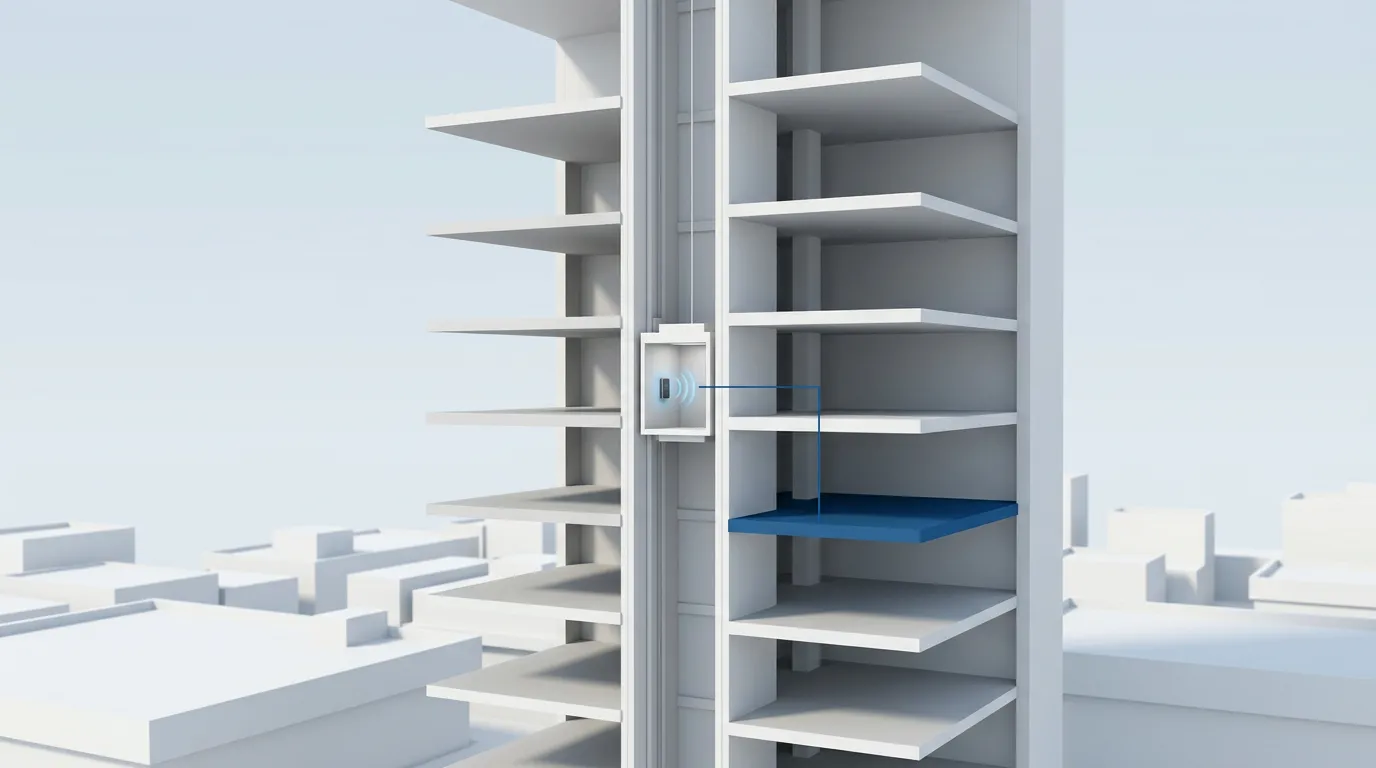
A smart elevator system uses sensors, artificial intelligence, and destination dispatch technology to manage vertical transportation more efficiently. It groups passengers by destination, reduces wait times, monitors performance in real time, and integrates with building security and management systems for safer, faster, and more energy-efficient travel.
Vertical transportation has moved far beyond the simple up-and-down button. Today's buildings demand systems that think, predict, and adapt. A smart elevator system does exactly that—combining advanced technology with intelligent control to deliver a faster, safer, and more efficient experience for every passenger.
This guide explains what a smart elevator system is, how it works, and why it has become essential for modern commercial and residential buildings. Whether you manage a high-rise office, a hotel, or a mixed-use development, understanding this technology will help you make informed decisions about your building's infrastructure.
What is a smart elevator system?
A smart elevator system is an intelligent vertical transportation solution that uses sensors, software, and connectivity to optimize how elevators operate. Unlike traditional elevators that respond to basic call buttons, smart elevators analyze passenger traffic, predict demand, and route cars efficiently.
Key characteristics include:
- Destination dispatch control that groups passengers traveling to similar floors
- Real-time monitoring of performance, location, and usage patterns
- Integration with building management, security, and access control systems
- Predictive maintenance powered by data analytics and sensors
- Energy-efficient operation through regenerative drives and smart scheduling
How does a smart elevator system work?
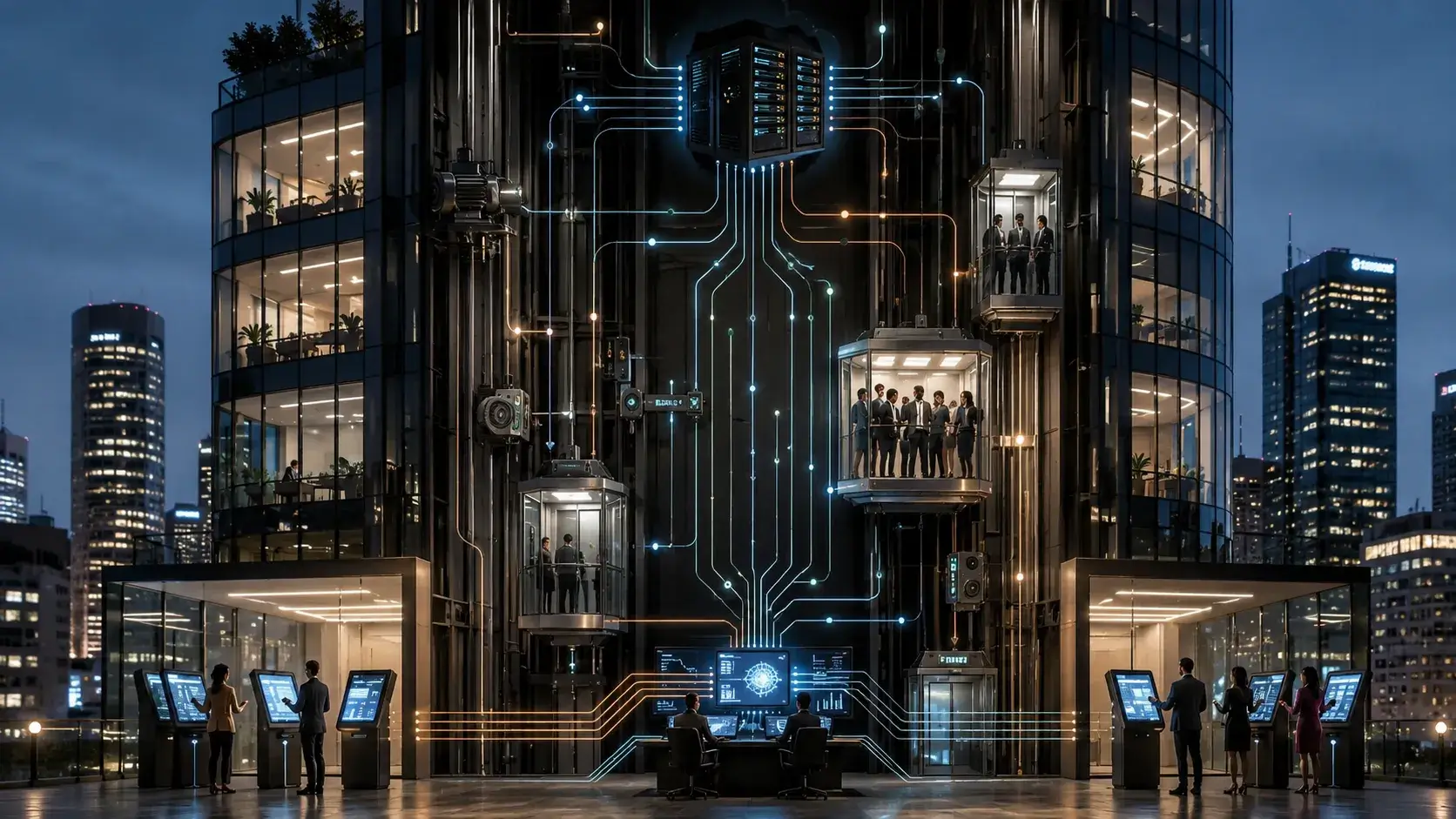
A smart elevator system works by collecting data, processing it through intelligent software, and dispatching cars in the most efficient way possible. The process can be broken down into clear stages.
1. Passenger input and destination dispatch
Instead of pressing an up or down button, passengers enter their destination floor at a central terminal or through a mobile app. The system then assigns them to a specific car traveling to that floor.
- Passengers heading to the same floors are grouped together
- The system reduces the number of stops per trip
- Wait times and travel times drop significantly
2. Sensor and data collection
Sensors throughout the system gather information continuously.
- Load sensors measure how full each car is
- Position sensors track car location in real time
- Traffic sensors monitor passenger flow during peak and off-peak hours
3. Intelligent processing with AI
Artificial intelligence and algorithms analyze the collected data to make decisions.
- The system predicts demand based on historical traffic patterns
- It dynamically reroutes cars to balance the load across the building
- It minimizes energy use during low-demand periods
4. System integration
Smart elevators connect with other building systems for a unified experience.
- Access control restricts certain floors to authorized users
- Security systems link with cameras and emergency protocols
- Building management systems track performance and energy use
5. Predictive maintenance
Data analytics identify potential issues before they cause breakdowns.
- Sensors detect unusual vibrations, temperature changes, or wear
- The system alerts technicians to service components proactively
- Downtime and emergency repairs are reduced
What are the main benefits of smart elevator systems?
Smart elevator systems deliver measurable advantages for building owners, managers, and passengers.
- Reduced wait times: Destination dispatch can cut waiting and travel times by grouping passengers efficiently.
- Improved energy efficiency: Regenerative drives and smart scheduling lower power consumption.
- Enhanced security: Floor access can be restricted to authorized personnel, improving building safety.
- Lower maintenance costs: Predictive maintenance reduces unexpected breakdowns and extends equipment life.
- Better passenger experience: Faster, smoother, and more organized travel increases tenant satisfaction.
- Scalability: Systems can adapt as building occupancy and traffic patterns change over time.
Where are smart elevator systems used?
Smart elevator systems suit a wide range of buildings, particularly those with heavy traffic or complex access needs.
- Commercial high-rises managing large volumes of employees and visitors
- Hotels requiring smooth guest flow and secure floor access
- Hospitals needing reliable, prioritized transport for staff and equipment
- Residential towers offering convenience and security for residents
- Mixed-use developments balancing retail, office, and residential traffic
Choosing the right smart elevator system
The best system depends on your building's size, traffic patterns, and goals.
- Choose destination dispatch if reducing wait times in a busy high-rise is your priority.
- Prioritize predictive maintenance if minimizing downtime and long-term costs matters most.
- Focus on system integration if you need elevators to work seamlessly with security and access control.
- Look for energy-efficient features if sustainability and operating costs are key concerns.
Frequently Asked Questions
-
How much does a smart elevator system cost?
Costs vary based on building height, number of cars, and the features selected. Factors include destination dispatch hardware, integration with existing systems, and ongoing maintenance contracts. A detailed assessment from a qualified provider gives the most accurate estimate.
-
Can smart technology be added to existing elevators?
Yes. Many existing elevators can be modernized with smart controls, sensors, and destination dispatch systems. Retrofitting is often more cost-effective than full replacement and extends the life of existing equipment.
-
Are smart elevators safe?
Smart elevators are designed with multiple safety layers, including real-time monitoring, predictive maintenance, and integration with emergency protocols. These features often make them safer than conventional systems.
-
How do smart elevators save energy?
Smart elevators use regenerative drives that capture and reuse energy, along with intelligent scheduling that reduces unnecessary trips during low-demand periods. This lowers overall power consumption.
-
What is destination dispatch?
Destination dispatch is a control method where passengers select their floor before boarding. The system groups passengers by destination and assigns them to the most efficient car, reducing stops and travel time.
Upgrade your building with smart elevator technology
A smart elevator system is a long-term investment in efficiency, safety, and tenant satisfaction. By combining intelligent control, real-time data, and seamless integration, these systems transform how people move through your building.
If you're ready to modernize your vertical transportation, our team can help you assess your building's needs and recommend the right solution. Contact us today to discover how a smart elevator system can elevate your building's performance.
About Blue Edge
Blue Edge Company is a value-added technology distributor based in Dammam, Saudi Arabia, supplying interactive displays, smart building systems, networking infrastructure and IT security software to businesses and residential projects across the Kingdom, with installation and technical support.
Learn more about Blue Edge →Published 17 June 2026 • Last updated 23 September 2026 • This article is reviewed when standards, regulations or product guidance change.