Shopping Cart



Why Your Smart Infrastructure Is Already Obsolete
Discover why your smart infrastructure is outdated and how to upgrade for better performance, security, and scalability in modern enterprise environments.
By Blue Edge Team | May 03, 2026
Why Your Smart Infrastructure Is Already Obsolete
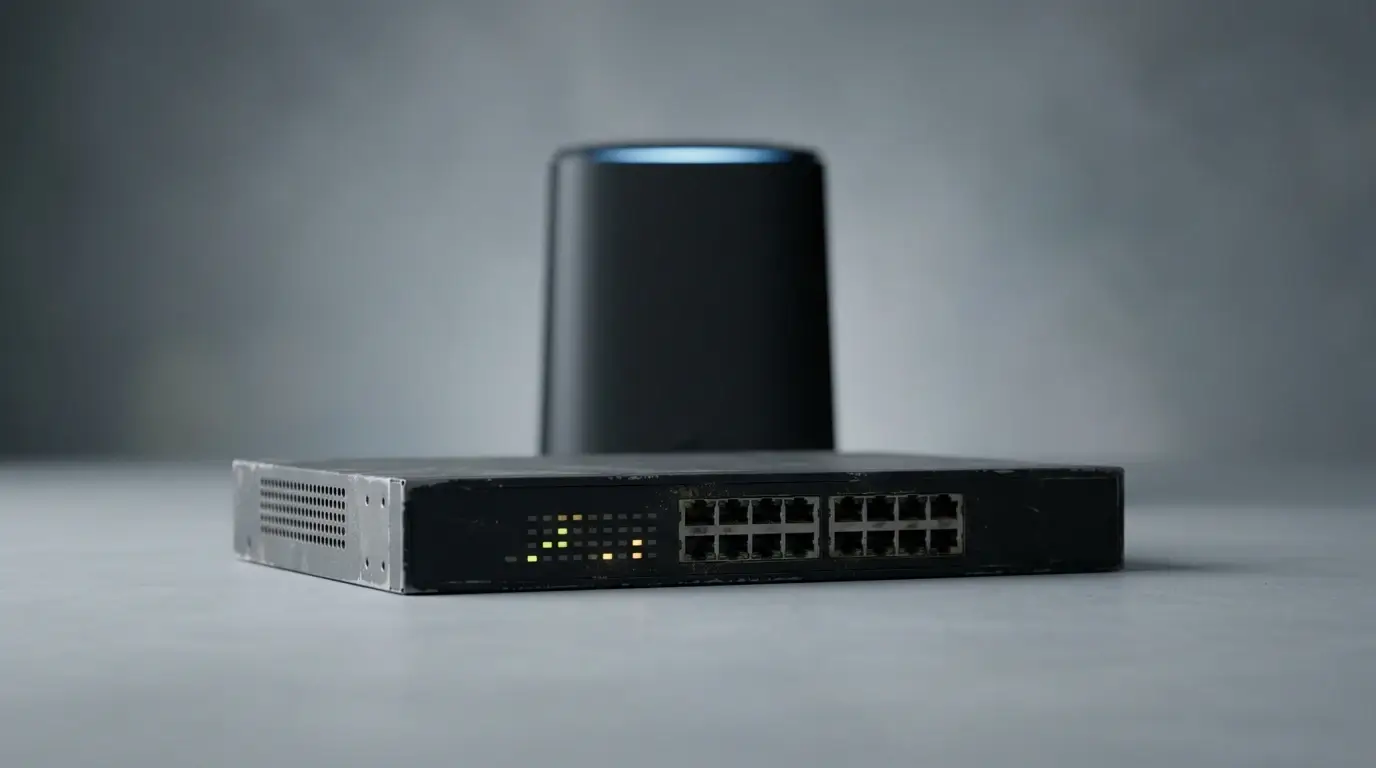
Technology advances at an unprecedented rate, leaving many organizations relying on systems that no longer meet modern operational standards. You might have installed a state-of-the-art intelligent system just a few years ago, confident that your facility was prepared for the future. However, the foundational requirements for connectivity, security, and efficiency have shifted dramatically. What was once considered cutting-edge is now struggling to keep up with the demands of modern business operations.
The issue lies in the rapid development of networking and processing capabilities. Hardware and software solutions that operate in isolation fail to provide the seamless integration required by contemporary enterprises. Facilities equipped with early-generation intelligent devices often lack the bandwidth, processing power, and security protocols necessary to handle the massive influx of data generated by modern workflows. This creates a hidden operational bottleneck that restricts growth and leaves your network vulnerable.
Understanding the limitations of your current setup is the first step toward achieving operational excellence. This guide outlines the critical signs that your technological foundation is aging, the risks associated with maintaining outdated systems, and the strategic upgrades necessary to empower your partners and clients with reliable, high-performance communication systems.
The Rapid Evolution of Smart Building Technologies
The concept of an intelligent facility has moved far beyond simple automated lighting and temperature control. Modern businesses require secure, flexible, and high-performance communication systems. The expectation now is a fully unified environment where every device communicates seamlessly, providing actionable data to optimize operations in real time.
The Shift from Isolated Systems to Integrated Networks
Early intelligent systems were deployed as isolated solutions. A building might have separate networks for IP telephony, security cameras, and environmental controls. This fragmented approach limits data sharing and creates redundant management processes. Modern enterprise networking demands a unified approach. Convergence onto a single, high-speed IP network allows for centralized management and significantly reduces operational overhead.
If your facility operates multiple distinct networks for different smart devices, your infrastructure is limiting your efficiency. Integrated systems are essential to ensure optimal performance and durability across all operational facets.
Key Indicators of Outdated Infrastructure
Identifying technological obsolescence requires a careful evaluation of your current network capabilities. Several specific indicators reveal that your systems are no longer aligned with the highest industry standards.
Inadequate Cybersecurity Systems
Legacy intelligent devices were often designed with functionality as the primary goal, leaving cybersecurity as an afterthought. Many early IoT devices lack basic encryption standards and cannot receive over-the-air firmware updates. This makes them prime targets for unauthorized access. Modern cybersecurity systems must protect every endpoint, including environmental sensors and automated access controls. If your infrastructure relies on devices that cannot support modern encryption protocols, your entire enterprise network is exposed to significant risk.
Lack of Scalable Enterprise Networking
Data consumption is growing exponentially. High-definition video conferencing solutions, cloud-based applications, and real-time data analytics require massive amounts of bandwidth. Older structured cabling infrastructure, such as Cat5e or early fiber optic deployments, simply cannot support the throughput required by modern enterprise operations. When network latency increases and system response times degrade during peak usage hours, your cabling and networking hardware are failing to meet your operational demands.
Poor Interoperability
Your systems must be able to communicate with one another. If your video conferencing solutions cannot integrate directly with your IP telephony and calendar systems, or if your environmental controls cannot adjust based on real-time occupancy data from your security cameras, your infrastructure is fragmented. Seamless interoperability is a fundamental requirement for any modern smart facility. Relying on proprietary systems that refuse to communicate with third-party platforms creates vendor lock-in and stifles innovation.
The Financial and Operational Risks of Falling Behind
Maintaining obsolete systems carries a high cost. Beyond the obvious security vulnerabilities, outdated infrastructure drains resources through inefficiencies.
Increased Maintenance Costs: Legacy systems require specialized knowledge to maintain, and replacement parts become increasingly difficult to source. The time spent troubleshooting incompatible hardware takes IT personnel away from strategic initiatives.
Decreased Productivity: Slow network speeds and unreliable video conferencing solutions disrupt communication. Employees lose valuable time attempting to connect to unstable systems, directly impacting your bottom line.
Missed Opportunities: Advanced analytics rely on unified data streams. Without a cohesive enterprise network, you cannot gather the insights necessary to optimize energy usage, improve space utilization, or enhance the overall user experience for your clients and partners.
How to Future-Proof Your Facility
Revitalizing your technological foundation requires a strategic approach. By partnering with world-leading brands and deploying tested, reliable solutions, you can build an environment that adapts to future technological shifts.
Upgrading Structured Cabling Infrastructure
The physical layer of your network dictates the absolute limit of your technological capabilities. Upgrading to high-capacity structured cabling is the most critical step in future-proofing your facility. Implementing Cat6a or advanced fiber optic cabling provides the bandwidth necessary to support upcoming generations of intelligent devices, high-speed Wi-Fi access points, and uncompressed video data. A robust cabling infrastructure ensures that your physical network will not become a bottleneck as your data requirements grow.
Implementing Advanced Video Conferencing Solutions
Communication is the core of modern business. Outdated boardroom setups that rely on legacy hardware frustrate users and project a poor image to clients. Modernizing your video conferencing solutions involves deploying high-definition, AI-enhanced cameras and superior audio arrays that integrate seamlessly with cloud-based collaboration platforms. These systems automatically adjust to room acoustics and participant positioning, providing a flawless communication experience.
Enhancing IP Telephony and Enterprise Networking
Replacing traditional PBX systems with modern IP telephony delivers flexible communication solutions that support remote and mobile workforces. When paired with robust enterprise networking hardware, these systems provide crystal-clear voice communication and seamless routing capabilities. Implementing software-defined networking (SDN) allows your IT team to dynamically allocate bandwidth and prioritize critical applications, ensuring that essential communication systems always maintain optimal performance.
Frequently Asked Questions
-
What is the lifespan of modern smart building infrastructure?
The physical structured cabling can last 15 to 20 years if installed correctly. However, networking hardware, cybersecurity systems, and intelligent endpoint devices typically require upgrades or replacements every 5 to 7 years to maintain peak performance and security compliance.
-
How do I know if my current cabling infrastructure needs upgrading?
You need an upgrade if your network experiences frequent slow-downs, struggles to support new high-definition video conferencing solutions, or if you are expanding your wireless network and your current cables cannot support the required Power over Ethernet (PoE) demands for new access points. Consider reaching out for IT technical consultations to assess your current setup.
-
Can we integrate new cybersecurity systems with our existing legacy devices?
Integration is sometimes possible using specialized network gateways and firewalls to isolate vulnerable legacy devices. However, this is a temporary measure. The most secure approach is to replace devices that can no longer receive firmware updates and lack modern encryption capabilities. Learn more about securing IoT devices in business environments.
-
Why is IP telephony superior to traditional phone systems?
IP telephony routes voice traffic over your enterprise data network, eliminating the need for separate telephone wiring. It offers greater scalability, allows employees to use their business numbers from mobile devices anywhere in the world, and integrates directly with modern customer relationship management (CRM) software. Explore our call center operating solutions to see how modern telephony can transform your operations.
-
What makes a video conferencing solution "advanced"?
Advanced solutions utilize artificial intelligence to automatically frame participants, cancel background noise, and adjust lighting. They are also hardware-agnostic, meaning they can connect seamlessly to Microsoft Teams, Zoom, Webex, and other major platforms without requiring complex manual configuration. Browse our video conferencing solutions to find the right fit for your organization.
Securing Your Technological Future
Operating a facility on obsolete infrastructure is a liability that compromises your security, efficiency, and ability to communicate effectively. True operational excellence requires a commitment to continuous technological improvement. By investing in modern enterprise networking, robust cybersecurity systems, and integrated communication solutions, you provide your business with the tools necessary to thrive.
We believe that providing reliable, cutting-edge technology solutions empowers your organization to build stronger connections with your clients and partners. Evaluate your current systems, identify the operational bottlenecks, and take decisive action to upgrade your infrastructure to meet the highest industry standards. Contact our team for a consultation, or explore our full range of services and products to get started today.