Shopping Cart


- Articles
- Smart Buildings
- Smart Building Essentials: BMS IoT and Integration Guide 2026
Smart Building Essentials: BMS IoT and Integration Guide 2026
Learn how BMS, IoT, and system integration work together in smart buildings to improve efficiency, security, and performance. Complete 2026 guide for modern facilities.
By Blue Edge Team | Published May 15, 2026 | Updated Sep 23, 2026 | 5 min read
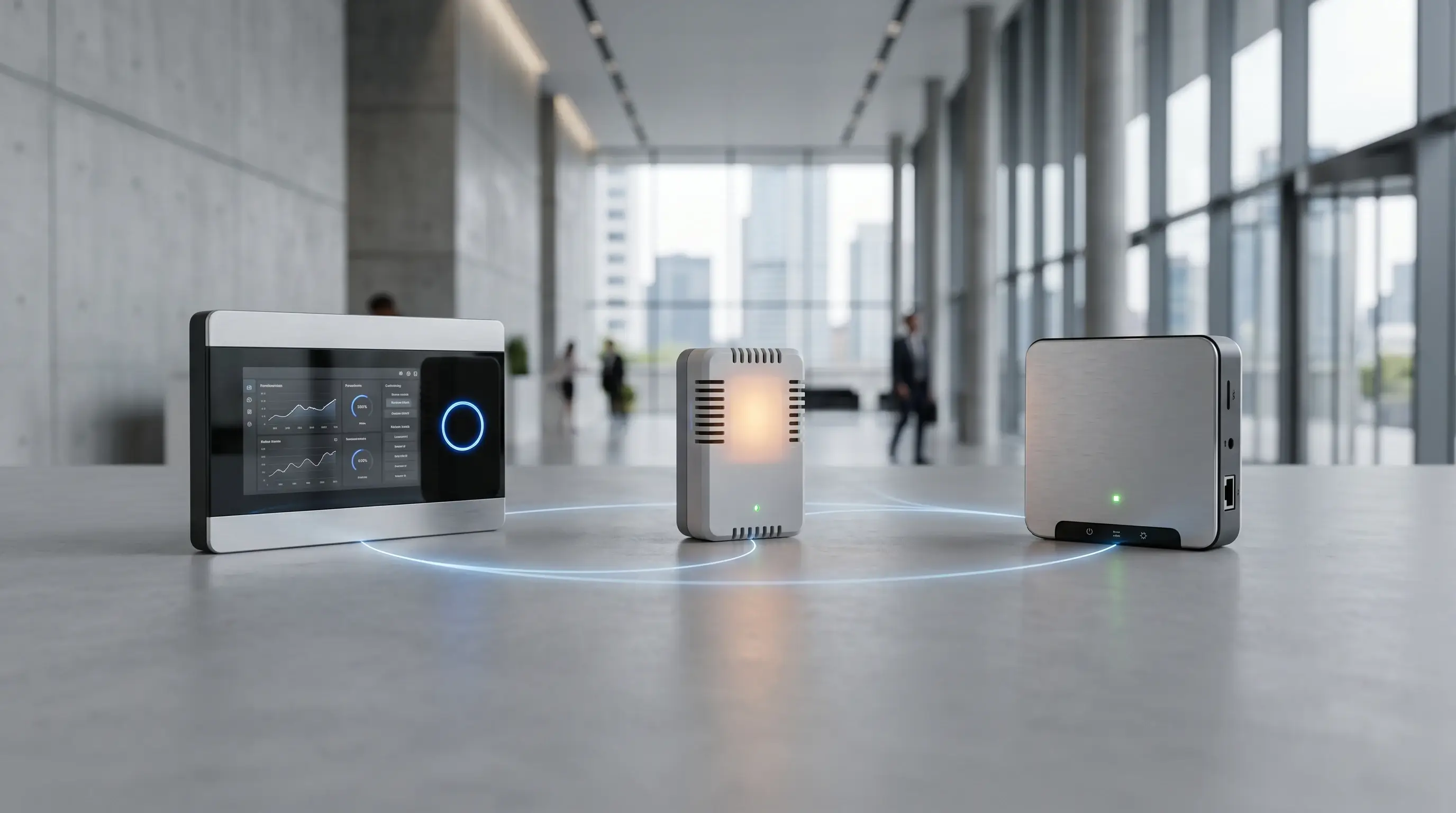
Modern commercial properties require secure, flexible, and high-performance infrastructure. Upgrading a traditional structure into a smart building involves deploying advanced systems that communicate seamlessly. Facility managers and property owners need precise control over energy consumption, security, and environmental conditions to maintain optimal performance and durability.
We understand that you seek solutions that optimize operations while ensuring the ultimate safety and comfort of your occupants. The transition to intelligent infrastructure is no longer a luxury; it is an operational necessity. High-performing facilities rely on interconnected technologies to automate routines, anticipate maintenance needs, and drastically reduce energy waste.
This comprehensive guide explains the core components of a smart building. You will learn how Building Management Systems (BMS) and the Internet of Things (IoT) work together to create an intelligent environment. By understanding these technologies, you can make informed decisions to future-proof your properties, enhance user experiences, and reduce overall operational costs.
Understanding Building Management Systems (BMS)
A Building Management System functions as the central nervous system of your facility. It is a computer-based control system installed in buildings to manage and monitor mechanical and electrical equipment. Implementing a robust BMS allows you to oversee critical infrastructure from a centralized dashboard, ensuring that every system operates at peak efficiency.
Core Functions of a BMS
A properly configured BMS provides direct control over several vital building functions. The primary areas managed by this system include:
HVAC Control: Regulates heating, ventilation, and air conditioning to maintain comfortable temperatures while minimizing energy expenditure.
Lighting Systems: Automates lighting schedules based on occupancy and natural light availability, ensuring you do not waste electricity in empty zones.
Security and Access: Integrates with surveillance cameras, door locks, and alarm systems to maintain a secure perimeter and internal environment.
Fire and Life Safety: Monitors smoke detectors and fire suppression systems, providing automated alerts and immediate response protocols during emergencies.
By utilizing a BMS, you ensure that your building's foundational systems are constantly monitored and optimized. This leads to extended equipment lifespans and significant reductions in utility expenses.
The Role of the Internet of Things (IoT) in Smart Facilities
While a BMS manages the large-scale mechanical systems, the Internet of Things introduces granular data collection and real-time responsiveness. IoT refers to a network of interconnected physical devices embedded with sensors, software, and connectivity protocols that allow them to collect and exchange data.
In a smart building, IoT acts as the sensory network. It gathers continuous, high-resolution data from every corner of your property, providing insights that a standalone BMS cannot capture.
How IoT Devices Enhance Data Collection
Deploying IoT technology transforms a static building into an adaptive environment. Key applications of IoT in smart buildings include:
Occupancy Tracking: Motion sensors and infrared detectors determine how different spaces are utilized throughout the day. You can use this data to redesign floor plans or adjust resource allocation.
Environmental Monitoring: Indoor air quality sensors measure carbon dioxide levels, humidity, and temperature, automatically signaling the HVAC system to adjust ventilation when conditions fall outside optimal parameters.
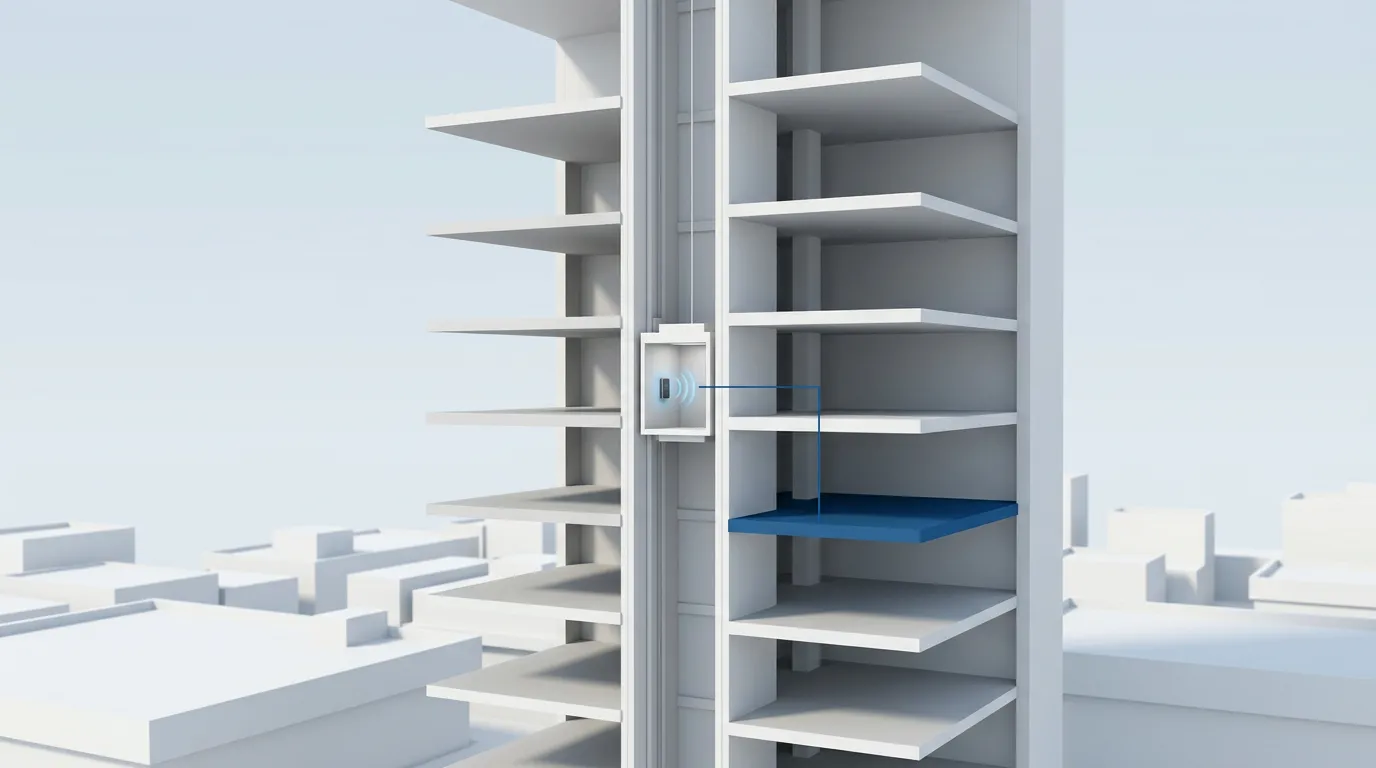
Predictive Maintenance: Sensors attached to motors, pumps, and elevators detect unusual vibrations or temperature spikes. This allows your maintenance teams to repair equipment before a catastrophic failure occurs.
Every product and sensor deployed must be tested and proven to meet the highest industry standards. This ensures that the data you rely on for critical decision-making is accurate and secure.
The Power of System Integration
The true potential of a smart building is unlocked when you integrate the BMS and IoT devices into a unified ecosystem. Integration bridges the gap between high-level mechanical control and localized sensor data. Instead of operating in isolated silos, your systems communicate dynamically to optimize the entire building's performance.
Achieving Operational Efficiency
When your BMS and IoT networks are fully integrated, the building begins to respond intelligently to real-time conditions. For instance, if an IoT sensor detects that a conference room is empty, it communicates this data to the integrated platform. The platform then instructs the BMS to turn off the lights and reduce the air conditioning in that specific room.
This level of integration provides several distinct advantages:
Centralized Analytics: You gain access to a single dashboard that displays comprehensive building performance metrics, making it easier to identify trends and inefficiencies.
Automated Responses: The system executes complex commands instantly without requiring human intervention, enhancing both comfort and energy savings.
Enhanced Cybersecurity: A unified system architecture allows IT teams to implement robust cybersecurity systems across all devices simultaneously, protecting sensitive data from external threats.
Frequently Asked Questions
-
What is the main difference between a BMS and IoT?
A BMS is traditionally a centralized control system used to manage heavy mechanical and electrical equipment like HVAC and central lighting. IoT consists of distributed, internet-connected sensors and devices that provide localized data and granular control. They work best when combined.
-
Can I integrate IoT devices into an existing, older BMS?
Yes. Many modern IoT solutions are designed to overlay onto legacy Building Management Systems. Through the use of secure APIs and middleware, you can connect new sensors to your existing infrastructure to enhance its capabilities without a complete system replacement.
-
How does a smart building improve energy efficiency?
Smart buildings use real-time data from occupancy sensors and weather forecasts to adjust heating, cooling, and lighting automatically. By ensuring that energy is only consumed where and when it is needed, smart buildings drastically reduce waste.
-
Are smart building systems secure against cyber attacks?
Security is a critical component of any modern technology infrastructure. By employing enterprise networking protocols, encryption, and dedicated cybersecurity systems, smart buildings can be highly secure. Regular software updates and network monitoring are essential to maintain this security.
-
What is the return on investment (ROI) for smart building technologies?
The ROI for smart building integration is typically realized within two to five years. Savings are generated through reduced utility bills, lower maintenance costs via predictive analytics, and increased tenant retention due to improved environmental comfort and reliability.
Future-Proofing Your Facility
Modern businesses require infrastructure that adapts to their evolving needs. By understanding and implementing the key components of a smart building—BMS, IoT, and seamless integration—you position your facility for long-term success. Blue Edge provides a wide range of technology solutions to help you achieve these goals, ensuring your property remains efficient, secure, and highly competitive.
Assess your current building systems today to identify areas where IoT sensors and BMS upgrades can deliver immediate value. Investing in smart integration will empower your organization, protect your assets, and create an exceptional environment for everyone who enters your doors.
About Blue Edge
Blue Edge Company is a value-added technology distributor based in Dammam, Saudi Arabia, supplying interactive displays, smart building systems, networking infrastructure and IT security software to businesses and residential projects across the Kingdom, with installation and technical support.
Learn more about Blue Edge →Published 15 May 2026 • Last updated 23 September 2026 • This article is reviewed when standards, regulations or product guidance change.