Shopping Cart



7 Common Networking Mistakes Businesses Make in Saudi Arabia
Discover the most common networking mistakes businesses make in Saudi Arabia and how to fix them with scalable, secure, and modern IT solutions.
By Blue Edge Team | May 01, 2026

7 Common Networking Mistakes Businesses Make in Saudi Arabia
The corporate landscape in Saudi Arabia is undergoing a rapid digital transformation, driven largely by the strategic goals of Vision 2030. Organizations across the Kingdom are upgrading their operations, adopting cloud computing, and expanding their digital footprints. However, the foundation of this digital expansion relies entirely on the strength and reliability of enterprise networks. When this foundation is weak, businesses face significant operational disruptions.
Many organizations inadvertently hinder their own progress by making critical errors in their network design and implementation. These missteps often lead to sluggish performance, critical security vulnerabilities, and ultimately, a loss of competitive advantage. Understanding where these pitfalls lie is the first step toward building an infrastructure that supports long-term success.
This guide provides a comprehensive overview of the most frequent networking mistakes businesses make in Saudi Arabia. By analyzing these common errors and outlining precise, actionable fixes, you will be equipped to optimize your technology infrastructure, enhance your cybersecurity, and secure high-performance communication systems for your organization.
Mistake 1: Ignoring Scalability for Future Growth
A primary error many businesses commit is designing a network solely for their current operational needs. When a company experiences rapid growth or attempts to integrate new technologies, a rigid network infrastructure quickly becomes a bottleneck. This lack of foresight results in slow data transfer rates, system crashes, and the need for costly, disruptive network overhauls.
The Fix: Implement Scalable Enterprise Networking
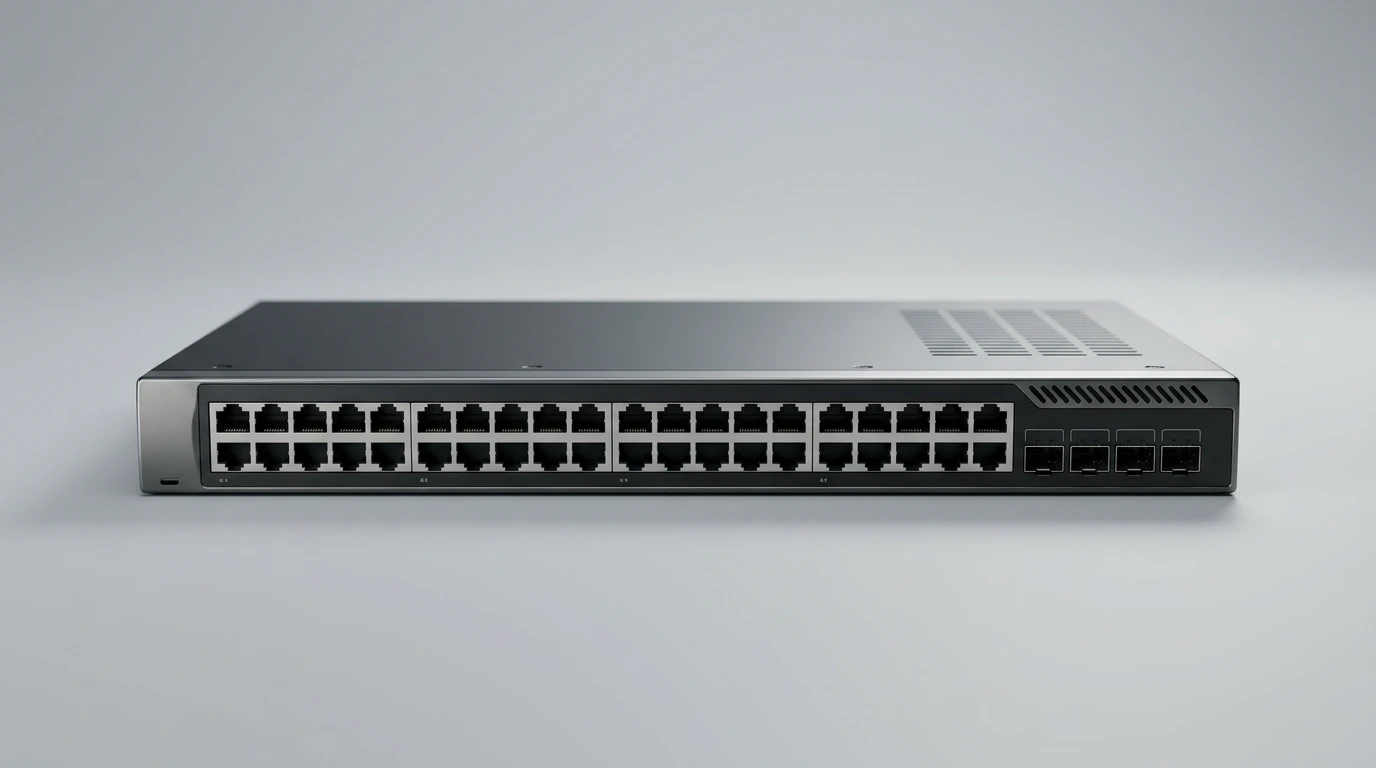
To resolve this, businesses must adopt scalable enterprise networking solutions. This involves deploying modular hardware and flexible software architectures that can expand seamlessly as your workforce and data requirements grow. By investing in high-capacity routers, switches, and cloud-ready infrastructure from the beginning, your network will possess the bandwidth necessary to support future technologies without requiring a complete system replacement.
Mistake 2: Overlooking Comprehensive Cybersecurity Systems
As businesses in Saudi Arabia digitize their operations, they become prime targets for cyber threats. A frequent mistake is relying on basic, consumer-grade security measures to protect sensitive corporate data. Firewalls and standard antivirus software are insufficient against sophisticated cyber attacks, ransomware, and unauthorized data breaches.
The Fix: Deploy Advanced Cybersecurity Infrastructure
Organizations must integrate comprehensive cybersecurity systems directly into their networking infrastructure. This includes implementing end-to-end encryption, intrusion detection and prevention systems (IDPS), and zero-trust network architectures. By continuously monitoring network traffic and restricting access based on strict verification protocols, businesses can safeguard their critical assets and ensure compliance with national data protection regulations.
Mistake 3: Relying on Outdated Communication Tools
Effective communication is the lifeblood of any successful enterprise. Yet, many organizations continue to rely on legacy telephony systems and outdated meeting software. These older systems are often unreliable, difficult to maintain, and lack the integration capabilities required by modern, mobile workforces. This leads to dropped calls, poor audio quality, and disjointed team collaboration.
The Fix: Upgrade to IP Telephony and Video Conferencing
The solution is to transition to IP telephony and state-of-the-art video conferencing solutions. Voice over Internet Protocol (VoIP) systems route communications through your secure data network, providing superior audio clarity and significant cost savings. Furthermore, integrating high-definition video conferencing ensures that remote teams and international partners can collaborate efficiently, maintaining the strong emotional and professional bonds necessary for successful business outcomes.
Mistake 4: Neglecting Structured Cabling Infrastructure
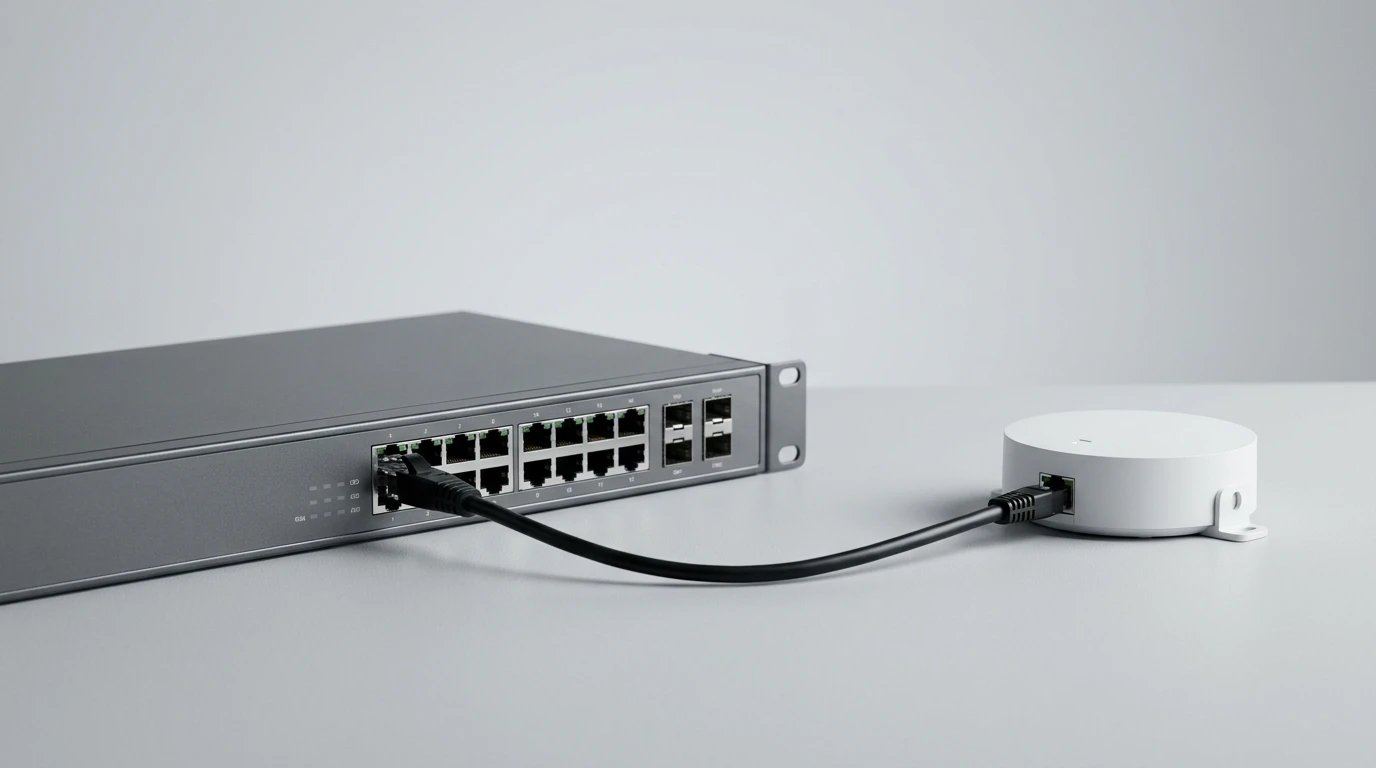
Behind every wireless access point and server rack is a physical network of cables. A surprisingly common mistake is the haphazard installation of these cables, leading to a tangled, unmanageable mess. Poor cabling causes signal interference, increases the risk of physical damage, and makes troubleshooting network outages a slow and frustrating process.
The Fix: Invest in Professional Structured Cabling
A high-performance network requires a structured cabling infrastructure. This standardized approach to cabling organizes and secures all physical connections, ensuring optimal performance and durability. Professional structured cabling not only maximizes data transmission speeds but also simplifies future hardware upgrades and routine maintenance, thereby minimizing costly downtime.
Mistake 5: Failing to Integrate Smart Building Technologies
Modern corporate facilities in Saudi Arabia are increasingly complex, yet many businesses manage their IT networks and building operations as completely separate entities. Failing to integrate these systems results in high energy costs, inefficient facility management, and a disjointed user experience for employees and clients.
The Fix: Adopt Unified Smart Building Technologies
By merging network infrastructure with smart building technologies, businesses can achieve unprecedented efficiency. This involves connecting HVAC, lighting, security cameras, and access control systems to a centralized, intelligent network. This integration allows for automated environmental controls, real-time energy monitoring, and enhanced physical security, ultimately creating a safer and more productive workspace.
Frequently Asked Questions
-
What is the most important factor when upgrading a corporate network?
Scalability is the most critical factor. Your network must be designed to accommodate future growth, advanced applications, and increasing data loads without requiring complete replacements of core infrastructure.
-
How does structured cabling improve network performance?
Structured cabling minimizes signal interference and data loss by using standardized, high-quality materials and organized installation methods. This ensures consistent, high-speed data transmission across the entire corporate facility. Learn more about our cabling and networking solutions.
-
Why is IP telephony better than traditional landlines for businesses?
IP telephony utilizes your existing internet connection to route calls, which significantly reduces communication costs. It also offers advanced features such as video integration, call routing, and mobile accessibility that legacy systems cannot support. Explore how cloud IP telephony compares to on-premise systems for your business.
-
How can businesses in Saudi Arabia ensure their network is secure?
Businesses must deploy multi-layered cybersecurity systems, including next-generation firewalls, zero-trust architectures, and continuous network monitoring, to protect against both external and internal digital threats.
-
Do smart building technologies require a specialized network?
Yes. Smart building devices generate continuous data streams that require a highly reliable, high-bandwidth network to function properly. Integrating these devices into a unified enterprise network ensures seamless operation and centralized management.
Building a Future-Proof Network in Saudi Arabia
Establishing a reliable, high-performance technology infrastructure is not merely an IT requirement; it is a fundamental business imperative. By avoiding these common networking mistakes and implementing scalable, secure solutions, organizations across Saudi Arabia can ensure they remain competitive and resilient.
Modern businesses require technology that empowers their teams and protects their assets. We encourage you to audit your current communication and technology systems, identify areas of vulnerability, and partner with industry experts to deliver the innovative and reliable solutions your organization deserves.