Shopping Cart



Optimizing WiFi Design for Smart Buildings and Villas
Learn how to optimize WiFi design for smart buildings and luxury villas with enterprise networking, structured cabling, VLAN security, and seamless wireless coverage.
By Blue Edge Team | May 21, 2026
Optimizing WiFi Design for Smart Buildings and Villas
Modern smart buildings and luxury villas require secure, flexible, and high-performance communication systems. A basic internet connection is no longer sufficient. From automated lighting and climate control to high-definition video conferencing and advanced security cameras, every intelligent device depends on a robust wireless network.
When you integrate enterprise networking principles into residential and commercial spaces, you ensure optimal performance and durability. A poorly designed network leads to dropped connections, slow response times, and vulnerable security systems. To empower your daily operations and personal life, you must implement a meticulously planned WiFi architecture.
The Foundation of Smart Infrastructure
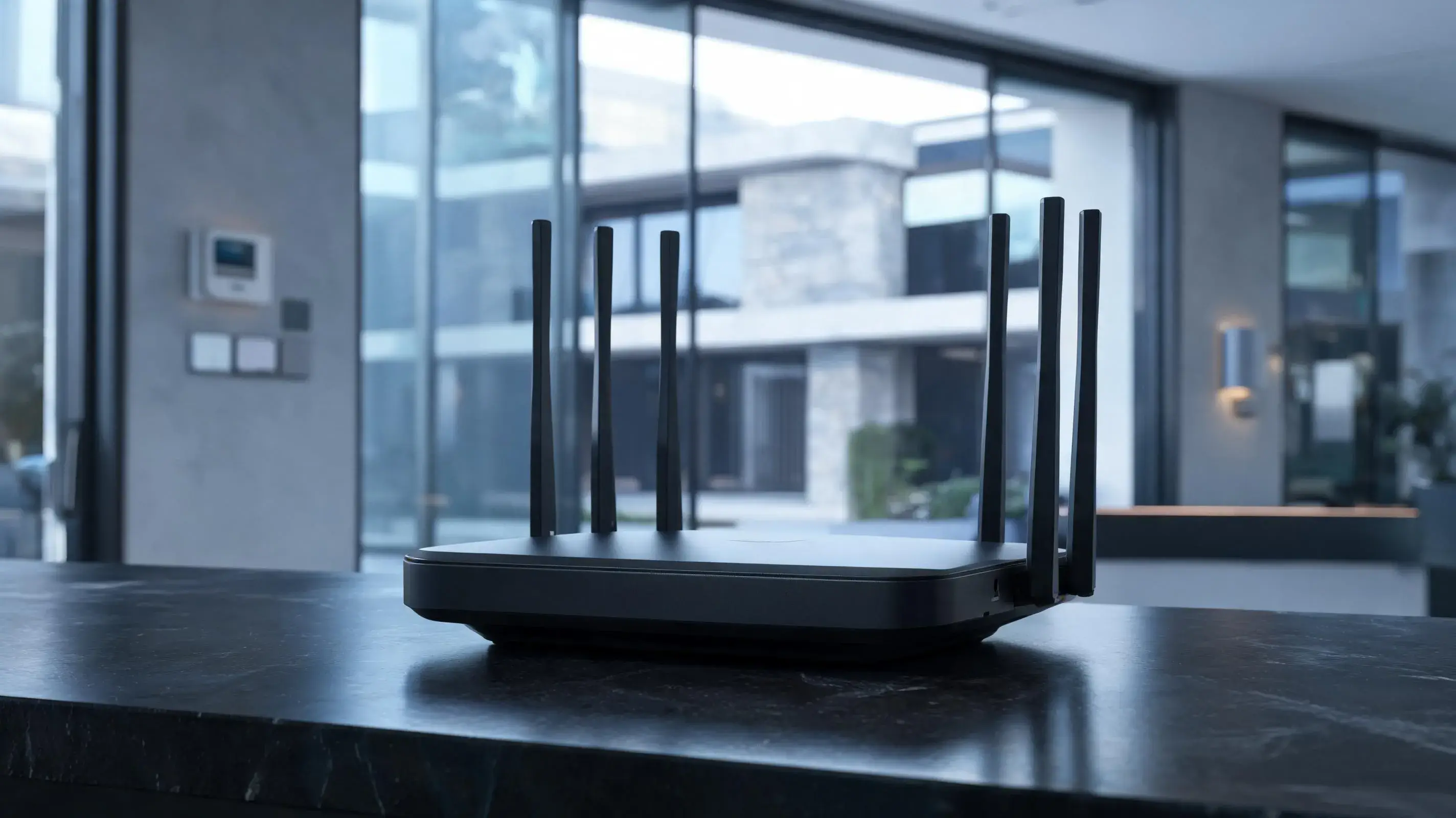
Standard routers are designed for basic web browsing and simple media streaming. They cannot handle the intense, continuous data requests generated by a fully integrated smart environment.
Why Standard WiFi Fails in Smart Spaces:
- Device Overload: A typical smart villa contains dozens of connected devices. Standard routers simply lack the processing power to handle this concurrent traffic.
- Limited Coverage: Thick walls, concrete floors, and metal structural elements easily block weak WiFi signals.
- Lack of Prioritization: Basic networks cannot prioritize critical traffic, such as security cameras or VoIP calls, over less important data like background updates.
Core Principles of Enterprise-Grade WiFi:
- Scalability: The network must seamlessly accommodate new devices as your technology needs grow.
- Reliability: You require a system that maintains high availability with zero downtime.
- Seamless Roaming: Devices must transition smoothly between different access points without dropping the connection.
Key Components of Optimal WiFi Design
To deliver cutting-edge communication and technology solutions, a structured approach to WiFi deployment is essential.
Strategic Access Point Placement
Proper placement of wireless Access Points (APs) dictates the success of your network.
- Perform a Predictive Site Survey: Analyze the floor plan and building materials to determine the exact number and location of APs needed to eliminate dead zones.
- Account for Interference: Keep APs away from major appliances, mirrors, and HVAC ducts that disrupt RF signals.
- Optimize for High-Density Areas: Install high-capacity APs in living rooms, boardrooms, and media centers where device concentration is highest.
Structured Cabling Infrastructure
Wireless networks rely heavily on hardwired connections.
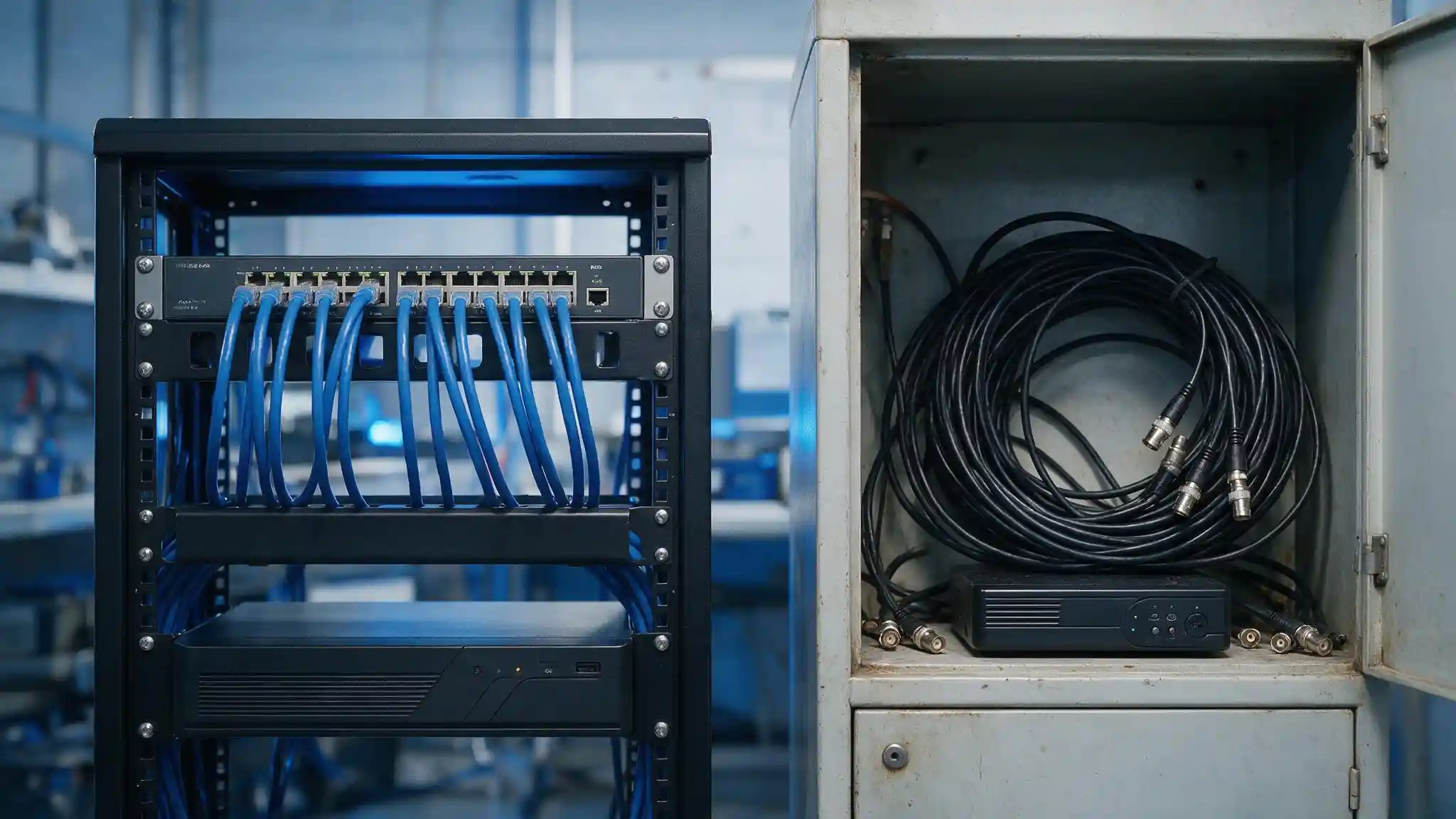
- Hardwire Stationary Devices: Televisions, desktop computers, and smart home hubs should be connected via Ethernet to free up wireless bandwidth.
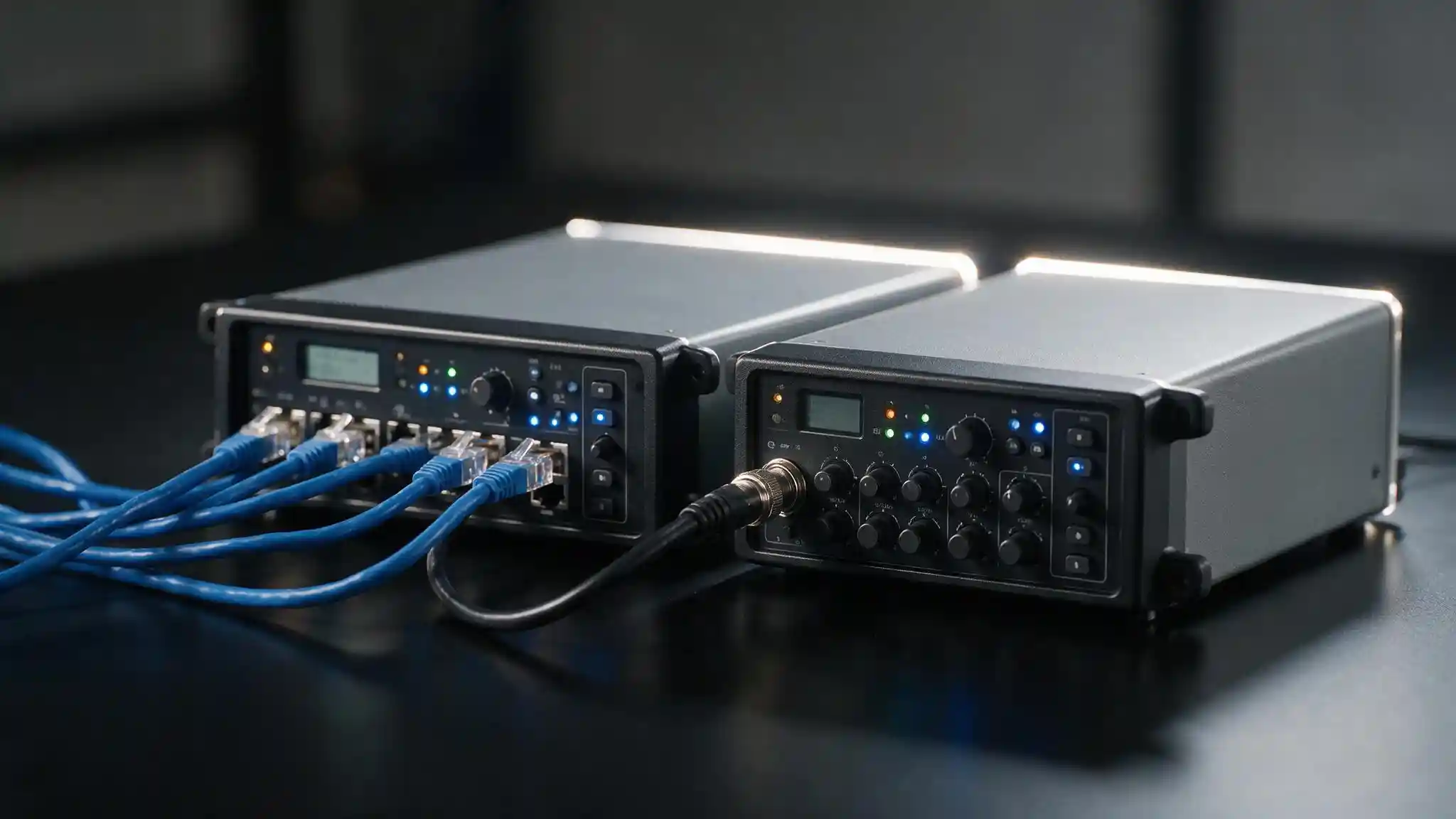
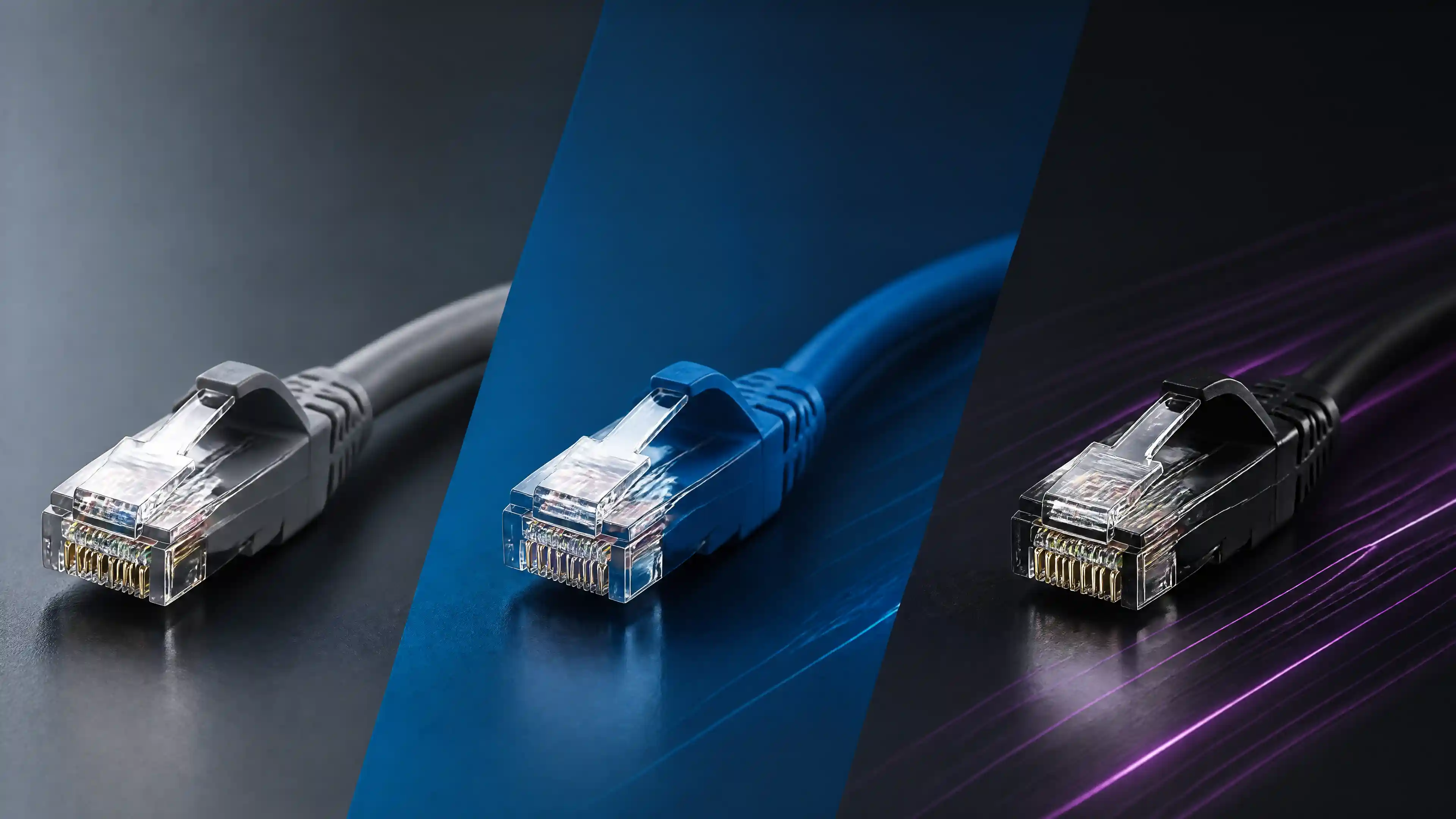
- Use High-Quality Cabling: Deploy Cat6 or Cat6a cables to support gigabit speeds and Power over Ethernet (PoE), which supplies both data and power to your APs.
- Centralize the Network Rack: House all switches, routers, and controllers in a climate-controlled, centralized IT rack for easy maintenance and optimal performance.
Security and Network Segregation
Modern businesses and smart homes require comprehensive cybersecurity systems.
- Create Virtual Local Area Networks (VLANs): Separate your network into distinct segments. Keep sensitive personal data on a different network than IoT devices and guest users.
- Implement Advanced Encryption: Utilize WPA3 encryption protocols to protect your data from unauthorized access.
- Monitor Network Health: Use centralized management software to actively monitor traffic, detect anomalies, and deploy firmware updates automatically.
Frequently Asked Questions
-
What is the difference between standard and smart villa WiFi?
Standard WiFi relies on a single router attempting to cover an entire space, which often leads to dead zones. Smart villa WiFi utilizes an enterprise-grade system of centralized controllers and multiple distributed access points to guarantee seamless, high-speed coverage everywhere.
-
How many access points do I need for my smart building?
The exact number depends entirely on the square footage, building layout, and construction materials. A professional site survey and heat map analysis are required to determine the precise quantity and placement of access points.
-
What is network segregation in smart homes?
Network segregation involves dividing your main network into smaller, isolated sub-networks (VLANs). This ensures that vulnerable smart home devices (like smart bulbs or thermostats) cannot be used as a gateway by hackers to access your personal computers or sensitive data.
-
How do building materials affect WiFi signals?
Materials like concrete, brick, steel, and energy-efficient glass heavily absorb or reflect wireless signals. WiFi design must account for these barriers by placing access points strategically to bypass or penetrate these materials effectively.
-
Can I upgrade my existing WiFi to support smart devices?
Yes. You can upgrade your infrastructure by installing commercial-grade routers, PoE switches, and dedicated access points. Hardwiring existing stationary devices will also immediately improve the wireless capacity for your mobile smart devices.
Empowering Your Space with Reliable Connectivity
The richest source of efficiency and comfort in a smart building is a network that functions invisibly and flawlessly. By prioritizing structured cabling infrastructure, strategic access point deployment, and enterprise-grade security, you create an environment where technology serves you without interruption.
We encourage you to audit your current network architecture. Implement these precise engineering standards to ensure your smart building or villa delivers the high-performance communication and technology solutions you expect.