Shopping Cart



Why Smart Buildings Fail After Deployment
Discover why smart buildings fail after deployment and how to fix integration, security, and scalability issues for long-term performance.
By Blue Edge Team | May 07, 2026

Why Smart Buildings Fail After Deployment
The implementation of smart building technology promises unparalleled efficiency, enhanced security, and optimized operational costs. Organizations invest heavily in interconnected systems, expecting an immediate transformation in how their facilities operate. However, a significant gap exists between the initial deployment of these technologies and their long-term success. Many smart buildings fail to deliver on their foundational promises months or years after the initial launch, resulting in frustrated stakeholders and wasted capital.
Understanding the root causes of these failures is essential for business leaders and facility managers. The breakdown rarely occurs due to a single catastrophic hardware malfunction. Instead, the degradation of smart building efficacy is typically a gradual process fueled by strategic oversights, poor integration, and a lack of ongoing support. By identifying these hidden pitfalls, organizations can protect their investments and ensure their facilities remain truly intelligent over their entire lifecycle.
This comprehensive guide explores the specific reasons why smart buildings fail after deployment. We will examine the critical technical and operational blind spots that organizations frequently overlook. Furthermore, we will provide actionable strategies to ensure your technological infrastructure remains secure, flexible, and high-performing well into the future.
The Disconnect in System Integration
One of the most profound reasons smart buildings fail is the lack of holistic system integration. Modern businesses require secure, flexible, and high-performance communication systems. Yet, many organizations deploy separate solutions for lighting, HVAC (Heating, Ventilation, and Air Conditioning), physical security, and IT infrastructure.
When these systems operate in isolated silos, the building cannot function as a unified, intelligent entity.
The Consequences of Siloed Systems
Data Fragmentation: Facility managers are forced to monitor multiple, disconnected dashboards, making it impossible to gain a comprehensive understanding of building performance.
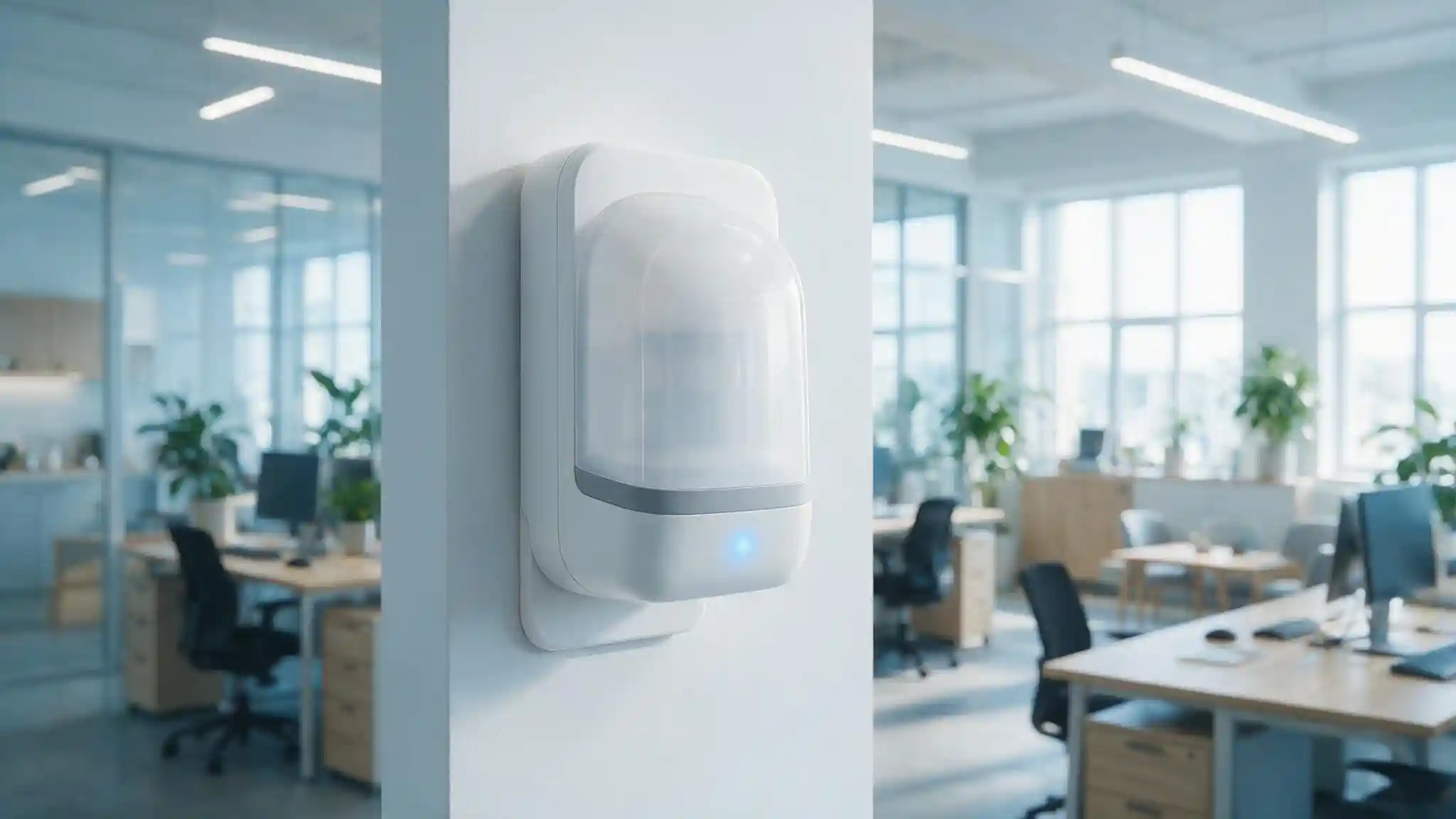
Operational Inefficiencies: An HVAC system that cannot communicate with occupancy sensors will continue heating or cooling empty rooms, directly negating the energy-saving benefits of the technology.
Increased Maintenance Complexity: Troubleshooting becomes a convoluted process when technicians must navigate competing software ecosystems that refuse to share diagnostic data.
To prevent this, organizations must prioritize open protocols and interoperability during the procurement phase. Partnering with world-leading brands that design hardware and software to communicate across standardized frameworks is non-negotiable for long-term success. Explore our range of Akuvox and Akubela solutions, engineered for seamless integration across smart building environments.
Insufficient End-User Training and Adoption
Technology is only as effective as the people who operate it. A frequent failure point in smart building deployment is the assumption that advanced systems are entirely self-sufficient. While automation handles routine tasks, human oversight remains critical.
When facility management teams do not receive adequate training on new centralized control platforms, they often revert to manual overrides. This behavioral regression immediately neutralizes the predictive capabilities of the smart building network.
Steps to Ensure User Adoption
Comprehensive Training Programs: Implement mandatory, hands-on training sessions for all operators before the system goes live.
Accessible Documentation: Provide clear, structured user manuals and digital knowledge bases that staff can reference during their daily routines.
Continuous Education: As software updates introduce new features, ensure that your team receives supplemental training to maximize the utility of these advancements.
We believe that empowering your team with the right knowledge is just as critical as delivering cutting-edge communication and technology solutions. Our IT technical consultations and IT installation and configuration services are designed to support your team every step of the way.
Neglecting Ongoing Maintenance and Software Updates
A smart building is not a static physical asset; it is a dynamic IT environment. Treating digital infrastructure like traditional building materials is a guaranteed path to failure. Just as an enterprise network requires continuous patching, smart building sensors, controllers, and centralized servers require rigorous, ongoing maintenance.
The Reality of Hardware Degradation
Physical sensors are subjected to environmental stress. Dust, moisture, and temperature fluctuations can compromise the accuracy of occupancy and climate sensors. If a sensor feeds incorrect data into the central management system, the automated responses will be inherently flawed.
The Necessity of Firmware Updates
Manufacturers frequently release firmware updates to patch security vulnerabilities, improve processing efficiency, and resolve operational bugs. Organizations that fail to implement a structured patch management protocol leave their building management systems exposed to significant performance degradation. Regular audits and proactive maintenance schedules must be codified into the facility's standard operating procedures. Solutions like NinjaOne Patch Management can automate and streamline this process, ensuring your systems are always up to date. You can also explore NinjaOne Remote Management for continuous oversight of your infrastructure without the need for on-site intervention.
Overlooking Cybersecurity Infrastructure
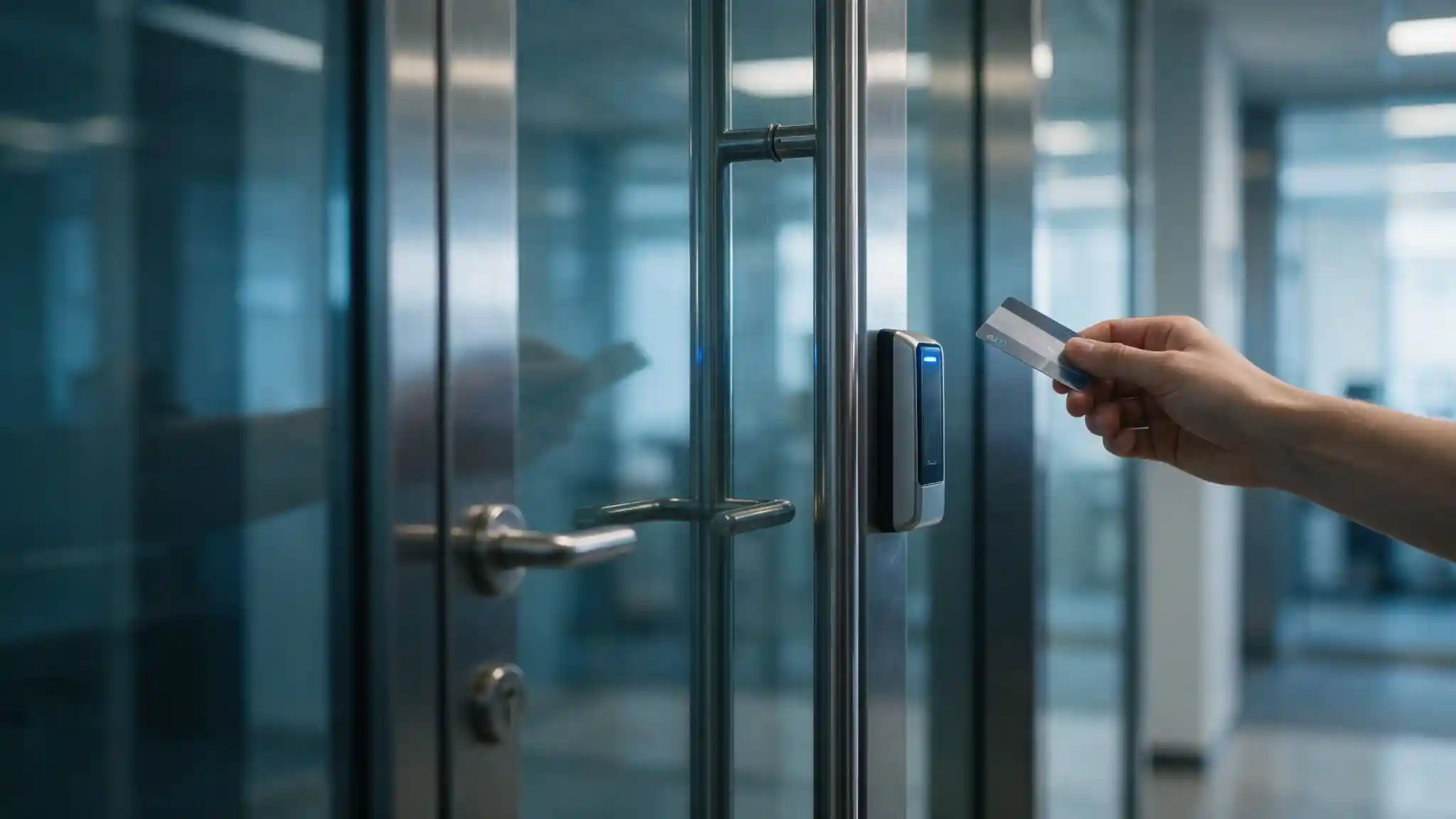
The proliferation of Internet of Things (IoT) devices in smart buildings exponentially expands an organization's digital attack surface. Every connected thermostat, badge reader, and IP camera represents a potential entry point for malicious actors.
Many smart buildings fail because their operational technology (OT) networks are not secured with the same rigor as their traditional IT environments. When a breach occurs, the consequences extend beyond data theft; attackers can manipulate physical access controls, disable security systems, or disrupt critical climate control infrastructure. Learn more about the steps to secure IoT devices in your business environment and understand the top cybersecurity threats facing organizations today.
Mandatory Cybersecurity Measures
Network Segmentation: Smart building devices must operate on isolated network segments, preventing lateral movement if a specific endpoint is compromised.
Robust Authentication: Implement strict access controls, requiring multi-factor authentication for anyone attempting to modify building management configurations.
Continuous Threat Monitoring: Deploy advanced cybersecurity systems that actively scan the network for anomalous behavior, ensuring rapid response to potential intrusions. Consider solutions like KnowBe4 to strengthen your organization's human firewall through security awareness training.
Every product integrated into a smart facility must be tested and proven to meet the highest industry standards for digital security. Our cybersecurity solutions for businesses provide the enterprise-grade protection your facility demands.
The Inability to Scale and Adapt
Technological advancements occur at a relentless pace. A smart building designed strictly for the needs of today will quickly become obsolete tomorrow. Failure often stems from a lack of foresight regarding structured cabling infrastructure and network bandwidth.
As businesses grow, they deploy higher-density Wi-Fi access points, advanced video conferencing solutions, and increasingly sophisticated IoT arrays. If the foundational cabling and network switches cannot handle this increased data load, the entire system will suffer from high latency and frequent disconnections.
Organizations must invest in scalable, high-performance infrastructure from day one. Utilizing high-capacity fiber optics and modular hardware frameworks ensures that the building can gracefully adapt to the communication and technology demands of the next decade. Our cabling and networking solutions are designed to future-proof your facility's infrastructure. Discover more about how Wi-Fi 7 adoption is reshaping enterprise networking requirements for 2026 and beyond.
Frequently Asked Questions
-
What is the most common cause of smart building failure?
The most common cause of failure is poor system integration. When disparate technologies such as HVAC, smart intercom, and lighting operate in silos rather than communicating through a centralized platform, the building cannot optimize energy use or provide actionable data, defeating the primary purpose of the investment.
-
How often should smart building systems be updated?
Smart building systems require continuous, proactive updates. Software and firmware patches should be applied immediately upon release by the manufacturer to ensure cybersecurity integrity and operational efficiency. Physical hardware sensors should be audited and calibrated at least bi-annually. Tools like NinjaOne Endpoint Management can help automate and track these update cycles across all connected devices.
-
Can existing buildings be retrofitted to prevent these failures?
Yes, existing buildings can be retrofitted successfully. The key to a successful retrofit is conducting a comprehensive audit of existing infrastructure, upgrading structured cabling where necessary, and selecting interoperable, open-protocol hardware that can integrate smoothly with legacy systems. Our team offers expert IT technical consultations to guide you through the retrofit process from start to finish.
-
What role does cybersecurity play in smart building longevity?
Cybersecurity is the foundation of smart building longevity. Because these buildings rely on hundreds or thousands of connected IoT devices, they represent massive targets for cyberattacks. Without enterprise-grade cybersecurity systems, a single compromised sensor can lead to total system failure or severe operational disruption. Read our guide on how to secure IoT devices in business environments for actionable best practices.
-
How can facility managers ensure user adoption of new systems?
Facility managers can ensure adoption by involving operational staff early in the deployment process. Providing comprehensive, hands-on training, establishing clear standard operating procedures, and creating an open feedback loop for technicians will prevent staff from bypassing automated systems in favor of manual overrides. Our technical support services are available to assist your team whenever challenges arise.
Securing the Future of Your Facility
The failure of a smart building is rarely an unavoidable accident. It is almost always the result of fragmented integration, insufficient training, neglected maintenance, poor cybersecurity, or a lack of scalable infrastructure. By understanding these critical vulnerabilities, organizations can take proactive steps to safeguard their facilities.
To ensure your investment delivers sustained value, you must view your building as a dynamic, interconnected network. Prioritize rigorous maintenance protocols, empower your teams with thorough training, and partner with technology providers who understand the intricate complexities of enterprise networking. Explore our full suite of services and products designed to support the complete lifecycle of your smart building investment.
By executing these strategies with precision, you can guarantee that your smart building remains a secure, high-performance environment that actively supports your organization's long-term operational goals. Contact us today to learn how B-EdgeTech can help you build smarter, safer, and more resilient facilities.