Shopping Cart


- Articles
- Networking
- Complete Office Network Setup Guide in Saudi Arabia 2026
Complete Office Network Setup Guide in Saudi Arabia 2026
Learn how to set up a complete office network in Saudi Arabia in 2026 including routers, switches, Wi-Fi, cybersecurity, and structured cabling.
By Blue Edge Team | Published May 01, 2026 | Updated Sep 23, 2026 | 7 min read
Establishing a reliable and secure office network is a critical foundation for modern enterprises operating in the Kingdom of Saudi Arabia. As businesses align with the technological advancements driven by Vision 2030, the demand for high-performance communication systems continues to grow. A robust network infrastructure guarantees seamless internal operations, secures sensitive corporate data, and empowers your workforce to operate efficiently.
Navigating the complexities of network design, hardware selection, and cybersecurity compliance requires a strategic approach. The technological landscape in 2026 offers sophisticated solutions, from advanced enterprise networking to smart building integrations. Understanding how to deploy these technologies correctly will determine your operational success and long-term scalability.
This comprehensive guide details the essential steps and requirements for setting up an office network in Saudi Arabia. You will learn how to select the right components, implement structured cabling, integrate secure cybersecurity systems, and maintain compliance with local data regulations. By following these structured guidelines, your organization will be equipped to build a network that supports your current needs and anticipates future technological growth.
Understanding the 2026 Technological Landscape in Saudi Arabia
The corporate environment in Saudi Arabia has transformed significantly, prioritizing digital integration and secure communication frameworks. Modern businesses require secure, flexible, and high-performance communication systems to remain competitive.
In 2026, the focus has shifted toward integrating intelligent systems directly into the physical workspace. This includes unified communications, artificial intelligence-driven network management, and advanced IP telephony. Your office network must handle massive data loads with minimal latency while remaining adaptable to new smart building technologies. Planning your network with these factors in mind ensures that your infrastructure will not become obsolete as your company expands.
Core Components of an Enterprise Office Network
Building a reliable network requires carefully selecting hardware that meets the highest industry standards. Every product you deploy must be tested and proven to ensure optimal performance and durability.
Advanced Routers and Switches
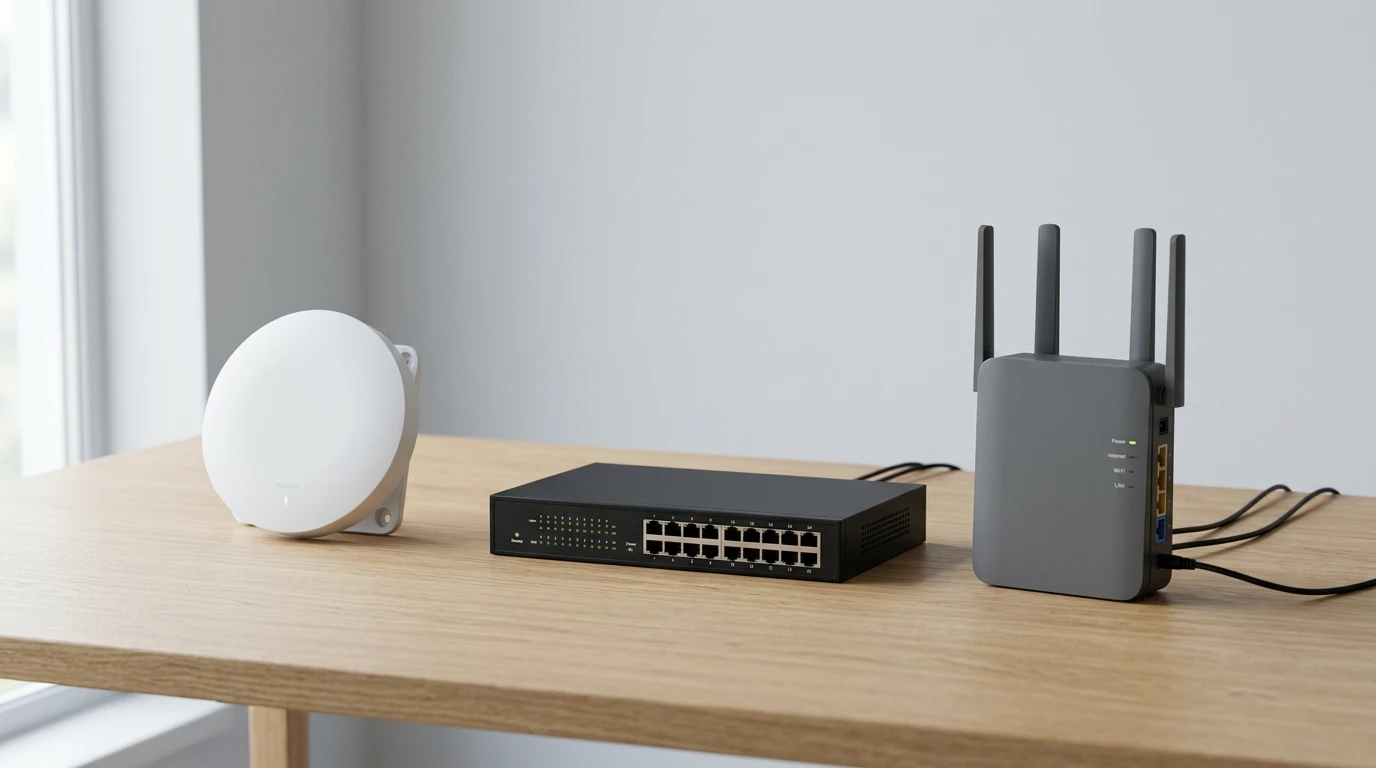
Routers act as the gateway between your internal office network and the external internet. For enterprise setups, you require high-capacity routers that support advanced traffic routing, load balancing, and failover capabilities. This ensures your connection remains active even if one internet service provider experiences an outage.
Switches connect all your internal devices—such as computers, printers, and IP phones—allowing them to communicate seamlessly. Power over Ethernet (PoE) switches are essential for modern offices, as they deliver both data and electrical power through a single cable to devices like wireless access points and security cameras. Explore our full range of networking products to find the right solution for your office.
Wireless Access Points (WAPs)
Employees expect fast and uninterrupted Wi-Fi coverage across the entire office workspace. Deploying enterprise-grade Wireless Access Points using the latest Wi-Fi standards (such as Wi-Fi 7) guarantees high-speed connectivity for a dense volume of mobile devices and laptops. Proper placement of these access points is critical to eliminate dead zones and prevent signal interference.
Structured Cabling Infrastructure
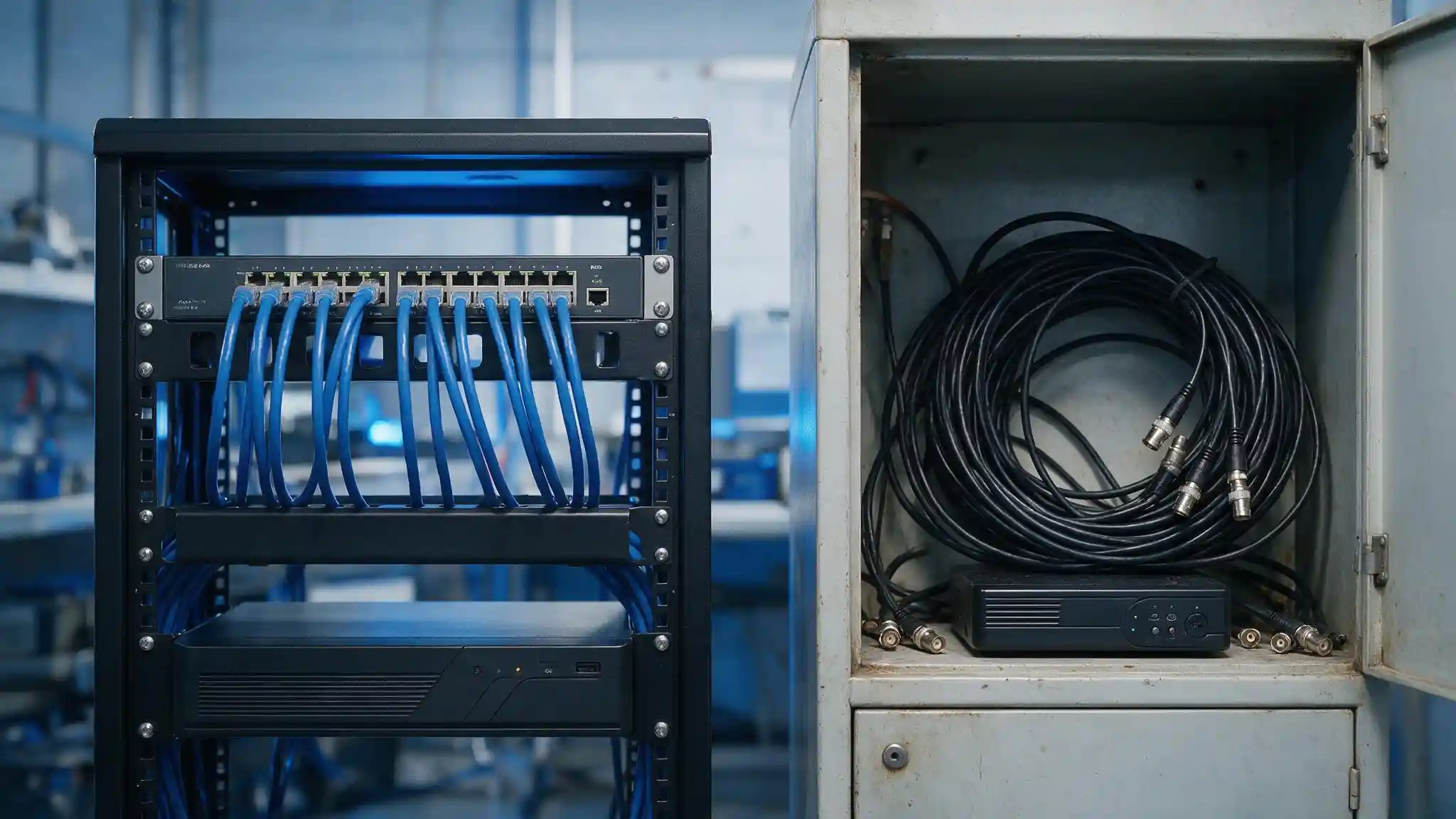
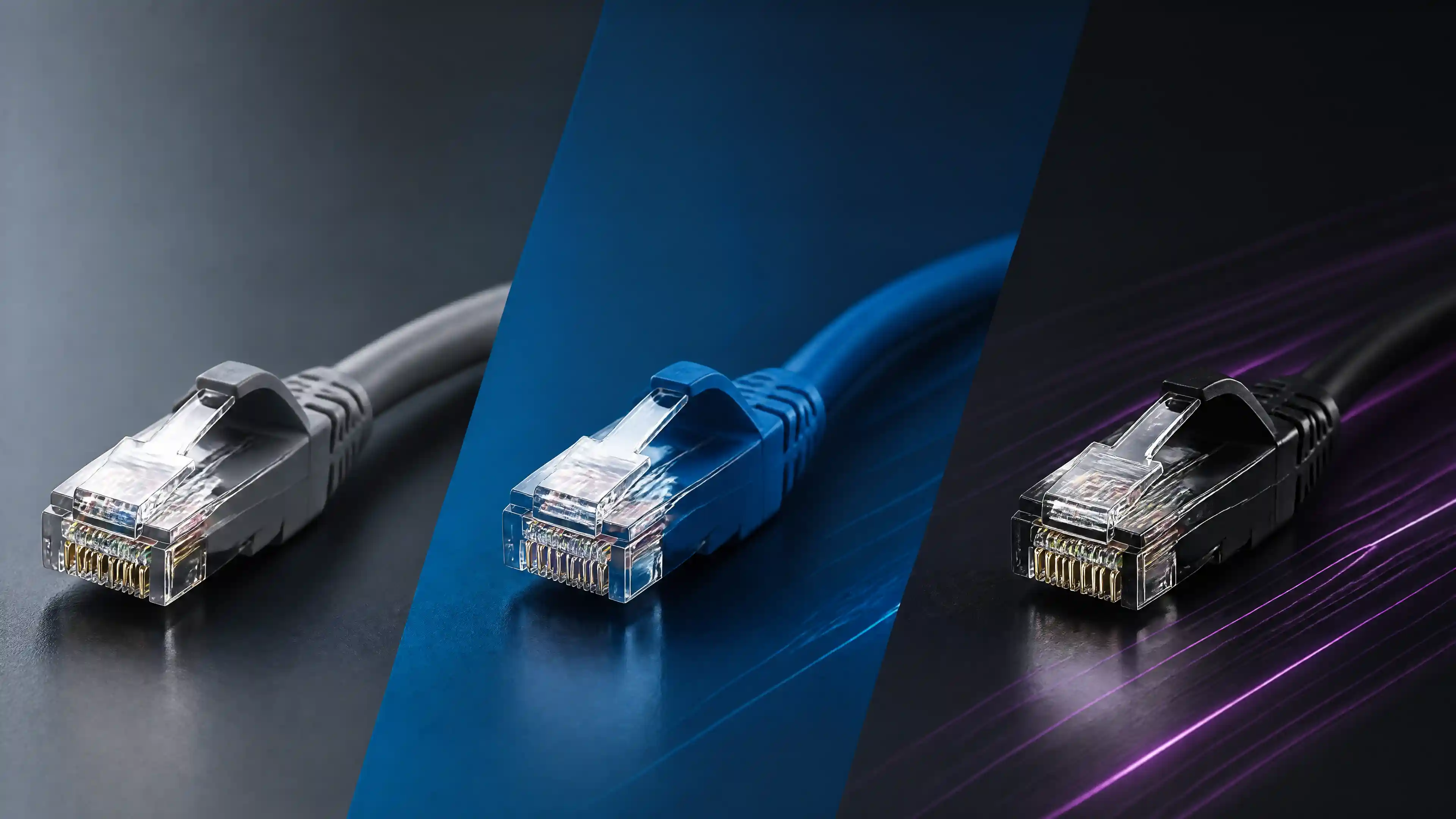
A physical network is only as strong as its cabling. Structured cabling infrastructure provides the organized system of wiring that supports all your data and voice communications. Utilizing high-quality fiber optic and CAT6A or CAT7 copper cables ensures maximum bandwidth capacity. A well-designed cabling system reduces maintenance costs, prevents downtime caused by tangled or degraded wires, and simplifies future hardware upgrades.
Integrating Smart Building and Communication Systems
An effective office network does more than provide internet access; it unifies your entire technological ecosystem. Blue Edge for Communication and Technology (BEC) empowers partners and clients across Saudi Arabia by delivering cutting-edge communication and technology solutions.
IP Telephony and Video Conferencing Solutions
Traditional phone lines are entirely obsolete in the modern enterprise. IP telephony routes voice communications over your data network, significantly reducing costs and enabling advanced call routing features.
Furthermore, high-definition video conferencing solutions require substantial network bandwidth. Your network must prioritize voice and video data packets to prevent lag or dropped calls during critical corporate meetings. Implementing Quality of Service (QoS) protocols on your network switches guarantees that communication tools receive the bandwidth they require. For businesses exploring their options, read our comparison of Cloud IP Telephony vs On-Premise Systems.
Smart Building Technologies
Offices in 2026 frequently integrate smart building technologies, including automated climate control, smart lighting, and biometric access control systems. These Internet of Things (IoT) devices depend entirely on your local network to function. Segmenting your network to separate IoT traffic from your core corporate data ensures that these smart devices do not consume essential bandwidth or introduce security vulnerabilities.
Cybersecurity Systems: Protecting Your Corporate Data
Implementing rigorous cybersecurity measures is non-negotiable for businesses operating in Saudi Arabia. The National Cybersecurity Authority (NCA) outlines strict guidelines that organizations must follow to protect digital assets.
Next-Generation Firewalls (NGFW)
A Next-Generation Firewall goes beyond traditional port blocking. It inspects the actual data packets entering and exiting your network, identifying malware, ransomware, and unauthorized intrusion attempts in real time. Deploying an NGFW at your network perimeter is your first line of defense against external cyber threats.
Virtual Private Networks (VPN) and Secure Remote Access
With hybrid work models remaining prevalent, your employees require secure access to corporate resources from outside the office. Implementing Enterprise VPN solutions encrypts all data transmitted between the remote worker and your internal servers. This ensures that sensitive company information remains confidential, even if an employee accesses the network from a public Wi-Fi connection. Learn more about securing your office network in Saudi Arabia.
Data Localization and Compliance
Saudi Arabian regulations mandate that certain types of sensitive corporate and consumer data must be stored locally within the Kingdom. Your network architecture must reflect these data localization requirements. Utilizing local data centers or on-premise servers for sensitive information, while leveraging secure cloud environments for less critical applications, maintains your compliance with local legal frameworks.
Planning and Installation Strategies
Executing a successful network setup requires meticulous planning and a phased installation approach.
Conducting a Site Survey
Before purchasing any equipment, conduct a comprehensive physical site survey of your office space. Identify the locations for employee workstations, conference rooms, and server closets. Evaluate the building's physical layout to determine the best pathways for your structured cabling infrastructure and the optimal mounting locations for wireless access points.
Designing for Scalability
Your network design must accommodate immediate needs while leaving room for future expansion. Calculate your expected bandwidth requirements and multiply that figure by at least fifty percent to account for future growth. Ensure your network switches have open ports available for new employees and that your server racks have physical space for additional hardware. For guidance on overcoming growth-related challenges, see our article on top IT infrastructure challenges in KSA.
Partnering with Technology Experts
Selecting the right technology partner is the most critical decision in your network setup process. You need a provider that supplies electronic devices and builds a strong foundation for your long-term success. Look for partners who collaborate with world-leading brands to deliver innovative and reliable solutions. A qualified partner will handle the complex configurations, ensure regulatory compliance, and provide ongoing technical support after the installation is complete. Our IT technical consultation services and IT installation and configuration teams are ready to help you get started.
Frequently Asked Questions
-
What is the average cost to set up an office network in Saudi Arabia?
The cost varies significantly based on the size of your office, the number of users, and the specific hardware required. Small offices might invest between SAR 15,000 to SAR 30,000 for basic routers, switches, and cabling. Medium to large enterprises integrating advanced cybersecurity systems, IP telephony, and smart building technologies can expect costs ranging from SAR 100,000 to over SAR 500,000. Consulting with an IT solutions provider for a customized quote based on a site survey is necessary for an accurate estimate.
-
Which cybersecurity regulations apply to Saudi office networks in 2026?
Businesses must comply with the frameworks established by the National Cybersecurity Authority (NCA), particularly the Essential Cybersecurity Controls (ECC). Additionally, organizations must adhere to the Personal Data Protection Law (PDPL), which regulates the collection, processing, and storage of personal data, strictly enforcing data localization for specific sensitive information types. Stay up to date with cybersecurity trends in Saudi Arabia for 2026.
-
How long does a complete office network installation take?
A basic network setup for a small office can be completed in one to two weeks. However, a comprehensive enterprise network setup—including structured cabling, hardware configuration, IP telephony integration, and cybersecurity testing—typically takes between four to eight weeks from the initial planning phase to final deployment.
-
Do I need a dedicated server room for my business network?
Yes, establishing a dedicated, secure, and climate-controlled server room (or telecom closet) is highly recommended. This centralized location houses your core switches, routers, firewalls, and on-premise servers. A dedicated space protects critical infrastructure from physical tampering, dust, and overheating, which are common causes of hardware failure. Our IT installation team can help you design and build a proper server room environment.
-
How can structured cabling improve my network performance?
Structured cabling provides a standardized architecture for your data and voice infrastructure, eliminating the chaotic wire tangles associated with point-to-point cabling. It ensures consistent bandwidth delivery, reduces signal interference, makes troubleshooting significantly faster, and easily accommodates system upgrades or office layout changes without requiring complete rewiring.
Securing Your Digital Future
Establishing an enterprise office network in Saudi Arabia demands precision, high-quality components, and a deep understanding of local compliance frameworks. The infrastructure you build today dictates your operational capabilities, security posture, and employee productivity for years to come.
By prioritizing robust structured cabling, advanced cybersecurity systems, and scalable hardware, you safeguard your business against disruptions while enabling seamless digital communication. We recommend conducting a professional site survey and consulting with certified network engineers to design an infrastructure tailored to your exact corporate requirements. Contact us today or request technical support to get started.
About Blue Edge
Blue Edge Company is a value-added technology distributor based in Dammam, Saudi Arabia, supplying interactive displays, smart building systems, networking infrastructure and IT security software to businesses and residential projects across the Kingdom, with installation and technical support.
Learn more about Blue Edge →Published 1 May 2026 • Last updated 23 September 2026 • This article is reviewed when standards, regulations or product guidance change.